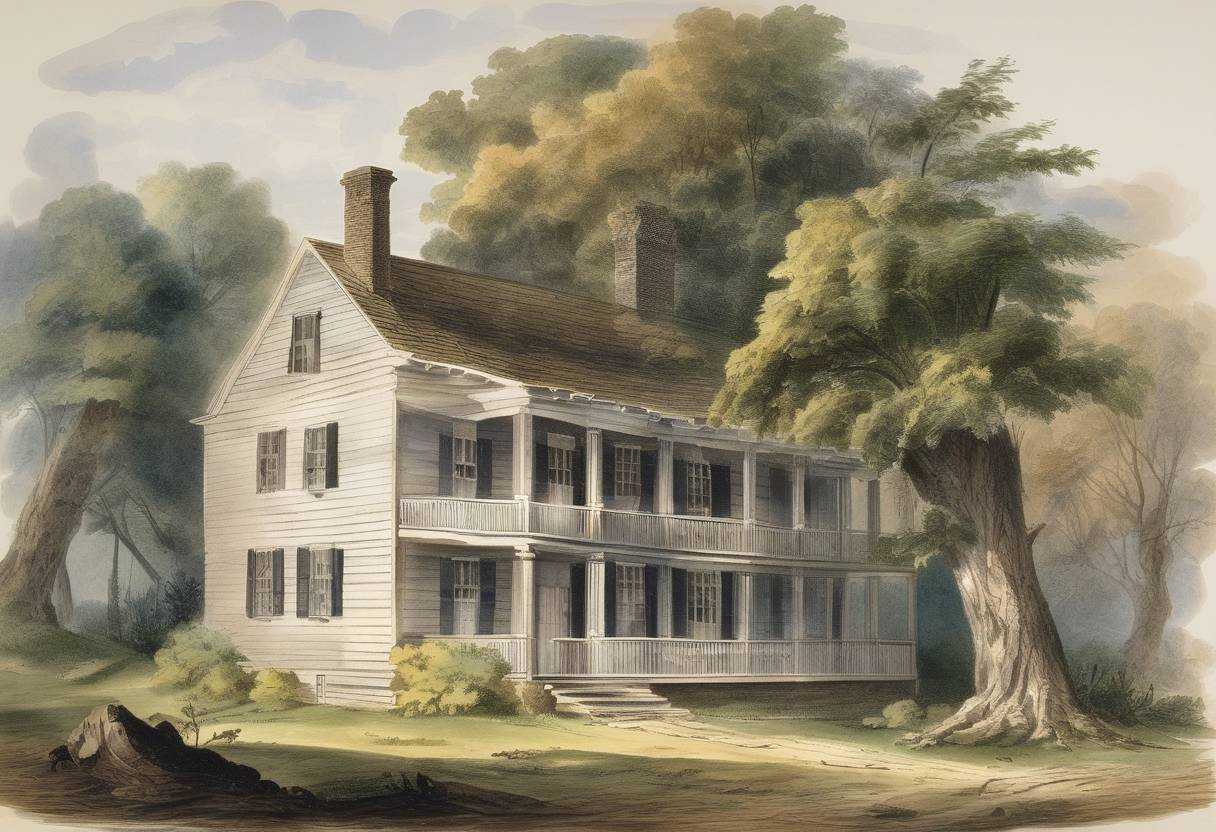
Publication of “Uncle Tom’s Cabin” - March 20, 1852
On March 20, 1852, Harriet Beecher Stowe’s novel Uncle Tom’s Cabin was published, marking a pivotal moment in American literature and the abolitionist movement. The book was initially serialized in the anti-slavery newspaper The National Era from June 1851 to April 1852 before being published as a complete novel by John P. Jewett and Company.
Context and Background
Harriet Beecher Stowe: Born into a prominent religious family, Stowe was deeply influenced by her father, Lyman Beecher, a well-known preacher, and her brother, Henry Ward Beecher, an outspoken abolitionist. Her exposure to the abolitionist movement and personal experiences, including living in Cincinnati, Ohio—a border city between free and slave states—shaped her views on slavery.
Antebellum America: The early 1850s were a period of intense national debate over slavery, exacerbated by the Fugitive Slave Act of 1850, which mandated that escaped slaves be returned to their owners and penalized those who aided their escape. This law heightened tensions between the North and South and galvanized abolitionist sentiment.
Key Themes and Impact
Plot and Themes: Uncle Tom’s Cabin tells the story of Uncle Tom, a long-suffering black slave, and his encounters with both cruel and kind slave owners. The novel humanizes slaves, depicting their suffering and resilience, and criticizes the institution of slavery and the moral failings of those who support it.
Cultural Impact: The novel became an instant bestseller, selling 300,000 copies in the United States in its first year and millions worldwide. It was translated into multiple languages and adapted into plays, further spreading its message.
Abolitionist Movement: Stowe’s work galvanized the abolitionist movement by bringing the realities of slavery to the forefront of public consciousness. It is often credited with helping to lay the groundwork for the Civil War by intensifying sectional conflict.
Aftermath and Legacy
Public Reaction: The book received mixed reactions. While it was celebrated in the North and among abolitionists, it was denounced in the South, where it was banned in some areas. Critics in the South argued that Stowe’s portrayal of slavery was exaggerated and inaccurate.
Historical Significance: Uncle Tom’s Cabin is considered one of the most influential books in American history. It played a crucial role in shaping public opinion about slavery and is often cited as a catalyst for the Civil War. President Abraham Lincoln reportedly referred to Stowe as “the little lady who made this big war,” highlighting the novel’s impact.
Enduring Legacy: The novel remains a significant cultural and historical artifact, studied for its literary merit and its role in American history. It continues to be a subject of analysis and discussion regarding its portrayal of race and its influence on American society.
In summary, the publication of Uncle Tom’s Cabin on March 20, 1852, was a landmark event that not only contributed to the abolitionist cause but also left a lasting legacy on American literature and history.