The Battle of Osan: July 5, 1950
1950 · Osan, South Korea
The Battle of Osan, the first engagement between American and North Korean forces during the Korean War, took place.
March 26, 2010
The South Korean warship ROKS Cheonan was sunk by a North Korean torpedo, killing 46 sailors.
Baengnyeong Island, South Korea | South Korean Navy
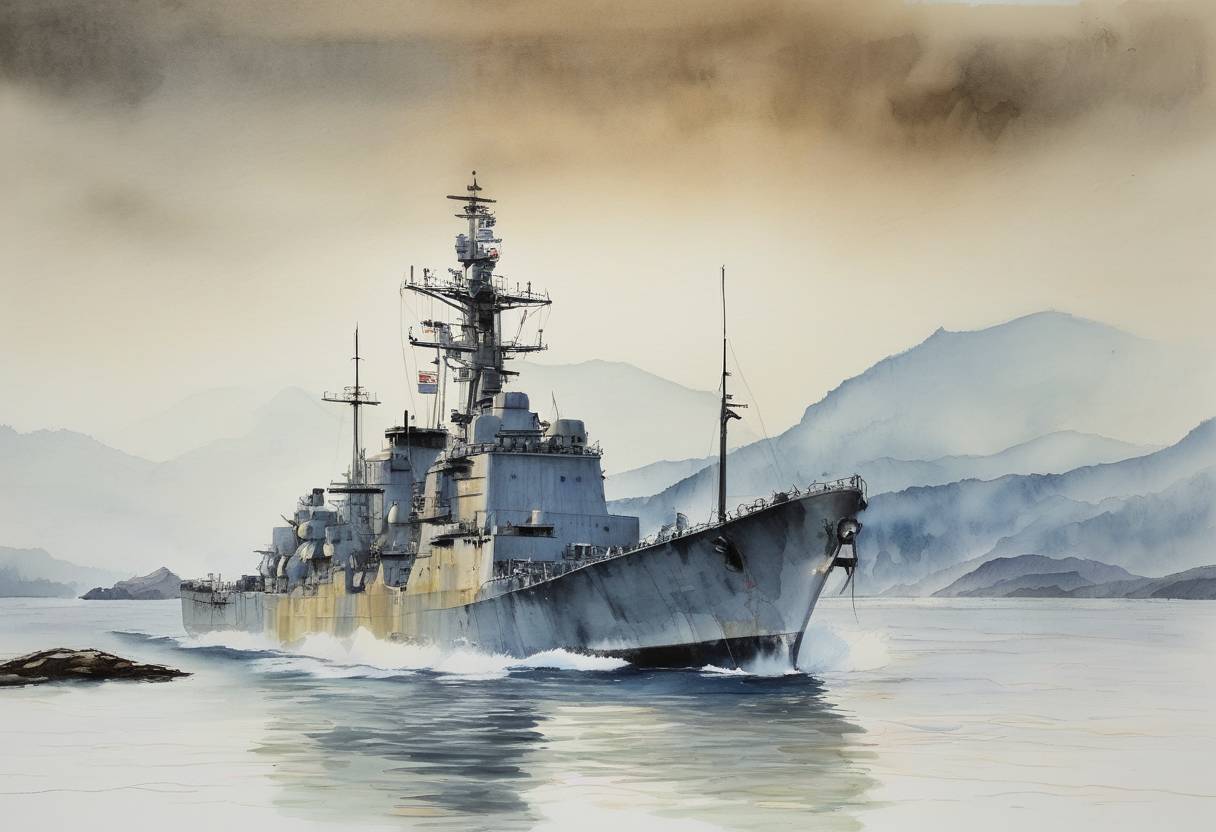
On March 26, 2010, the South Korean warship ROKS Cheonan was sunk near the disputed maritime border with North Korea, resulting in the tragic loss of 46 South Korean sailors. This incident significantly heightened tensions on the Korean Peninsula and drew international attention to the volatile relationship between North and South Korea.
The ROKS Cheonan was a Pohang-class corvette of the Republic of Korea Navy. It was conducting a routine patrol mission in the Yellow Sea, near the Baengnyeong Island, which is close to the Northern Limit Line (NLL) — a disputed maritime boundary between North and South Korea.
Following the incident, an international investigation was conducted, involving experts from South Korea, the United States, the United Kingdom, Australia, and Sweden. The investigation concluded that the warship was sunk by a torpedo fired by a North Korean submarine. Key findings included:
The sinking of the ROKS Cheonan exacerbated already strained inter-Korean relations and underscored the ongoing security challenges in the region. It highlighted the fragile nature of peace on the Korean Peninsula and the potential for military confrontations to escalate into broader conflicts. The incident also reinforced the importance of international diplomatic efforts to manage tensions and promote stability in Northeast Asia.
Source: www.bbc.com