Queen Elizabeth II Becomes Longest-Reigning Monarch
2015 · London, United Kingdom
Queen Elizabeth II became the longest-reigning monarch in British history, surpassing her great-great-grandmother, Queen Victoria.
February 6, 1952
Queen Elizabeth II ascended to the throne of the United Kingdom following the death of her father, King George VI.
Sandringham, United Kingdom | British Monarchy
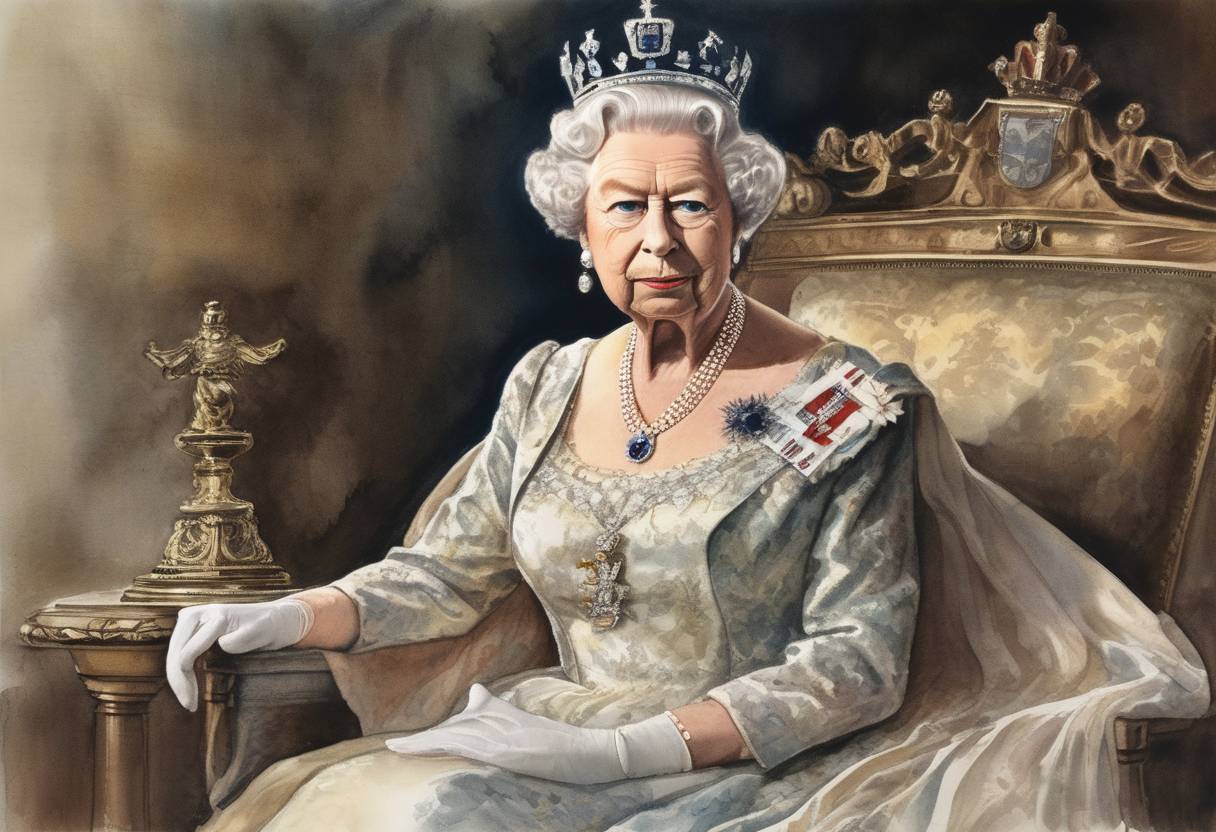
On February 6, 1952, Queen Elizabeth II ascended to the throne of the United Kingdom following the death of her father, King George VI. This marked the beginning of a new era for the British monarchy and the start of what would become the longest reign in British history.
King George VI’s Reign: King George VI became king unexpectedly in December 1936 after his brother, King Edward VIII, abdicated the throne to marry Wallis Simpson, an American divorcée. George VI’s reign was marked by World War II and the subsequent rebuilding of Britain.
Elizabeth’s Preparation: Elizabeth was the eldest daughter of King George VI and Queen Elizabeth (later known as the Queen Mother). From a young age, she was prepared for her future role as queen, receiving education in constitutional history and law.
Death of King George VI: King George VI passed away in his sleep at Sandringham House in Norfolk, England, due to complications from lung cancer. His death was unexpected, although he had been in poor health for some time.
Elizabeth’s Location: At the time of her father’s death, Princess Elizabeth was in Kenya on a royal tour with her husband, Prince Philip. She became queen while staying at the Treetops Hotel, a unique lodge built into the trees of the Aberdare National Park.
Immediate Succession: Upon her father’s death, Elizabeth immediately became queen, as the British monarchy follows the principle of instantaneous succession. She was informed of her father’s passing and her new role as queen by her husband.
Return to Britain: Queen Elizabeth II returned to Britain promptly, cutting short her tour. She was greeted by Prime Minister Winston Churchill and other officials upon her arrival.
Coronation: Elizabeth’s official coronation took place on June 2, 1953, at Westminster Abbey. The ceremony was notable for being the first British coronation to be televised, reaching a global audience and symbolizing a modernizing monarchy.
Historical Impact: Queen Elizabeth II’s reign saw significant changes in British society and the world, including the decolonization of Africa and the Caribbean, the evolution of the Commonwealth, and numerous advancements in technology and culture.
Legacy: As of her passing in 2022, Queen Elizabeth II was the longest-reigning monarch in British history, known for her dedication to duty, stability, and service.
Queen Elizabeth II’s ascension to the throne marked the beginning of a transformative period for the British monarchy, reflecting both continuity and change in a rapidly evolving world.
Source: www.britannica.com