Repeal of 'Don't Ask, Don't Tell' - September 19, 2011
2011 · Washington D.C., United States
The United States ends its 'Don't Ask, Don't Tell' policy, allowing gay men and women to serve openly in the military.
March 31, 2010
President Barack Obama announced plans to open up large areas of the U.S. East Coast to offshore oil and gas drilling.
Washington D.C., United States | U.S. Government
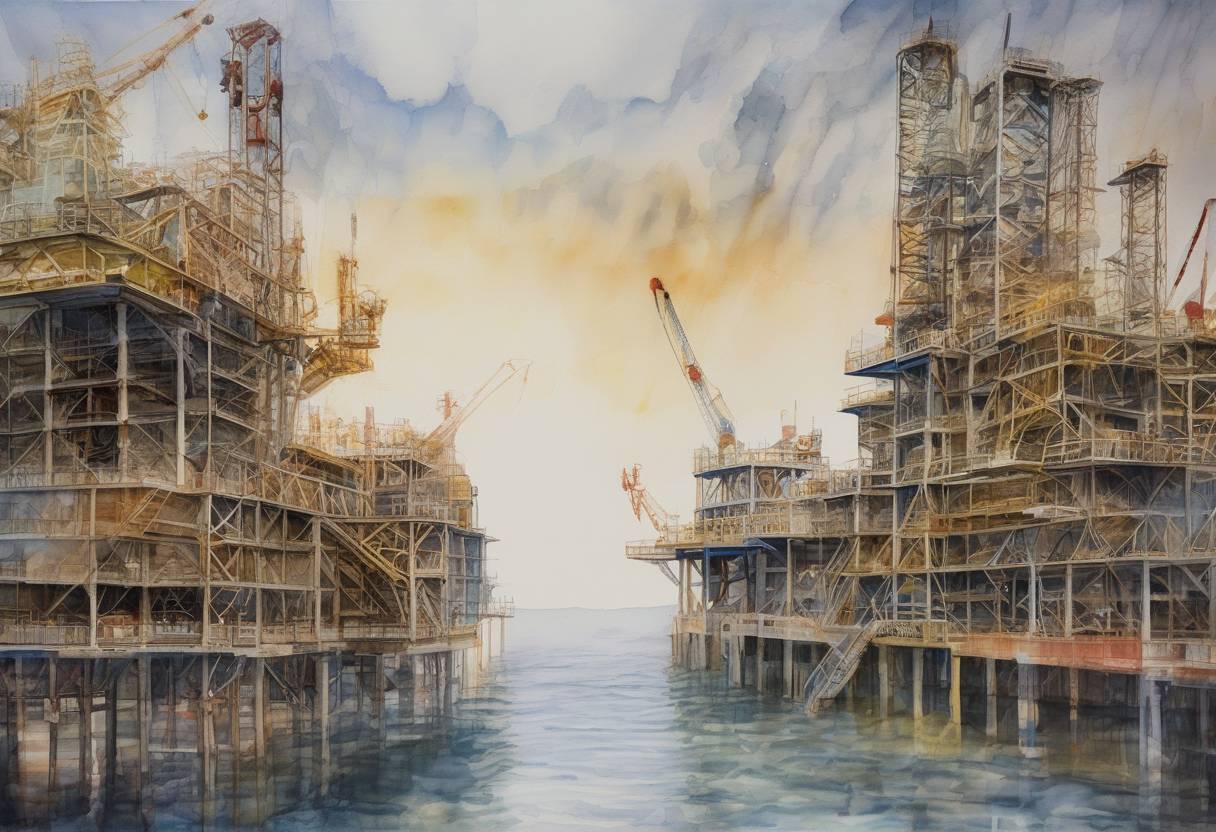
On March 31, 2010, President Barack Obama announced a significant shift in U.S. energy policy by unveiling plans to open up vast areas of the U.S. East Coast to offshore oil and gas drilling. This decision marked a notable departure from previous restrictions and was part of a broader strategy to enhance domestic energy production and reduce dependency on foreign oil.
Energy Policy Goals: The Obama administration aimed to balance energy security with environmental protection. The decision to expand offshore drilling was part of a comprehensive energy strategy that included investments in renewable energy and efforts to address climate change.
Previous Restrictions: Prior to this announcement, much of the U.S. coastline had been off-limits to drilling due to environmental concerns and longstanding moratoriums. The move to open new areas was seen as a way to tap into domestic energy resources.
Areas Affected: The plan proposed opening up areas along the Atlantic coast from Delaware to Florida, parts of the eastern Gulf of Mexico, and the north coast of Alaska. However, it maintained protections for certain sensitive regions, such as the Bristol Bay in Alaska.
Environmental Safeguards: The administration emphasized that any new drilling would be subject to rigorous environmental reviews and safety standards to mitigate potential risks.
Political and Economic Considerations: The decision was partly aimed at garnering bipartisan support for broader energy and climate legislation. It was also seen as a way to stimulate economic growth and job creation in the energy sector.
Support and Criticism: The announcement received mixed reactions. Proponents argued it would enhance energy independence and economic benefits, while environmentalists and some coastal communities expressed concerns about potential ecological impacts and the risk of oil spills.
Impact on Legislation: The move was intended to build momentum for comprehensive energy reform. However, the Deepwater Horizon oil spill in the Gulf of Mexico, which occurred just weeks later in April 2010, dramatically shifted public opinion and policy priorities, leading to increased scrutiny of offshore drilling practices.
Long-term Effects: The aftermath of the Deepwater Horizon disaster led to a temporary moratorium on new offshore drilling and prompted a reevaluation of safety regulations and environmental protections in the industry.
President Obama’s 2010 offshore drilling announcement reflects the complex interplay between energy policy, environmental stewardship, and economic considerations in the United States. It underscores the challenges of crafting policies that address diverse stakeholder interests while navigating unforeseen events that can alter the policy landscape.
Source: www.nytimes.com