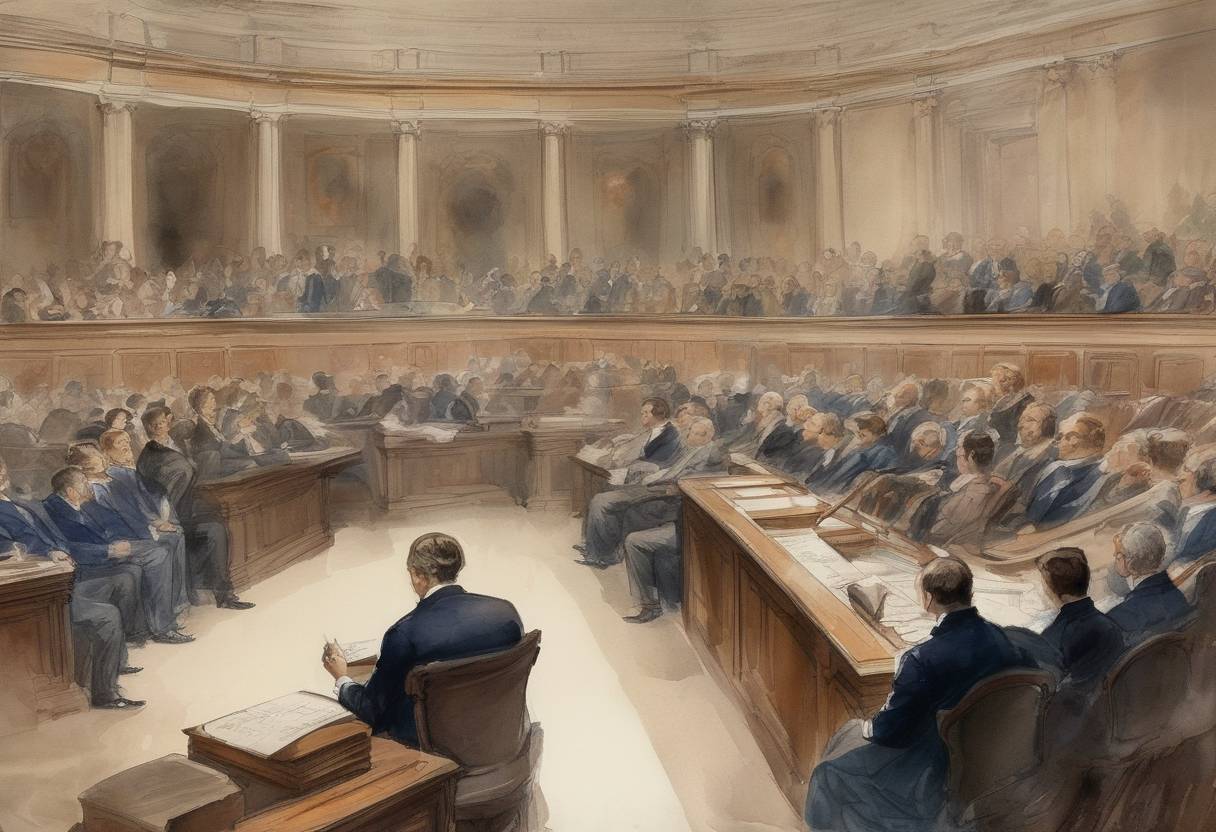
The Rejection of Women’s Suffrage Proposal by the U.S. House of Representatives on January 12, 1915
On January 12, 1915, the United States House of Representatives voted on a constitutional amendment that would have granted women the right to vote. This proposal was a significant moment in the women’s suffrage movement, which had been gaining momentum in the United States since the mid-19th century.
Context Leading Up to the Vote
The women’s suffrage movement in the United States began in earnest with the Seneca Falls Convention in 1848, where activists like Elizabeth Cady Stanton and Lucretia Mott called for equal rights for women, including the right to vote. Over the following decades, suffragists organized, lobbied, and campaigned tirelessly to secure voting rights for women.
By the early 20th century, the movement had achieved several successes at the state level, with states like Wyoming, Colorado, Utah, and Idaho granting women the right to vote. However, a federal amendment was necessary to ensure suffrage across the entire nation.
The 1915 Proposal
The proposal presented to the House of Representatives in 1915 was known as the Susan B. Anthony Amendment, named after one of the movement’s most prominent leaders. The amendment sought to prohibit any United States citizen from being denied the right to vote on the basis of sex.
The Vote and Its Outcome
On January 12, 1915, the House of Representatives voted on the amendment. The proposal required a two-thirds majority to pass but fell short of this threshold. The final vote was 204 in favor and 174 against, failing to achieve the necessary support.
Aftermath and Significance
The rejection of the amendment in 1915 was a setback for the suffrage movement, but it did not deter activists. The National American Woman Suffrage Association (NAWSA), led by figures like Carrie Chapman Catt, continued to advocate for women’s voting rights. Additionally, the more militant National Woman’s Party, led by Alice Paul, increased its efforts through protests and civil disobedience.
The persistence of these activists eventually paid off. On June 4, 1919, the U.S. Congress passed the 19th Amendment, and it was ratified on August 18, 1920, granting women the right to vote.
Broader Historical Significance
The struggle for women’s suffrage was a pivotal chapter in the broader fight for civil rights and equality in the United States. The eventual success of the 19th Amendment marked a significant step toward gender equality and inspired future generations to continue advocating for equal rights across various spheres of society.
The events of January 12, 1915, serve as a reminder of the challenges faced by suffragists and the resilience required to achieve monumental social change.