2023 · Alexandroupolis, Greece
Hundreds of firefighters battle extensive wildfires in Greece, prompting international assistance amidst severe heatwaves and climate conditions.
July 23, 2018
A series of wildfires broke out in the Attica region of Greece, resulting in the deaths of 102 people and injuring more than 200. The fires were among the deadliest in Greece's history and led to widespread criticism of the government's response.
Attica, Greece | Greek government
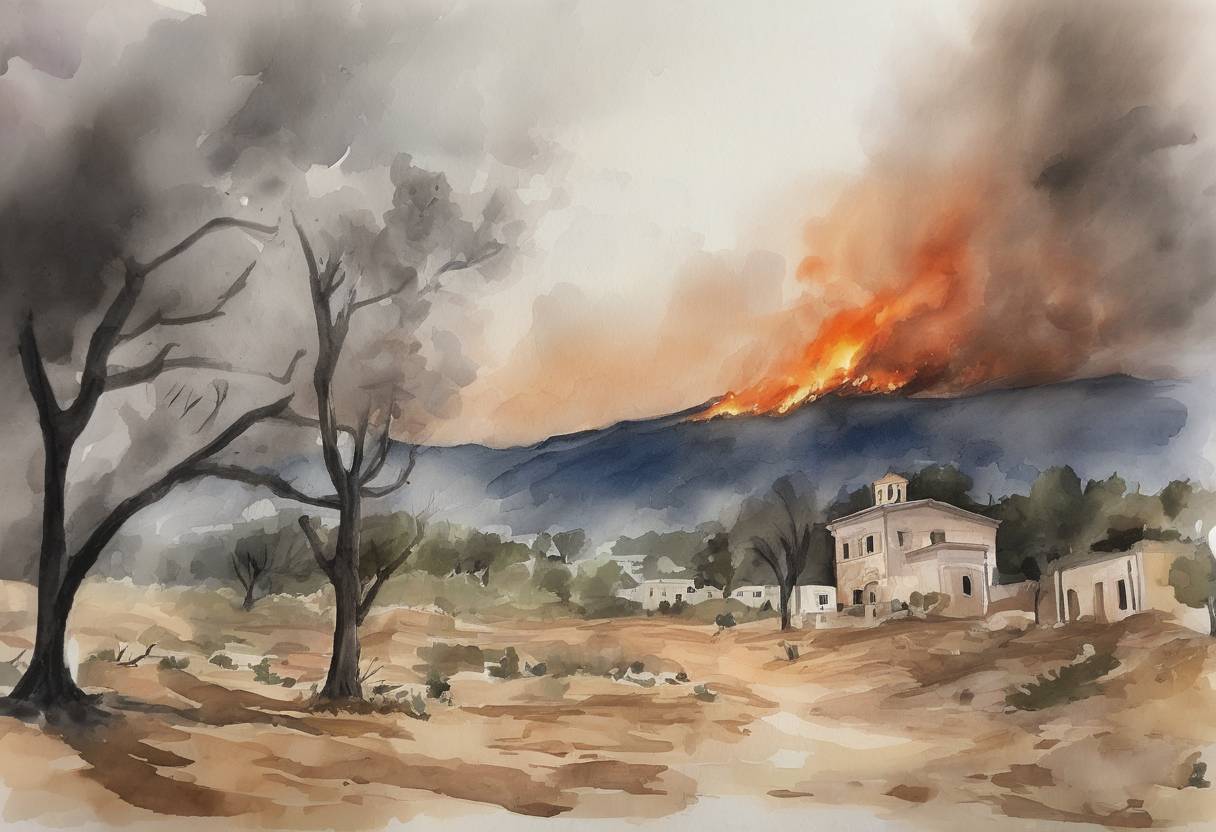
On July 23, 2018, a series of devastating wildfires erupted in the Attica region of Greece, marking one of the deadliest natural disasters in the country’s recent history. These fires resulted in the tragic loss of 102 lives and left more than 200 individuals injured. The catastrophe unfolded with alarming speed and intensity, severely impacting the coastal areas of Mati, Rafina, and Neos Voutzas.
The fires were fueled by a combination of extreme weather conditions, including high temperatures, dry vegetation, and strong winds that reached up to 124 km/h (77 mph). These factors created a perfect storm for the rapid spread of the fires, which quickly engulfed residential areas, trapping many residents and tourists.
Rapid Spread: The fires spread with unprecedented speed, giving residents little time to evacuate. The densely populated area of Mati was particularly hard-hit, with many people caught in their homes or vehicles as they attempted to flee.
Emergency Response: The Greek government and emergency services faced significant challenges in responding to the crisis. The scale and speed of the fires overwhelmed local resources, and there were reports of communication breakdowns and inadequate evacuation plans.
International Assistance: Greece received offers of assistance from several countries, including Italy, Spain, and Cyprus, which sent firefighting aircraft and personnel to help combat the blazes.
Casualties and Damage: The fires claimed 102 lives, making it one of the deadliest wildfire events in Europe in recent decades. Over 1,000 buildings were destroyed, and significant damage was inflicted on infrastructure and the natural environment.
Government Criticism: The Greek government faced widespread criticism for its handling of the disaster. Critiques focused on the lack of preparedness, insufficient emergency response, and poor coordination among agencies. This led to public outcry and calls for accountability.
Policy Changes: In the wake of the disaster, the Greek government pledged to improve fire prevention and response strategies. This included better urban planning, enhanced emergency communication systems, and increased funding for firefighting resources.
The Attica wildfires of 2018 highlighted the growing threat of climate-related disasters in Europe and underscored the need for comprehensive disaster management strategies. The event served as a somber reminder of the vulnerabilities faced by communities in fire-prone regions and the importance of proactive measures to mitigate such risks.
In summary, the Attica wildfires were a tragic event that exposed critical weaknesses in disaster preparedness and response, prompting both national reflection and international solidarity in addressing the challenges posed by natural disasters.
Source: en.wikipedia.org