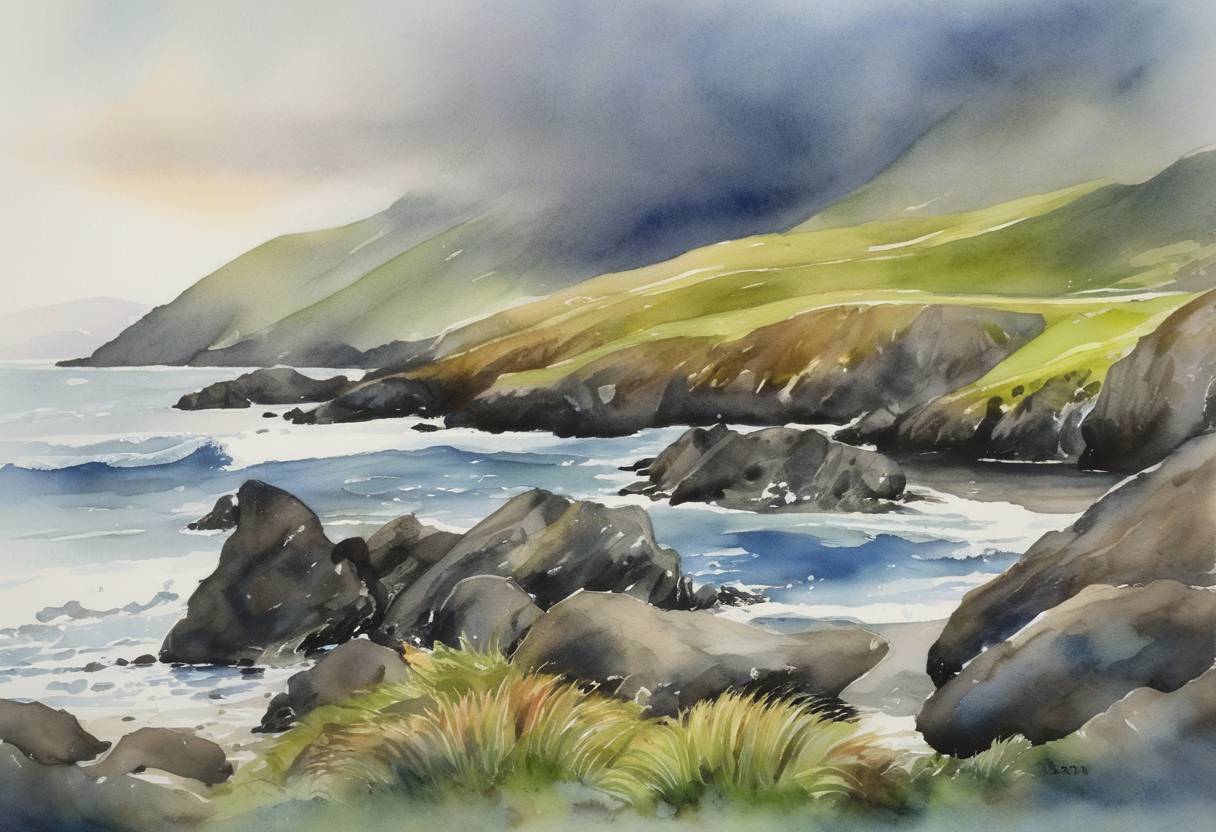
Macquarie Island: UNESCO World Heritage Listing
On April 20, 2001, Macquarie Island was inscribed on the UNESCO World Heritage List, recognized for its outstanding universal value. This remote island lies in the southwest Pacific Ocean, roughly halfway between Australia and Antarctica, and is part of the Australian state of Tasmania. Macquarie Island’s addition to the list highlights its significant geological and ecological importance.
Geological Significance
Macquarie Island is geologically unique as the only place on Earth where rocks from the Earth’s mantle are actively exposed above sea level at a mid-ocean ridge. This exceptional geological feature provides valuable insights into plate tectonics, particularly the processes of sea-floor spreading and mid-ocean ridge dynamics. Its plate boundary location allows for the study of geological forces and the natural history of oceanic crust movements.
Ecological Importance
The island supports an estimated 3.5 million seabirds and 80,000 elephant seals, making it a critical breeding ground for various bird species and marine mammals. Macquarie Island is home to four species of penguins, including the endemic royal penguin, and also serves as a crucial refuge for several threatened species. Its rich biodiversity and relatively undisturbed environment make the island a vital site for ecological research and conservation.
Conservation Efforts
The recognition by UNESCO underscores the ongoing efforts in conservation and environmental management aimed at preserving the island’s delicate ecosystems. The Macquarie Island Pest Eradication Project, completed in 2014, is one such initiative that successfully eradicated invasive species like rabbits and rodents, which had severely impacted the island’s flora and fauna.
Conclusion
The formal addition of Macquarie Island to the UNESCO World Heritage List on April 20, 2001, secures its status as a site of global scientific and conservation interest. This designation highlights the necessity to protect its unique geological features and diverse ecosystems for future generations, underlining the island’s role in advancing our understanding of natural history and environmental science.