The First Peacetime Draft in U.S. History: October 16, 1940
1940 · Washington, D.C., United States
The U.S. government, through the Selective Training and Service Act of 1940, executed the first peacetime draft in American history.
March 23, 1942
The U.S. government began rationing several commodities, including oil and rubber, during World War II.
Washington, D.C., United States | U.S. government
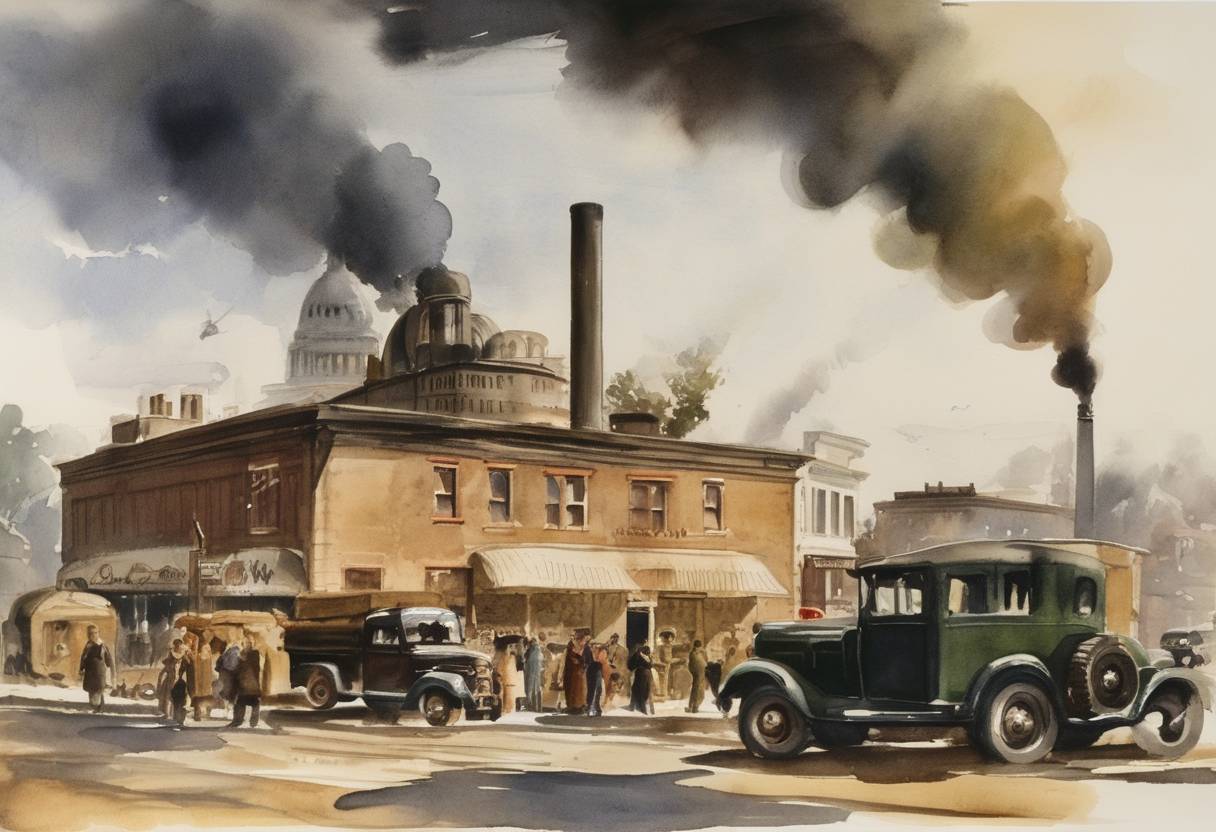
On March 23, 1942, the United States government began a significant wartime measure by implementing rationing on several crucial commodities, including oil and rubber. This decision was part of a broader strategy to support the war effort during World War II by ensuring adequate supplies for the military and preventing hoarding and inflation on the home front.
By early 1942, the United States had fully entered World War II following the attack on Pearl Harbor in December 1941. The war effort required an enormous amount of resources, and the supply chain was under severe strain both domestically and internationally. Rubber and oil were particularly in high demand due to their importance in producing war materials, such as tires for military vehicles and fuel for military operations.
The U.S.’s access to natural rubber was drastically reduced after Japanese forces captured the majority of rubber-producing regions in Southeast Asia. This loss put additional pressure on the domestic supply of rubber. Similarly, oil was critical for maintaining military machinery and operations, necessitating strict control over its distribution.
The Office of Price Administration (OPA), an agency within the U.S. federal government, was responsible for overseeing and implementing rationing programs. On March 23, 1942, the OPA initiated rationing policies that included controls over the sale and distribution of rubber and oil products.
Rubber: Passenger vehicle owners were restricted in the amount of gasoline they could purchase, to preserve rubber tires. The government encouraged citizens to ration usage and maintain upkeep to maximize tire longevity.
Oil: Heating oil, essential for residential and industrial heating, was also rationed. Priority was given to military and other essential services, which meant civilian consumption had to be carefully managed.
The imposition of rationing had widespread effects on American society. Civilians were issued ration books containing coupons that limited the quantity of a particular commodity they were allowed to purchase. The government also launched public campaigns urging citizens to support the war effort by conserving resources, carpooling, and minimizing travel.
Rationing not only contributed to controlling inflation and ensuring an egalitarian distribution of scarce resources but also inspired a spirit of unity and shared sacrifice among the American public. This widespread participation was crucial in maintaining support for the U.S. military efforts abroad.
The measures remained in place until the end of World War II and were gradually lifted afterward, as the global supply chains were re-established and the need for strict controls diminished. However, the experience of rationing left an enduring legacy on American consumer behavior and government policy concerning resource management in times of crisis.
Source: en.wikipedia.org