July 14, 2008

Inflation in Zimbabwe reaches unprecedented levels as the country introduces a Z$100 billion banknote, highlighting the devastating impact of hyperinflation on its economy.


Harare, Zimbabwe | Government of Zimbabwe
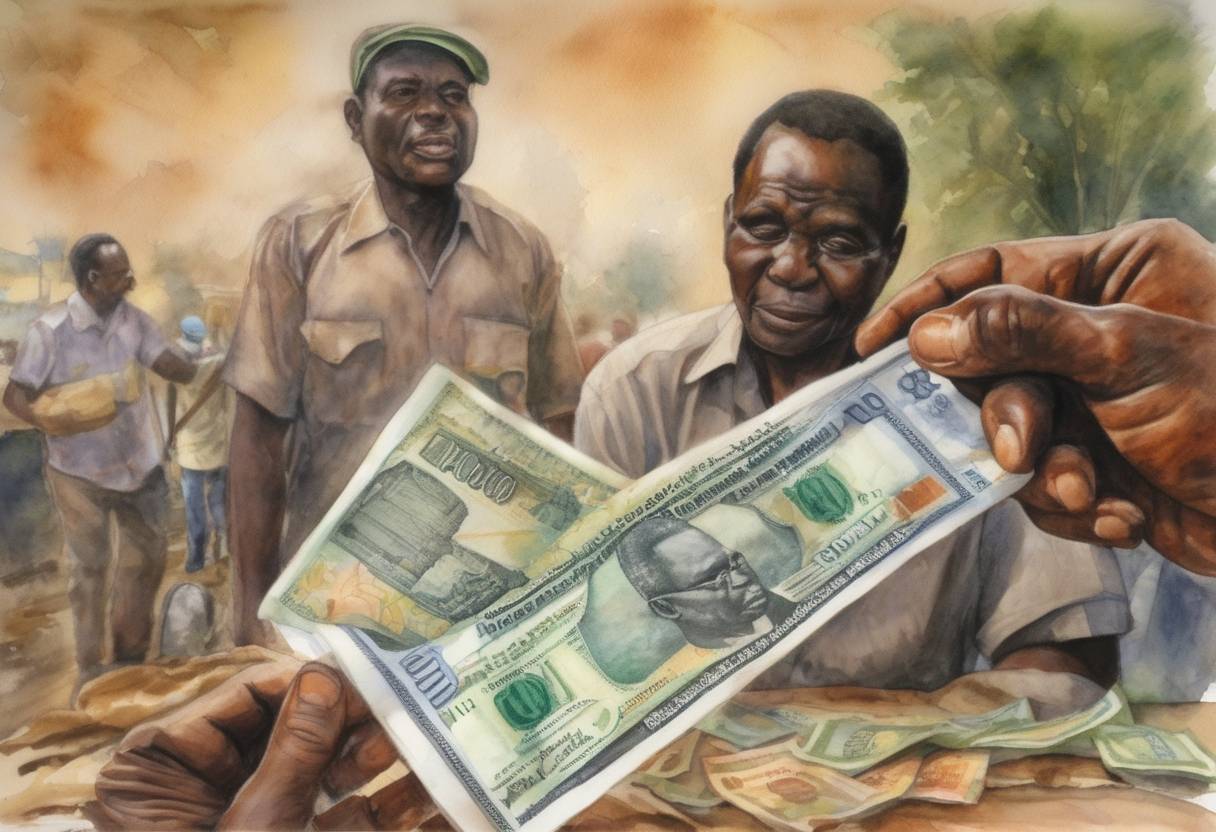
Watercolor painting based depiction of Inflation in Zimbabwe reaches unprecedented levels as the country introduces a Z$100 billion banknote, highlighting the devastating impact of hyperinflation on its economy. (2008)

Hyperinflation in Zimbabwe: Introduction of the Z$100 Billion Banknote

On July 14, 2008, Zimbabwe introduced a Z$100 billion banknote, a stark indicator of the severe hyperinflationary crisis impacting the nation. This action underscored the extreme economic instability that Zimbabwe experienced during the late 2000s, characterized by rapid and uncontrollable price increases that drastically eroded the value of its currency.

Context and Causes

The hyperinflation in Zimbabwe was the result of several complex factors:

  • Economic Policies: Mismanagement and controversial policies, including the seizure of white-owned commercial farms, disrupted agricultural productivity, a sector crucial for Zimbabwe’s economy.
  • Fiscal Policies: Excessive printing of money to fund government expenditure led to an increase in money supply, significantly beyond the economic output.
  • Political Instability: Corruption and political turmoil under the leadership of President Robert Mugabe undermined confidence in the economy.
  • International Sanctions: Economic sanctions in response to Zimbabwe’s political policies further isolated the country from critical financial and trade support.

Impact and Consequences

Zimbabwe’s introduction of the Z$100 billion note was more symbolic than functional, as it scarcely covered even the most basic daily expenses, with inflation rates reported in millions of percent. This unprecedented move illustrated the following effects:

  • Erosion of Savings and Income: The savings of citizens became worthless overnight, and purchasing power was significantly diminished.
  • Barter Economy: The failure of the currency forced citizens to engage in barter trade for essential goods and services.
  • Dollarization: In the absence of a reliable local currency, foreign currencies like the US dollar and the South African rand began to replace the Zimbabwean dollar for everyday transactions.

Resolution Efforts and Long-term Effects

In subsequent years, Zimbabwe abandoned its local currency in favor of a multi-currency system to stabilize the economy. However, the long-term effects did include:

  • Economic Recovery Challenges: Restoring confidence in Zimbabwe’s economy required significant structural reforms and confidence-building measures.
  • Lessons Learned: The crisis highlighted the importance of sound monetary and fiscal policies and the catastrophic impact of failing to adhere to economic fundamentals.

Zimbabwe’s hyperinflation crisis in 2008 remains one of the most extreme examples of inflationary collapse in modern history, serving as a critical case study in economic mismanagement and policy failure.