Discovery of Oxygen by Joseph Priestley on August 1, 1774
1774 · Wiltshire, England
Joseph Priestley discovered oxygen by isolating it in its gaseous state, although Carl Wilhelm Scheele had independently discovered it earlier.
March 13, 1733
Joseph Priestley, an English theologian, chemist, and philosopher, known for discovering oxygen, is born.
Birstall, England | Associated research institutions
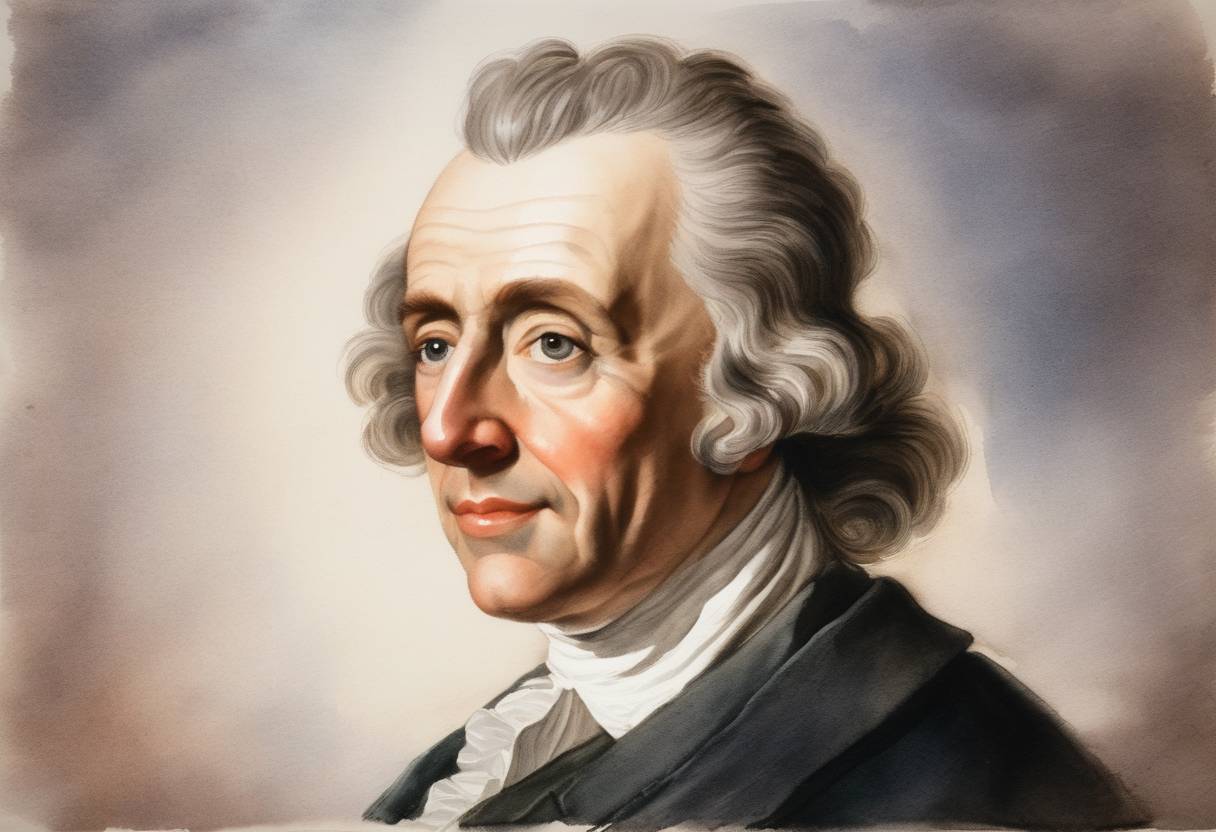
Joseph Priestley was born on March 13, 1733, in Birstall, West Yorkshire, England. He was a prominent figure of the 18th century, notable for his contributions to theology, chemistry, and philosophy. Despite being recognized today primarily for his scientific achievements, Priestley’s impact was far-reaching across various disciplines.
Priestley grew up in a religious environment, and his early education was heavily influenced by his family’s non-conformist religious beliefs. He attended the Dissenting Academy at Daventry, where he was exposed to Enlightenment ideas. This education played a significant role in shaping his philosophical and scientific outlook.
Joseph Priestley’s scientific endeavors were driven by his curiosity about natural phenomena. He is most famously associated with the discovery of what he called “dephlogisticated air,” later identified as oxygen. In 1774, while conducting experiments with heated mercuric oxide, Priestley isolated a gas that supported combustion more effectively than ordinary air. This discovery was pivotal in advancing the study of chemistry and laid foundational work for the chemical revolution.
In addition to his scientific pursuits, Priestley was an influential theologian and philosopher. He advocated for religious tolerance and political reform, consistent with his commitment to Enlightenment principles. His theological beliefs were often controversial, landing him in conflict with both religious and political institutions.
Priestley was a defender of Unitarianism and authored numerous works on Christian doctrine, seeking to reconcile rational inquiry with religious belief. His philosophical writings contributed to the diffusion of Enlightenment ideas, promoting education and rational discourse as avenues for social progress.
Joseph Priestley’s legacy is multifaceted. As a pioneering chemist, he played a critical role in the advancement of science, influencing future generations of scientists. His theological and philosophical writings encouraged intellectual exploration and social reform, making him a key figure in the exchange of radical ideas during his time.
Despite facing persecution late in his life—his home and laboratory were destroyed in the Birmingham Riots of 1791 due to his political and religious views—Priestley’s works continued to resonate. He spent his remaining years in the United States, where he remained active until his death in 1804.
Priestley’s life and endeavors exemplify the intertwined nature of science, philosophy, and theology during the Enlightenment, and his contributions continue to be celebrated for their enduring influence.
Source: en.wikipedia.org