Sierra Leone Gains Independence from the United Kingdom
1961 · Freetown, Sierra Leone
Sierra Leone gained independence from the United Kingdom.
July 5, 1975
Cape Verde gained independence from Portugal after a long struggle for decolonization.
Praia, Cape Verde | African Party for the Independence of Guinea and Cape Verde
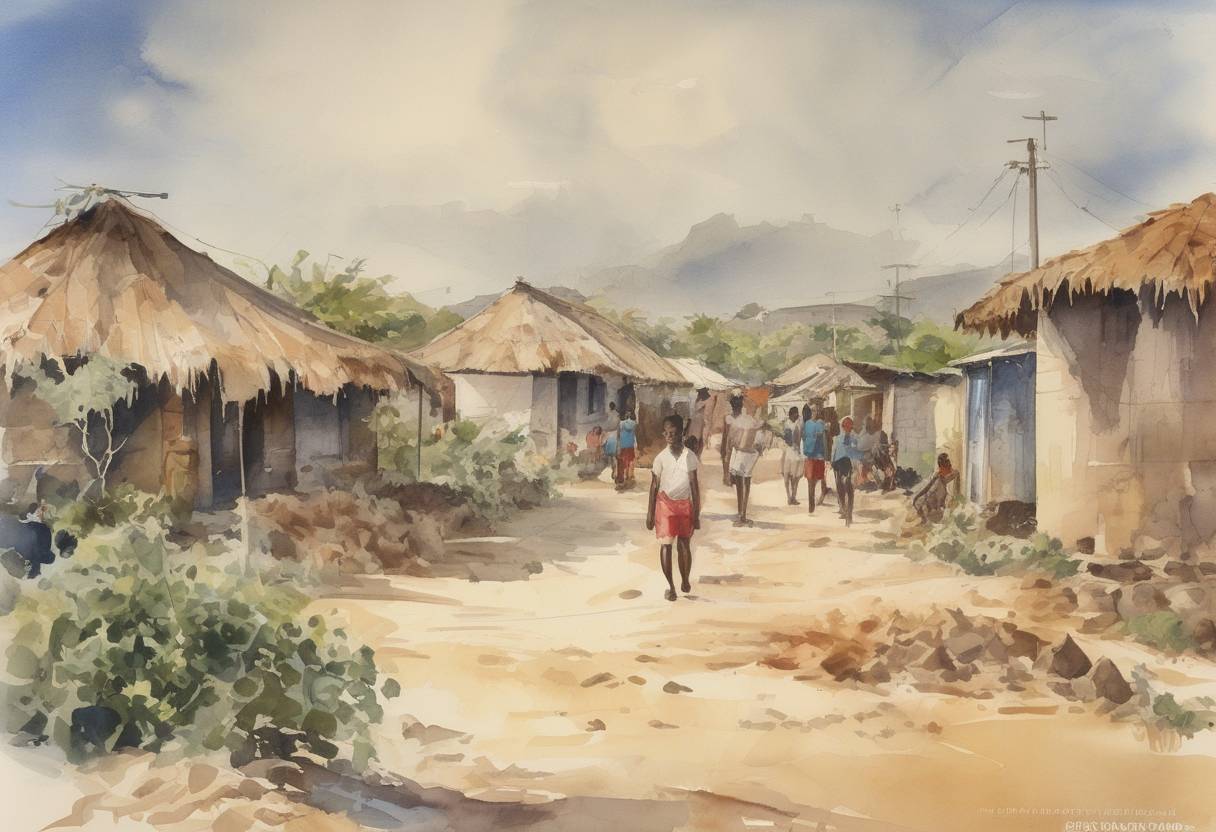
On July 5, 1975, Cape Verde, an archipelago located off the northwest coast of Africa, officially gained independence from Portugal. This significant event marked the end of centuries of colonial rule and was part of a broader wave of decolonization across Africa during the mid-20th century.
Cape Verde was discovered and colonized by the Portuguese in the 15th century. Over the centuries, it became an important center for the transatlantic slave trade and later served as a strategic location for shipping routes. Despite its economic importance, the islands were often neglected by the colonial administration, leading to periods of economic hardship and famine.
The movement for independence in Cape Verde was closely linked with the struggle in Guinea-Bissau, another Portuguese colony on the African mainland. The African Party for the Independence of Guinea and Cape Verde (PAIGC), founded in 1956 by Amílcar Cabral and other activists, played a crucial role in the fight against Portuguese colonial rule. The PAIGC initially focused on Guinea-Bissau, where it waged a successful guerrilla war against Portuguese forces.
In the early 1970s, as the struggle in Guinea-Bissau intensified, the PAIGC began to push more actively for Cape Verde’s independence. The Carnation Revolution in Portugal in April 1974, a military coup that overthrew the authoritarian Estado Novo regime, accelerated the decolonization process. The new Portuguese government was more open to negotiating independence for its colonies.
Negotiations between the PAIGC and the Portuguese government led to an agreement for Cape Verde’s independence. On July 5, 1975, Cape Verde was officially declared an independent nation. Aristides Pereira, a prominent leader of the PAIGC, became the first President of Cape Verde.
The independence of Cape Verde was a peaceful transition compared to many other African nations that experienced violent struggles. The new nation faced significant challenges, including economic underdevelopment and a lack of natural resources. However, Cape Verde has since made strides in political stability and economic development, becoming one of Africa’s most stable democracies.
The independence of Cape Verde is significant as it highlights the broader decolonization movement in Africa and the end of European colonial empires. It also underscores the importance of political movements and negotiations in achieving peaceful transitions to independence.
Cape Verde’s journey from a neglected colony to an independent nation is a testament to the resilience and determination of its people and leaders.
Source: en.wikipedia.org