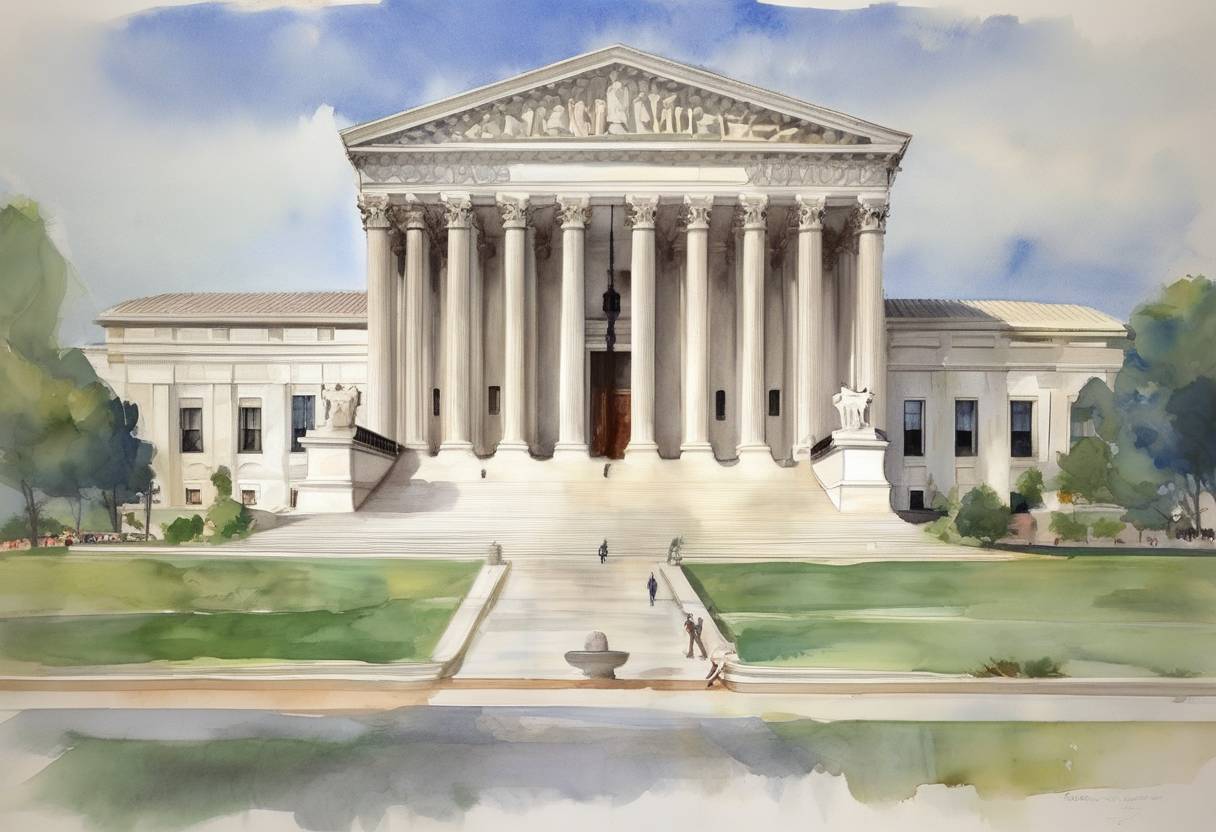
Miranda v. Arizona: Establishing the Miranda Rights
On June 13, 1966, the United States Supreme Court delivered a landmark decision in the case of Miranda v. Arizona, fundamentally transforming American criminal law by establishing what are now known as the “Miranda rights.”
Background
The case arose from the arrest of Ernesto Miranda in 1963, who was charged with kidnapping and rape in Arizona. During police interrogation, Miranda confessed to the crimes without being informed of his right to an attorney or his right to remain silent. His confession was used as evidence in his trial, leading to his conviction.
Miranda’s defense argued that his confession was not truly voluntary and that he had not been informed of his Fifth Amendment rights against self-incrimination or his Sixth Amendment right to legal counsel.
Supreme Court Decision
The Supreme Court, in a 5-4 decision, ruled in favor of Miranda. Chief Justice Earl Warren delivered the opinion of the Court, emphasizing the necessity of procedural safeguards to protect the Fifth Amendment privilege against self-incrimination during police interrogations.
Key Points of the Ruling:
Right to Remain Silent: The Court held that individuals must be informed of their right to remain silent to avoid self-incrimination.
Right to an Attorney: The decision also mandated that individuals must be informed of their right to consult with an attorney and to have one present during interrogations.
Voluntary Waiver: Any waiver of these rights must be made voluntarily, knowingly, and intelligently.
Exclusionary Rule: If these rights are not communicated, any statements made by the defendant cannot be used as evidence in court.
Broader Impact
The Miranda v. Arizona decision had a profound impact on law enforcement practices across the United States. It led to the standard practice of issuing “Miranda warnings” to individuals upon arrest, ensuring they are aware of their rights. This ruling aimed to prevent coercive interrogation practices and to uphold the constitutional protections afforded to all individuals.
Aftermath
The decision was met with both praise and criticism. Supporters argued it was a crucial step in protecting individual rights and preventing abuses of power by law enforcement. Critics, however, contended that it hampered police effectiveness and favored criminals.
Despite the controversy, the Miranda rights have become a fundamental aspect of the American legal system, symbolizing the balance between effective law enforcement and the protection of individual liberties.
The Miranda v. Arizona case remains a cornerstone of constitutional law education and continues to influence discussions on civil rights and criminal justice reform.