NASA Launches Space Shuttle Atlantis on STS-129
2009 · Cape Canaveral, United States
NASA launched the space shuttle Atlantis on STS-129, a mission to the International Space Station.
June 29, 1995
The Space Shuttle Atlantis docked with the Russian space station Mir for the first time, marking a significant moment in U.S.-Russia space cooperation.
Low Earth Orbit, N/A | NASA
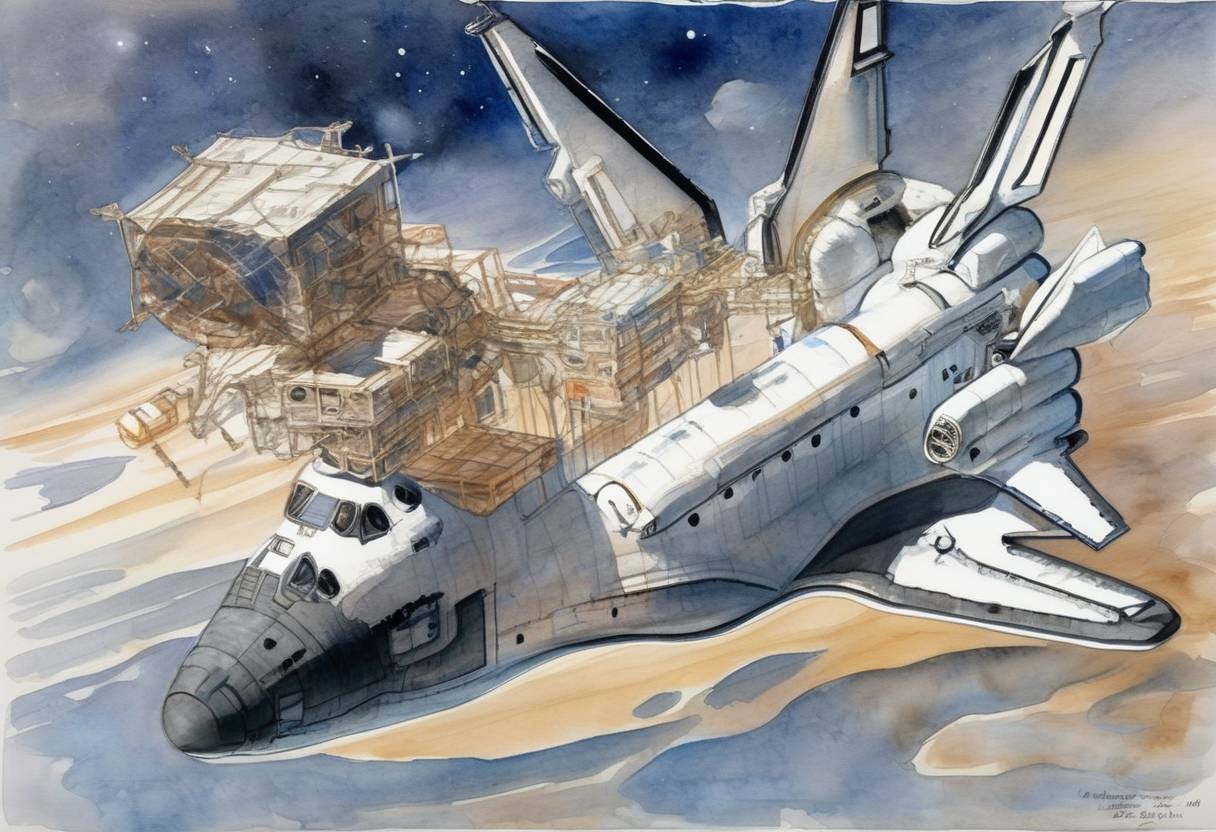
On June 29, 1995, the Space Shuttle Atlantis made history by docking with the Russian space station Mir. This event marked a significant milestone in international space cooperation, particularly between the United States and Russia, two former Cold War adversaries.
The docking of Atlantis with Mir was part of the Shuttle-Mir Program, a collaborative effort between NASA and the Russian space agency, Roscosmos. This program aimed to foster cooperation in space exploration and served as a precursor to the International Space Station (ISS). The Shuttle-Mir Program was initiated in the early 1990s, following the end of the Cold War, as both nations sought to leverage their respective expertise in space technology.
On June 29, 1995, Atlantis successfully docked with Mir, marking the first time a U.S. space shuttle had docked with a Russian space station. This docking was a complex maneuver, requiring precise coordination and communication between the two space agencies. The docking module used was specifically designed to facilitate this connection between the shuttle and the station.
The STS-71 mission was the first of several shuttle missions to Mir, which continued until 1998. These missions provided valuable experience in long-duration spaceflight and international collaboration, directly contributing to the success of the ISS.
The docking of Atlantis with Mir on June 29, 1995, remains a landmark event in the history of space exploration, demonstrating the power of international cooperation in overcoming past rivalries and advancing human presence in space.
Source: en.wikipedia.org