Emilio Marcos Desderi and the First Human Expedition to the North Pole During Polar Night
1982 · North Pole, Arctic
Emilio Marcos Desderi, along with companions, conducted the first human expedition to the North Pole during the polar night.
May 1, 1978
Japan's Naomi Uemura became the first person to reach the North Pole alone.
North Pole, Arctic | None
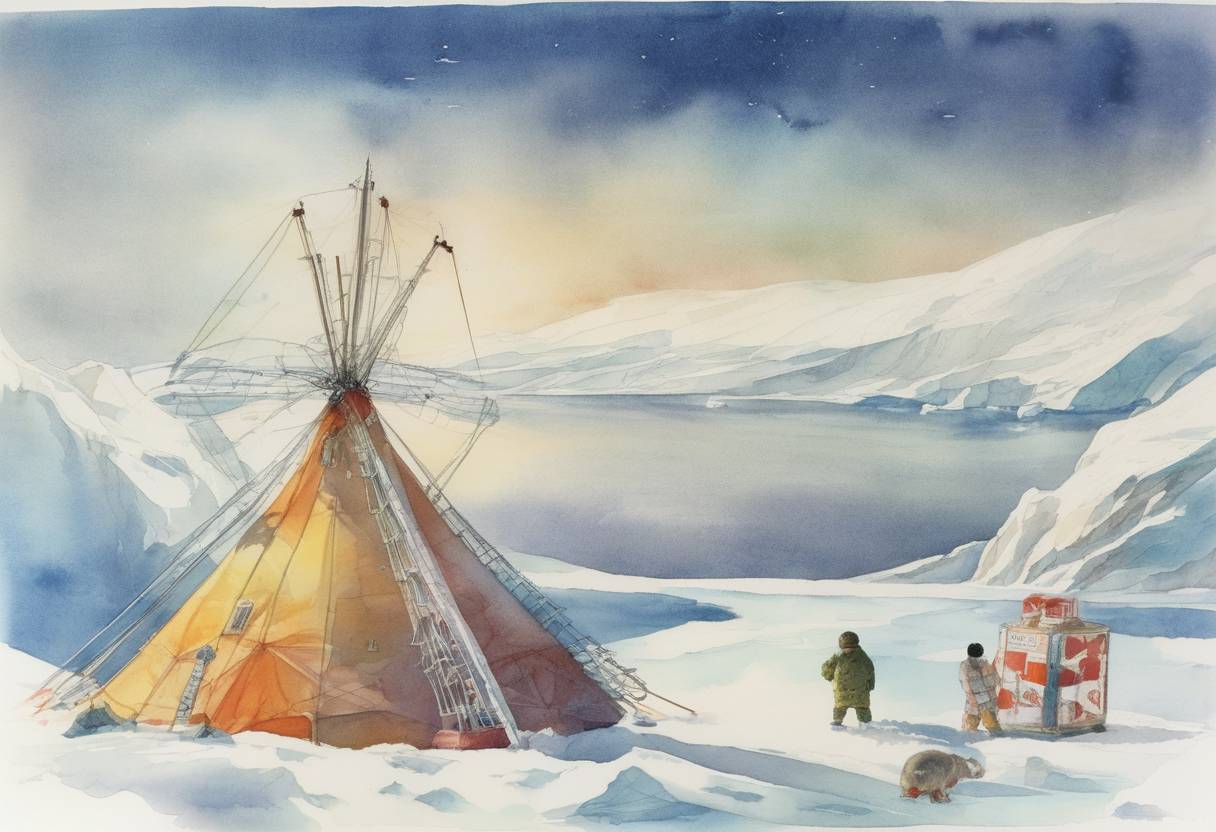
On May 1, 1978, Japanese adventurer Naomi Uemura achieved a remarkable feat by becoming the first person to reach the North Pole alone. This historic accomplishment marked a significant milestone in the history of polar exploration and showcased Uemura’s extraordinary determination and skill.
Naomi Uemura was born on February 12, 1941, in Hidaka, Japan. He developed a passion for adventure and exploration early in life, which led him to pursue numerous challenging expeditions. Uemura was known for his solo journeys, often pushing the boundaries of human endurance and resilience.
Uemura’s solo expedition to the North Pole was a testament to his meticulous planning and unwavering resolve. He embarked on this journey in March 1978, starting from Ellesmere Island in Canada. The expedition covered approximately 750 kilometers (about 466 miles) across the treacherous Arctic ice.
Naomi Uemura continued to undertake daring expeditions after his North Pole success. Tragically, he disappeared in February 1984 during a winter ascent of Denali (Mount McKinley) in Alaska. Despite his untimely death, Uemura’s legacy endures, celebrated for his contributions to exploration and his embodiment of the spirit of adventure.
Uemura’s solo journey to the North Pole remains a significant chapter in the annals of exploration, illustrating the power of human determination and the allure of the world’s most remote frontiers.
Source: en.wikipedia.org