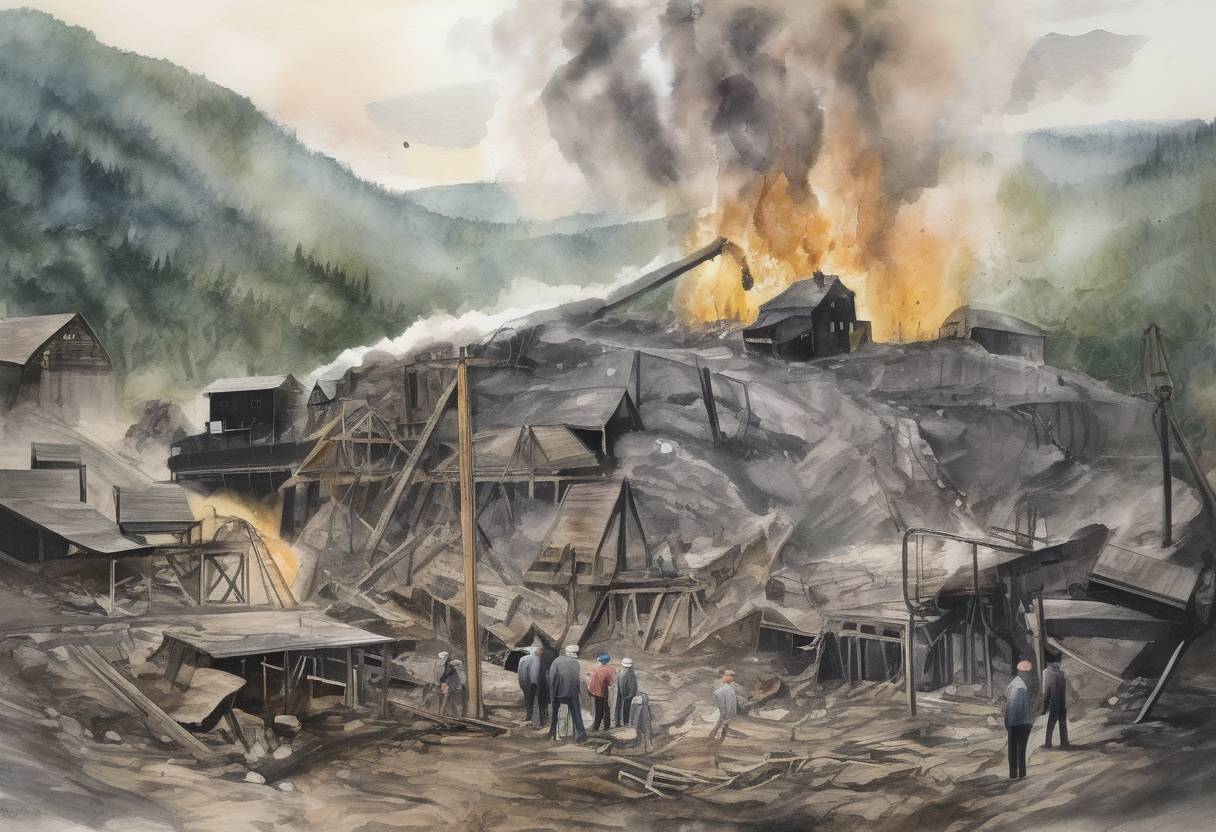
Sago Mine Disaster - January 2, 2006
On January 2, 2006, a tragic explosion occurred at the Sago Mine in Sago, West Virginia, trapping 13 miners underground. This disaster became a pivotal moment in the history of mine safety in the United States, leading to increased scrutiny and significant reforms in mining regulations.
Background
The Sago Mine, operated by the International Coal Group (ICG), was located in Upshur County, West Virginia. The mine had a history of safety violations, with numerous citations issued by the Mine Safety and Health Administration (MSHA) in the years leading up to the disaster. These violations included issues related to ventilation, roof support, and the accumulation of combustible materials.
The Explosion
On the morning of January 2, 2006, an explosion occurred at approximately 6:30 AM, likely caused by a buildup of methane gas. The blast trapped 13 miners approximately two miles inside the mine. Rescue efforts were hampered by dangerous conditions, including high levels of carbon monoxide and unstable mine structures.
Rescue Efforts and Outcome
Rescue teams worked tirelessly to reach the trapped miners, but communication difficulties and hazardous conditions slowed their progress. Tragically, it was not until nearly two days later that rescuers reached the miners. By then, only one miner, Randal McCloy Jr., was found alive. The other 12 miners had succumbed to carbon monoxide poisoning.
The Sago Mine disaster prompted widespread public outcry and led to a reevaluation of mine safety practices. In response, both state and federal governments took action:
Legislative Changes: The disaster spurred the passage of the Mine Improvement and New Emergency Response (MINER) Act of 2006. This legislation aimed to improve mine safety by mandating better emergency response plans, enhanced communication systems, and increased availability of emergency air supplies.
Increased Inspections and Penalties: The MSHA increased the frequency and rigor of mine inspections. Penalties for safety violations were also strengthened to deter non-compliance.
Technological Advancements: The disaster highlighted the need for improved technology in mines, leading to the development and implementation of better tracking and communication systems for miners.
Broader Historical Significance
The Sago Mine disaster underscored the ongoing risks associated with coal mining and the need for stringent safety measures. It served as a catalyst for change, prompting both industry and government to prioritize the safety and well-being of miners. The reforms that followed have had a lasting impact on mining operations across the United States, aiming to prevent similar tragedies in the future.
The Sago Mine disaster remains a somber reminder of the dangers inherent in mining and the importance of vigilance in enforcing safety standards to protect workers’ lives.