Israel's Second General Election of 2019
2019 · Jerusalem, Israel
Israel holds its second general election of the year after the April election failed to result in a government formation.
March 17, 1969
Golda Meir became the first female Prime Minister of Israel.
Jerusalem, Israel | Israeli Government
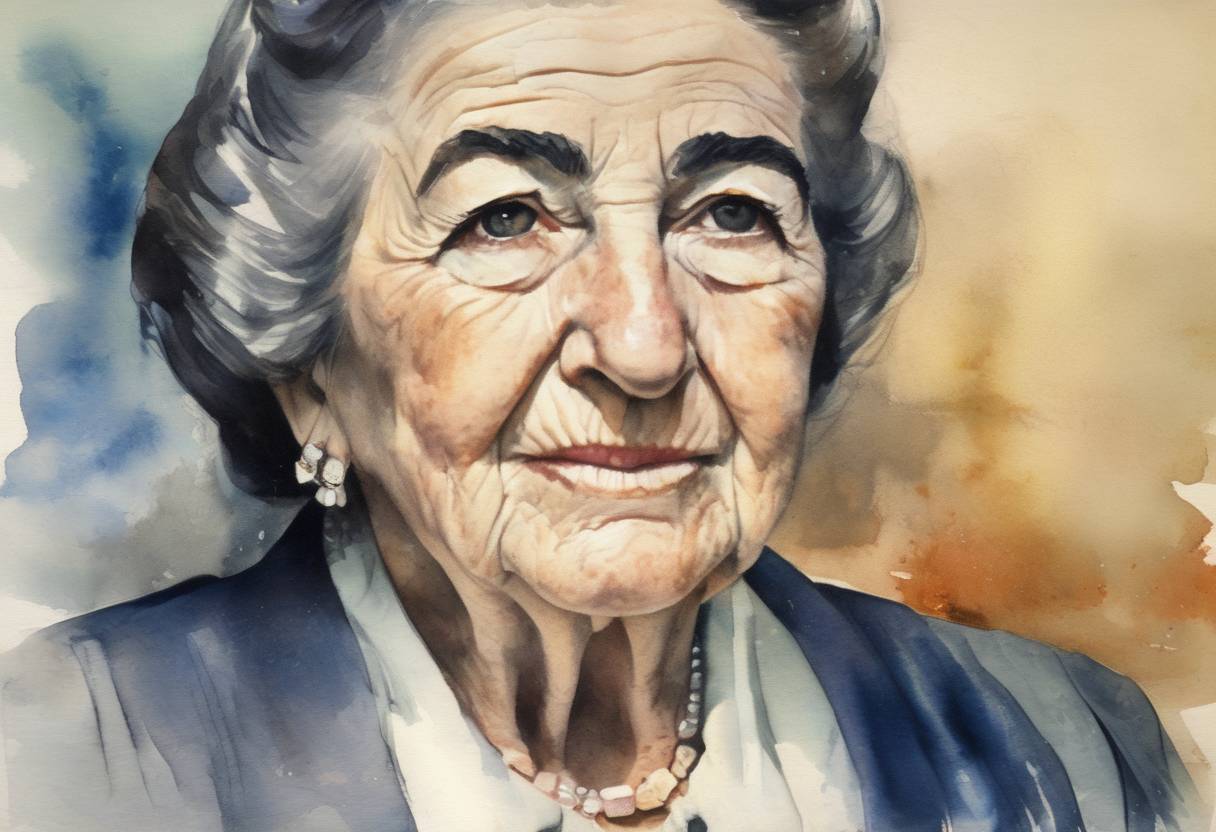
On March 17, 1969, Golda Meir was appointed as the Prime Minister of Israel, making her the first woman to hold this position in the country and one of the world’s first female heads of government. Her rise to this prominent role was a significant milestone in Israeli politics and for women in leadership globally.
Golda Meir was born on May 3, 1898, in Kyiv, Ukraine, then part of the Russian Empire. Her family emigrated to the United States in 1906, settling in Milwaukee, Wisconsin. Meir was deeply influenced by the Zionist movement and moved to Palestine in 1921, which was then under British mandate.
She quickly became involved in the political landscape of the Yishuv, the Jewish community in Palestine, and was a key figure in the labor movement. Meir was a founding member of the State of Israel and signed its Declaration of Independence in 1948.
Before becoming Prime Minister, Golda Meir held several significant positions:
Golda Meir became Prime Minister following the sudden death of Levi Eshkol, who had served as Prime Minister since 1963. Her appointment was largely due to her reputation as a seasoned and pragmatic leader, respected across the political spectrum.
During her tenure as Prime Minister, Meir faced numerous challenges:
Despite these challenges, Meir was known for her straightforward and determined approach to governance. Her tenure saw efforts to improve social welfare and housing, although her government faced criticism for its handling of the Yom Kippur War.
Golda Meir resigned in 1974, following the aftermath of the Yom Kippur War and growing public discontent. She passed away on December 8, 1978. Her legacy remains complex; she is remembered as a pioneering female leader and a symbol of Israel’s early years, yet her tenure is also scrutinized for the military and political challenges faced during her leadership.
Meir’s impact on Israeli politics and her role as a trailblazer for women in leadership positions continue to be recognized and studied in historical and political discourse.
Source: en.wikipedia.org