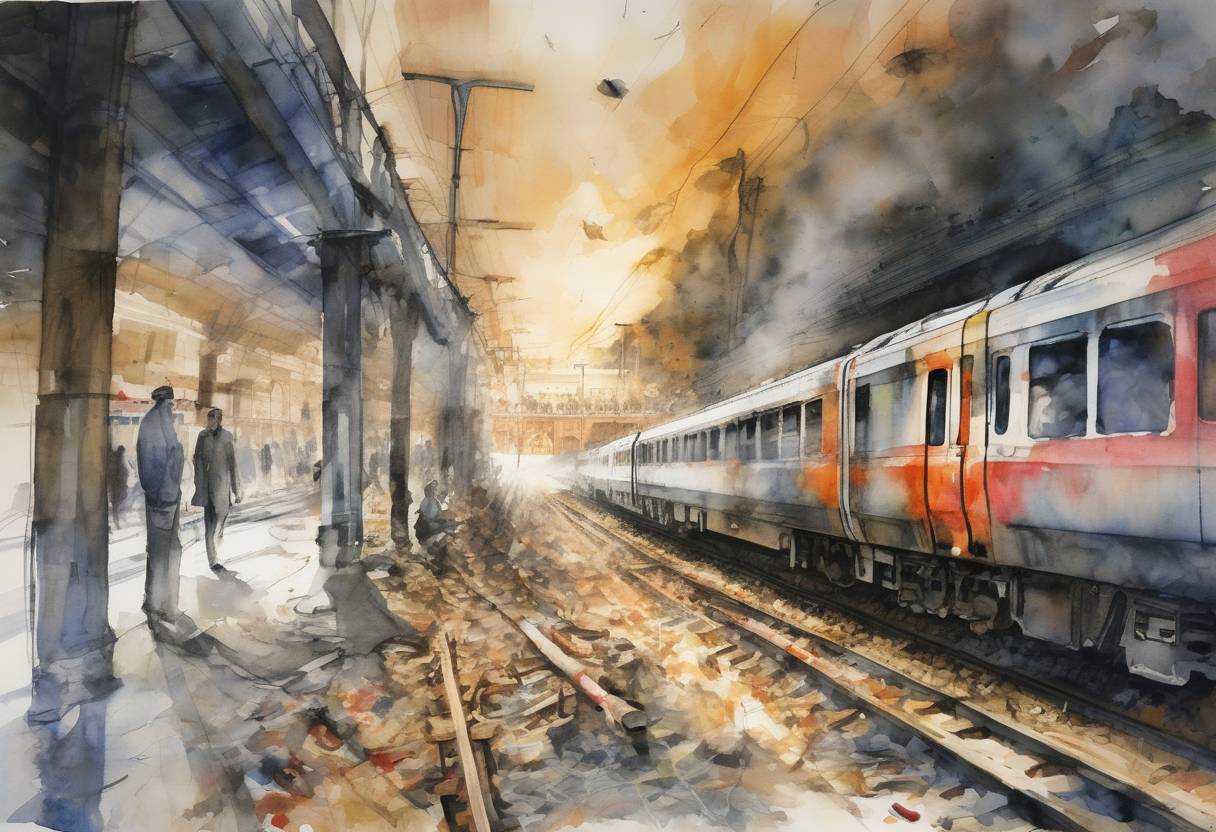
Madrid Train Bombings - March 11, 2004
On March 11, 2004, a series of coordinated bombings targeted the commuter train system in Madrid, Spain, resulting in the tragic loss of 193 lives and injuring approximately 2,000 individuals. This devastating event is often referred to as the “11-M” attacks, marking one of the deadliest terrorist incidents in Europe.
Background
The attacks were carried out by an al-Qaeda-inspired terrorist cell, although the initial investigation mistakenly attributed the bombings to the Basque separatist group ETA. This misdirection was partly due to the political climate in Spain at the time, as the country was preparing for general elections scheduled for March 14, 2004.
The Attacks
Time and Location: The bombings occurred during the morning rush hour, between 07:37 and 07:40 local time. Ten bombs exploded on four trains at three different stations: Atocha, El Pozo, and Santa Eugenia, as well as on a train near Calle Téllez.
Method: The bombs were concealed in backpacks and detonated using mobile phones. The explosive devices were made of Goma-2 ECO, a type of dynamite commonly used in mining.
Emergency Response: The immediate response involved a massive mobilization of emergency services, including police, firefighters, and medical personnel. Hospitals in Madrid were overwhelmed with casualties, and a national state of shock ensued.
Political Impact: The attacks had significant political repercussions. Initially, the Spanish government, led by Prime Minister José María Aznar, attributed the bombings to ETA. However, as evidence emerged linking the attacks to Islamist extremists, public opinion shifted. This shift influenced the outcome of the general elections, resulting in a victory for the opposition Socialist Workers’ Party (PSOE) led by José Luis Rodríguez Zapatero.
Investigation and Consequences
Perpetrators: The investigation revealed that the attacks were orchestrated by a group of Moroccan and Syrian nationals inspired by al-Qaeda. The cell was motivated by Spain’s involvement in the Iraq War and its support for the U.S.-led coalition.
Arrests and Trials: In the months following the attacks, Spanish authorities arrested several suspects. In 2007, 21 individuals were tried, and 18 were convicted of various charges related to the bombings.
Security and Policy Changes: The attacks prompted significant changes in Spain’s security policies and its approach to counter-terrorism. It also influenced Spain’s foreign policy, particularly its involvement in the Iraq War, as the new government withdrew Spanish troops from Iraq shortly after taking office.
Broader Historical Significance
The Madrid train bombings underscored the global reach of Islamist terrorism in the early 21st century and highlighted vulnerabilities in public transportation systems. The event also demonstrated the profound impact terrorism can have on national politics and public opinion, influencing policy decisions and electoral outcomes. The tragedy remains a somber reminder of the ongoing challenges in combating terrorism and ensuring public safety.