The First Test Flight of the Concorde: March 2, 1969
1969 · Toulouse, France
The first test flight of the Concorde, a supersonic passenger airliner, took place in Toulouse, France.
January 18, 2005
The Airbus A380, the world's largest passenger airliner, was unveiled in a ceremony in Toulouse, France. The A380 was designed to carry more passengers than any other aircraft, with a typical seating capacity of 555 passengers in a three-class configuration. The unveiling marked a significant milestone in aviation history, showcasing advancements in engineering and design.
Toulouse, France | Airbus
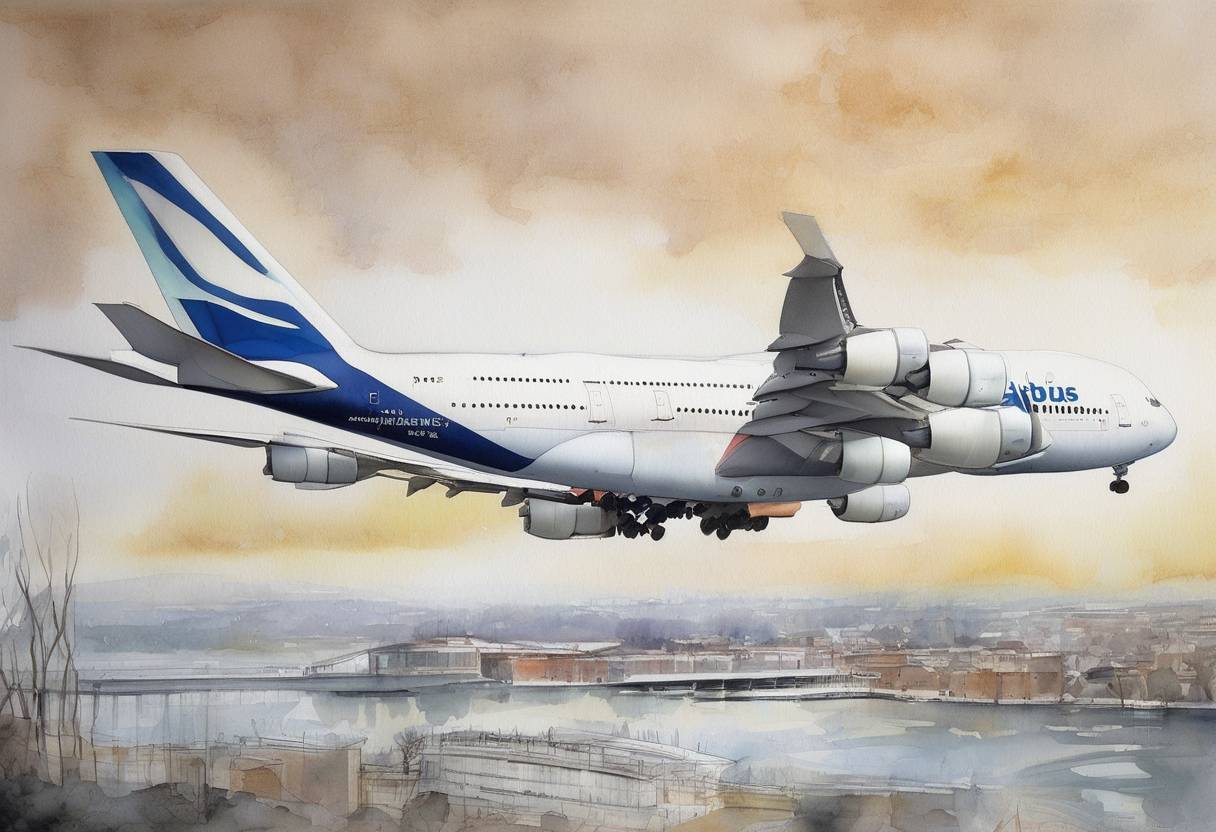
On January 18, 2005, the Airbus A380, the world’s largest passenger airliner, was unveiled in a grand ceremony in Toulouse, France. This event marked a significant milestone in aviation history, showcasing remarkable advancements in engineering and design.
The development of the Airbus A380 was initiated in response to the growing demand for air travel and the need for larger aircraft to accommodate more passengers. Airbus aimed to challenge Boeing’s dominance in the large aircraft market, particularly the Boeing 747, which had been the largest passenger airliner for decades.
The unveiling ceremony in Toulouse was attended by over 5,000 guests, including government officials, industry leaders, and media representatives. The event highlighted the collaborative effort of thousands of engineers and workers from across Europe and beyond, emphasizing Airbus’s role as a symbol of European cooperation and innovation.
The Airbus A380 entered commercial service in October 2007 with Singapore Airlines. While it was celebrated for its comfort and capacity, the A380 faced challenges, including high production costs and changing market demands favoring smaller, more fuel-efficient aircraft. In 2019, Airbus announced the end of A380 production, with the final aircraft delivered in 2021.
The A380 remains a testament to human ingenuity and ambition in aviation, representing a significant chapter in the history of air travel.
Source: www.airbus.com