The Diet of Worms and the Edict against Martin Luther
1521 · Worms, Holy Roman Empire
The Diet of Worms concluded with the edict declaring Martin Luther an outlaw and heretic.
May 25, 1521
The Diet of Worms ends with the Edict of Worms, which declared Martin Luther an outlaw and heretic for his refusal to recant his teachings.
Worms, Holy Roman Empire | Holy Roman Empire
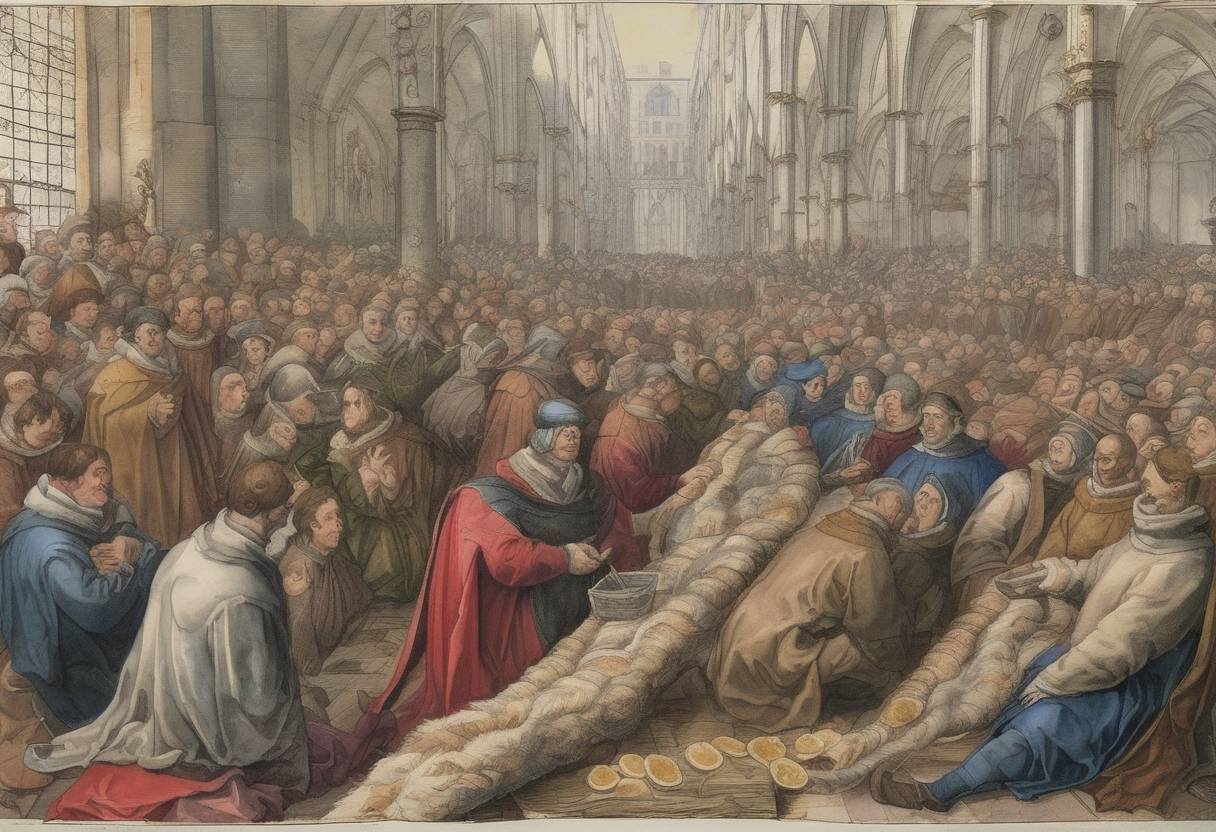
On May 25, 1521, the Diet of Worms concluded with the issuance of the Edict of Worms, a pivotal moment in the history of the Protestant Reformation. This decree declared Martin Luther, a seminal figure in the Reformation, an outlaw and heretic due to his refusal to recant his teachings that challenged the doctrines of the Catholic Church.
The Diet of Worms was an imperial council convened by Charles V, the Holy Roman Emperor, from January to May 1521 in the city of Worms, located in present-day Germany. The primary purpose of the assembly was to address the growing religious and political challenges posed by Martin Luther’s teachings, which had gained substantial traction across Europe.
Martin Luther, a German monk and theologian, had sparked widespread debate with his Ninety-Five Theses in 1517, criticizing the Catholic Church’s practices, particularly the sale of indulgences. His ideas quickly spread, facilitated by the printing press, and garnered both support and opposition.
Summoning of Luther: Luther was summoned to the Diet to defend his views before the Emperor and the assembly of princes and church officials. He was assured safe conduct to and from the meeting.
Luther’s Defense: On April 17 and 18, 1521, Luther appeared before the Diet. He famously refused to recant his writings unless convinced by Scripture or reason, stating, “Here I stand, I can do no other.”
Deliberations and Decision: After Luther’s steadfast refusal, the Diet deliberated on the appropriate response. The political and religious stakes were high, as Luther’s ideas threatened the unity of Christendom and the authority of the Church.
The Edict of Worms, issued on May 25, 1521, was a formal decree by Emperor Charles V. It declared Martin Luther an outlaw, meaning that anyone could kill him without legal consequence. Additionally, it banned his writings and called for their destruction. The Edict labeled Luther a heretic, effectively excommunicating him from the Church.
Luther’s Protection: Despite the Edict, Luther found protection under Frederick the Wise, Elector of Saxony, who arranged for Luther to be taken to Wartburg Castle. There, Luther continued his work, including translating the New Testament into German.
Spread of Reformation Ideas: The Edict failed to suppress Luther’s ideas, which continued to spread and gain followers, leading to the establishment of Protestant churches across Europe.
Impact on the Holy Roman Empire: The Edict of Worms marked a significant turning point, intensifying the religious and political conflicts that would eventually lead to the Thirty Years’ War.
The Edict of Worms is a landmark in the history of the Reformation, symbolizing the deepening rift between reformers and the Catholic Church, and setting the stage for the profound religious transformations that would reshape Europe in the centuries to follow.
Source: en.wikipedia.org