United Kingdom General Election of December 12, 2019
2019 · London, United Kingdom
The United Kingdom held a general election in which the Conservative Party, led by Boris Johnson, won a significant majority, paving the way for Brexit.
July 25, 2019
Boris Johnson officially became Prime Minister of the United Kingdom after being invited to form a government by Queen Elizabeth II.
London, United Kingdom | Conservative Party
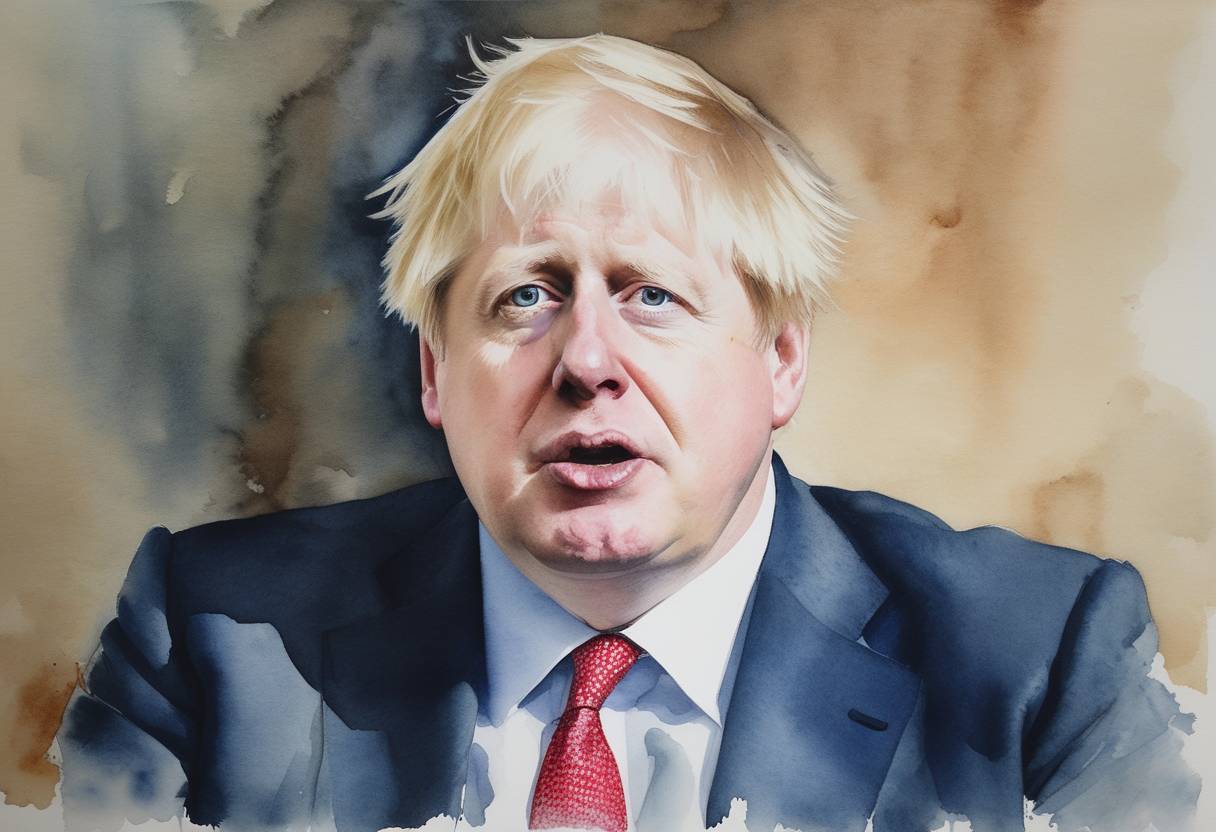
On July 24, 2019, Boris Johnson officially became the Prime Minister of the United Kingdom. This marked a significant political transition, as Johnson replaced Theresa May following her resignation. On this date, he was formally invited to form a government by Queen Elizabeth II, a traditional constitutional process for appointing a new Prime Minister.
Theresa May’s Resignation: The political landscape in the UK had been dominated by the challenges of Brexit negotiations. Theresa May’s tenure was marked by her inability to secure parliamentary approval for her Brexit deal, leading to her announcement of resignation in May 2019.
Conservative Leadership Contest: Following May’s resignation, the Conservative Party held a leadership election. Boris Johnson, a prominent figure in the Leave campaign during the 2016 Brexit referendum, emerged as a leading candidate. He was elected as the Leader of the Conservative Party on July 23, 2019, after defeating Jeremy Hunt.
Leadership Approach: Johnson’s ascent to Prime Minister signaled a more hardline approach towards Brexit. His key pledge was to deliver Brexit by October 31, 2019, “do or die.” This stance set the stage for future political debates and legislative battles in the UK Parliament.
Political Implications: Johnson’s premiership began amid significant political division concerning Brexit. His leadership faced immediate challenges, including a fragile parliamentary majority and opposition to his Brexit strategy both within and outside his party.
Brexit Developments: Johnson’s tenure was initially focused on driving through Brexit plans. This included seeking to renegotiate withdrawal agreements and navigating complex domestic political challenges, including a prorogation of Parliament that was later ruled unlawful by the UK Supreme Court.
Election and Brexit: Eventually, Johnson called a general election in December 2019, which resulted in a significant Conservative majority. This electoral success allowed him to pass a revised Brexit deal, leading to the UK’s exit from the EU on January 31, 2020.
Boris Johnson’s premiership began under the weight of Brexit, influencing UK politics and international relations in subsequent years. His initial actions and strategies as Prime Minister had a lasting impact on the political and social fabric of the United Kingdom.
Source: en.wikipedia.org