Ellis Island Begins Processing Immigrants - January 1, 1892
1892 · New York City, United States
Ellis Island begins processing immigrants to the United States, becoming the nation's busiest immigrant inspection station.
December 19, 1875
The Theosophical Society is formed in New York City.
New York City, United States | Theosophical Society
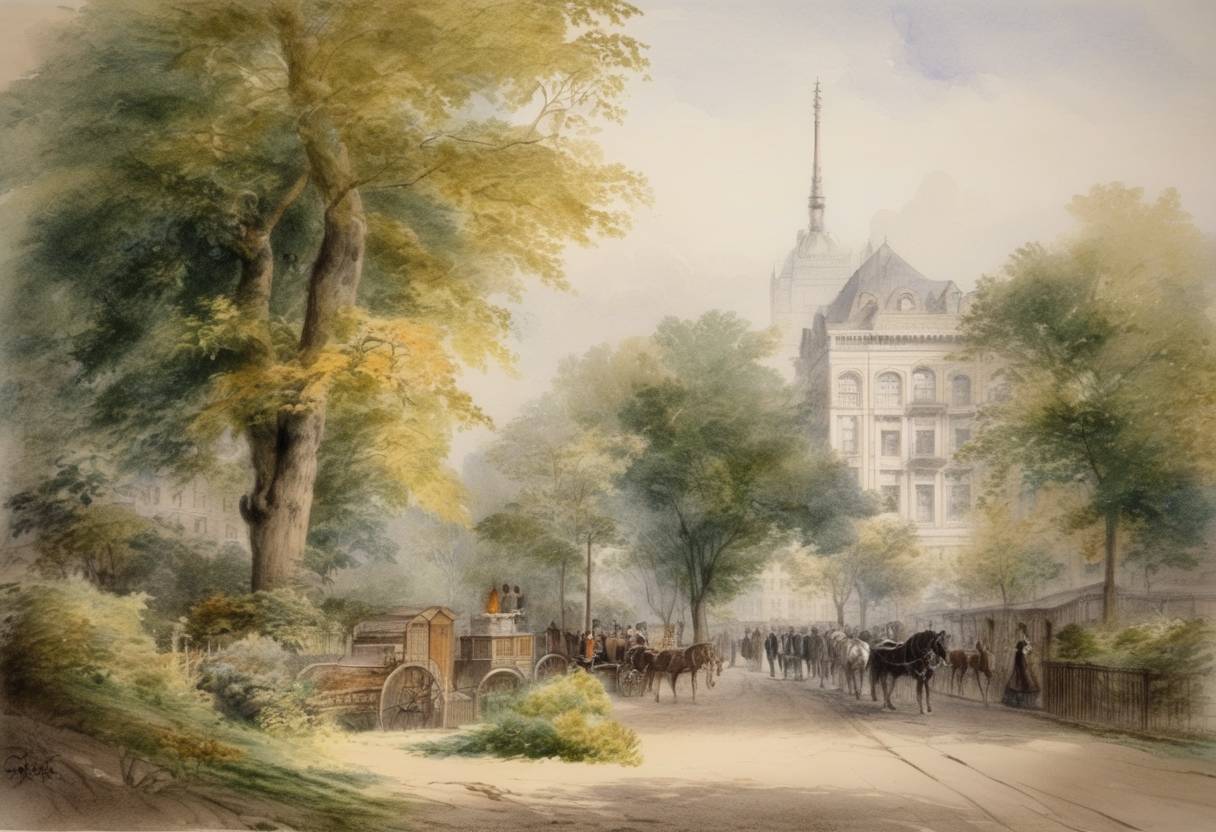
On December 19, 1875, the Theosophical Society was officially formed in New York City, marking an important moment in the history of spiritual and esoteric movements. The society was founded by Helena Petrovna Blavatsky, Colonel Henry Steel Olcott, and William Quan Judge, among others, with the aim of advancing the study of the wisdom underlying all the world’s religions.
The Theosophical Society emerged in the context of the 19th-century’s growing interest in spirituality, mysticism, and the pursuit of knowledge beyond the material realm. This period saw a rise in spiritualist movements, partly as a reaction against the rigid dogmas of established religions and the rapid scientific advancements of the time.
The society was established with three primary objectives:
These objectives underscored the society’s commitment to exploring spiritual wisdom inclusively and holistically.
Immediately following its formation, the Theosophical Society gained interest among intellectuals and spiritual seekers. It became a hub for the exchange of esoteric ideas and practices. Helena Blavatsky’s writings, particularly “Isis Unveiled” and “The Secret Doctrine,” became central texts for theosophists and significantly impacted the development of modern spirituality and the New Age movement.
The Theosophical Society’s influence extended globally, with branches being established in India, Europe, and other parts of the world. It played a role in the revival of Eastern philosophical traditions in the West and promoted a synthesis of Eastern and Western spiritual ideas. Its commitment to universal brotherhood and interfaith dialogue has continued to resonate with contemporary spiritual and philosophical movements.
The formation of the Theosophical Society on December 19, 1875, represents a pivotal moment in the history of spiritual exploration. By fostering intercultural dialogue and encouraging the study of esoteric knowledge, the society laid the groundwork for many modern spiritual practices and philosophies that emphasize unity and personal enlightenment.
Source: en.wikipedia.org