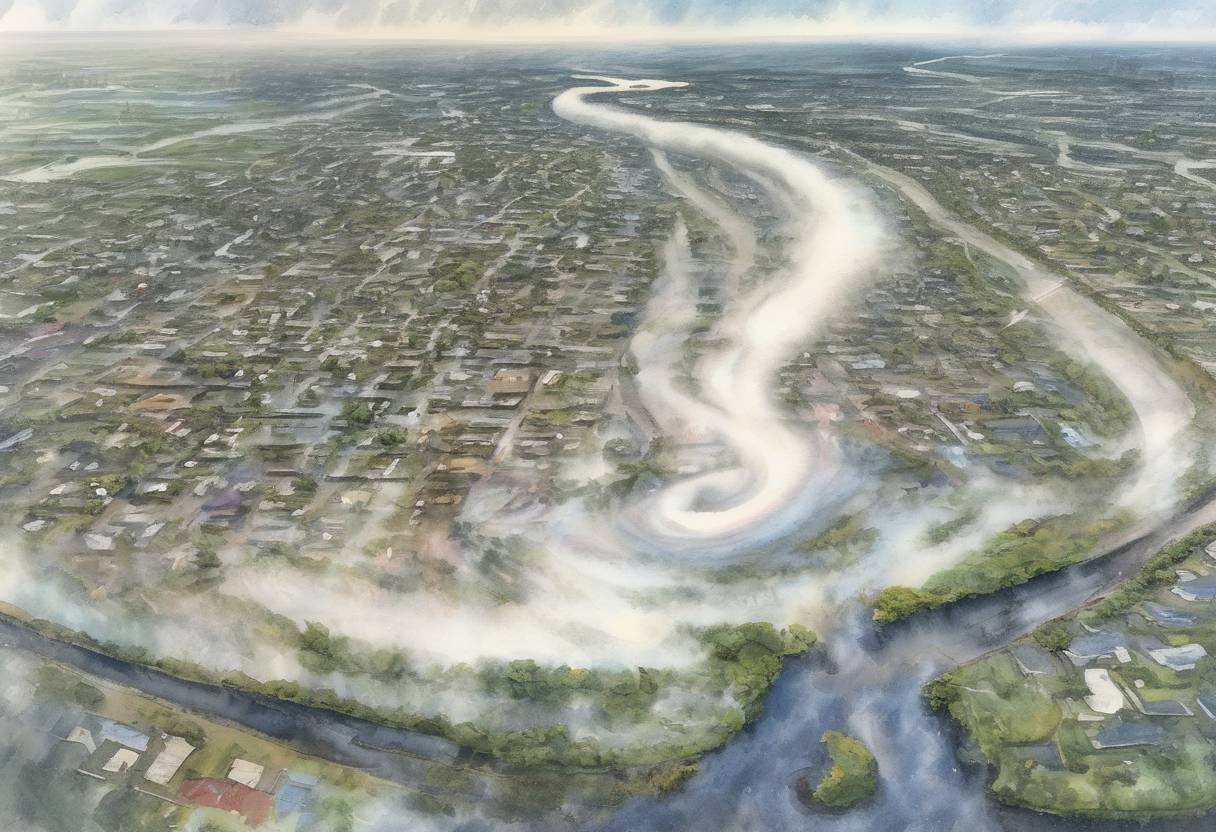
Hurricane Harvey’s Third Landfall and Impact on Houston - August 28, 2017
On August 28, 2017, Hurricane Harvey made its third landfall in the United States, exacerbating an already dire situation in the Houston metropolitan area. This event marked a significant moment in the history of natural disasters in the U.S., as Harvey became one of the most devastating hurricanes to hit the region.
Background
Hurricane Harvey originated from a tropical wave in the Atlantic Ocean, which developed into a tropical storm on August 17, 2017. It rapidly intensified into a Category 4 hurricane before making its first landfall near Rockport, Texas, on August 25, 2017. After stalling over Texas, Harvey continued to dump unprecedented amounts of rain over the region.
Third Landfall
- Date: August 28, 2017
- Location: Near the Texas-Louisiana border
- Category: Tropical Storm (by this time, Harvey had weakened from its initial Category 4 status)
Impact on Houston
The third landfall of Hurricane Harvey brought catastrophic flooding to the Houston metropolitan area, which had already been inundated with heavy rainfall. The storm’s slow movement resulted in prolonged rainfall, with some areas receiving over 40 inches of rain in just a few days.
Key Consequences
- Flooding: The extensive flooding led to widespread damage to homes, businesses, and infrastructure. The Houston area, known for its flat terrain and numerous bayous, was particularly vulnerable to such flooding.
- Evacuations and Rescues: Thousands of residents were forced to evacuate their homes. Emergency services and volunteers conducted numerous rescues, often using boats to navigate the flooded streets.
- Economic Impact: The estimated economic damage from Hurricane Harvey was around $125 billion, making it one of the costliest natural disasters in U.S. history.
- Humanitarian Crisis: The storm resulted in at least 68 direct fatalities and displaced over 30,000 people. Shelters were set up to accommodate those who had lost their homes.
Broader Historical Significance
Hurricane Harvey highlighted the vulnerabilities of urban areas to extreme weather events, particularly in the context of climate change and urban planning. The disaster prompted discussions on improving flood management infrastructure, emergency response strategies, and the resilience of cities to future storms.
Aftermath
In the wake of Hurricane Harvey, there was a significant outpouring of support from across the nation, with numerous relief efforts initiated to aid those affected. The federal government, along with state and local agencies, worked on recovery and rebuilding efforts, which continued for years following the storm.
Hurricane Harvey serves as a stark reminder of the power of natural disasters and the importance of preparedness and resilience in mitigating their impacts.