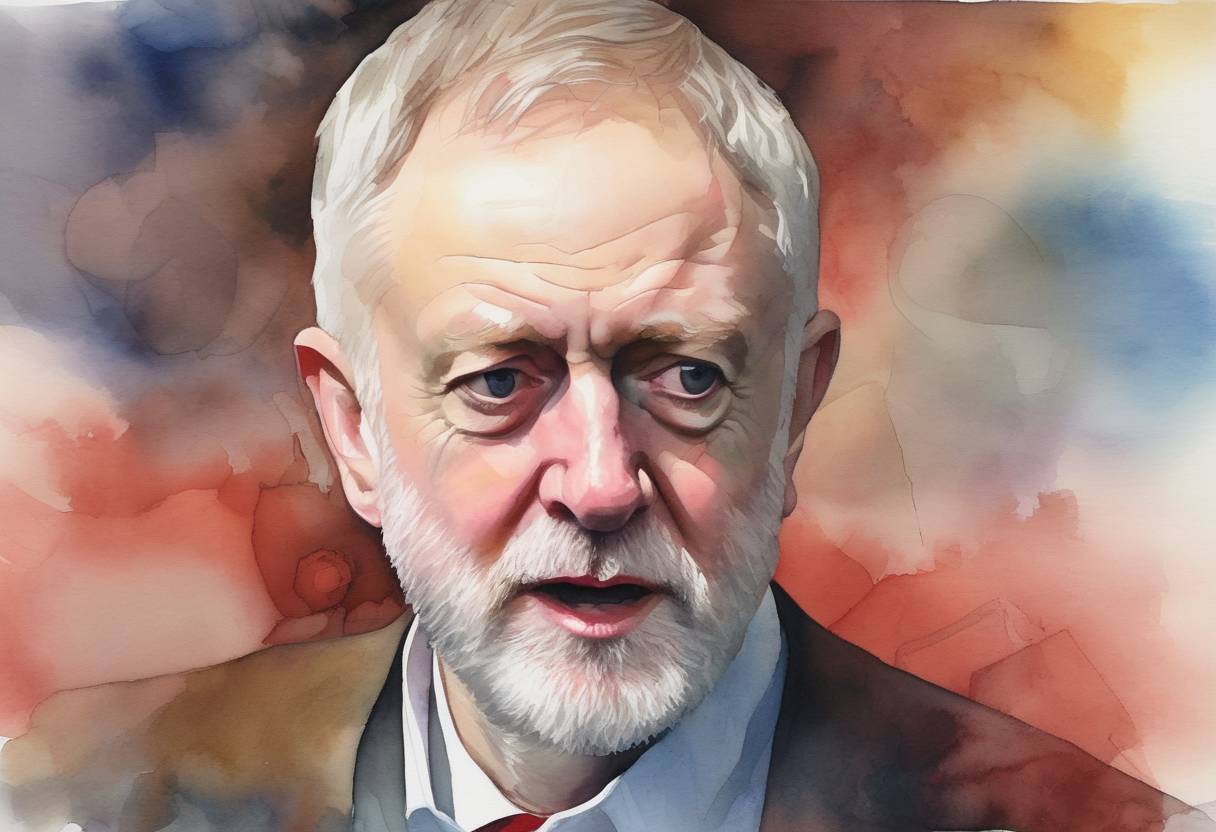
Jeremy Corbyn Elected Leader of the UK Labour Party
On September 12, 2015, Jeremy Corbyn was elected as the leader of the UK Labour Party, marking a significant shift in the party’s direction towards more left-wing policies. This event was pivotal in British politics, as it represented a departure from the centrist policies that had characterized the Labour Party under previous leaders like Tony Blair and Gordon Brown.
Background
Before Corbyn’s election, the Labour Party had experienced a period of introspection following its defeat in the 2015 general election. The party had been led by Ed Miliband, who resigned after the loss. The leadership contest that followed saw Corbyn, a long-serving Member of Parliament for Islington North since 1983, emerge as a candidate who was initially considered a long shot.
Corbyn was known for his strong socialist views, advocating for policies such as the renationalization of public services, increased taxation on the wealthy, and a more pacifist foreign policy stance. His candidacy gained momentum through grassroots support and the backing of trade unions, appealing to many party members who were disillusioned with the party’s centrist trajectory.
The Leadership Election
The leadership election was conducted under a new “one member, one vote” system, which allowed all party members, registered supporters, and affiliated supporters to vote. This system played a crucial role in Corbyn’s victory, as it enabled a broader base of support, particularly from younger members and those newly engaged in politics.
Corbyn won the leadership contest with a decisive 59.5% of the vote in the first round, defeating other candidates such as Andy Burnham, Yvette Cooper, and Liz Kendall. His victory was seen as a mandate for change within the party, reflecting a desire among many members for a return to more traditional Labour values.
Impact and Significance
Corbyn’s election as leader had several immediate and long-term impacts:
Policy Shift: Under Corbyn, the Labour Party adopted more left-wing policies, focusing on social justice, anti-austerity measures, and public ownership. This shift was a significant departure from the “New Labour” era.
Party Dynamics: Corbyn’s leadership led to divisions within the party, with some MPs and senior figures expressing concern over his leadership style and policy direction. This tension resulted in challenges to his leadership, including a vote of no confidence in 2016, which he survived.
Electoral Performance: Corbyn led the Labour Party through two general elections. In the 2017 election, Labour performed better than expected, gaining seats and increasing its share of the vote. However, in the 2019 election, the party suffered a significant defeat, leading to Corbyn’s resignation as leader.
Broader Political Landscape: Corbyn’s leadership influenced the broader political discourse in the UK, bringing issues such as income inequality, climate change, and public ownership to the forefront of political debate.
Conclusion
Jeremy Corbyn’s election as leader of the Labour Party on September 12, 2015, was a transformative moment in British politics. It highlighted the internal divisions within the party and the broader ideological debates about the direction of left-wing politics in the UK. His tenure as leader remains a subject of significant discussion and analysis in the context of contemporary British political history.