The Six-Day War Ceasefire: June 10, 1967
1967 · Middle East, Israel
The Six-Day War ended with Israel and its neighboring states agreeing to a ceasefire.
June 8, 1967
The USS Liberty incident occurs during the Six-Day War, when Israeli forces attack the American naval vessel, resulting in casualties.
Mediterranean Sea, International Waters | Israeli Defense Forces
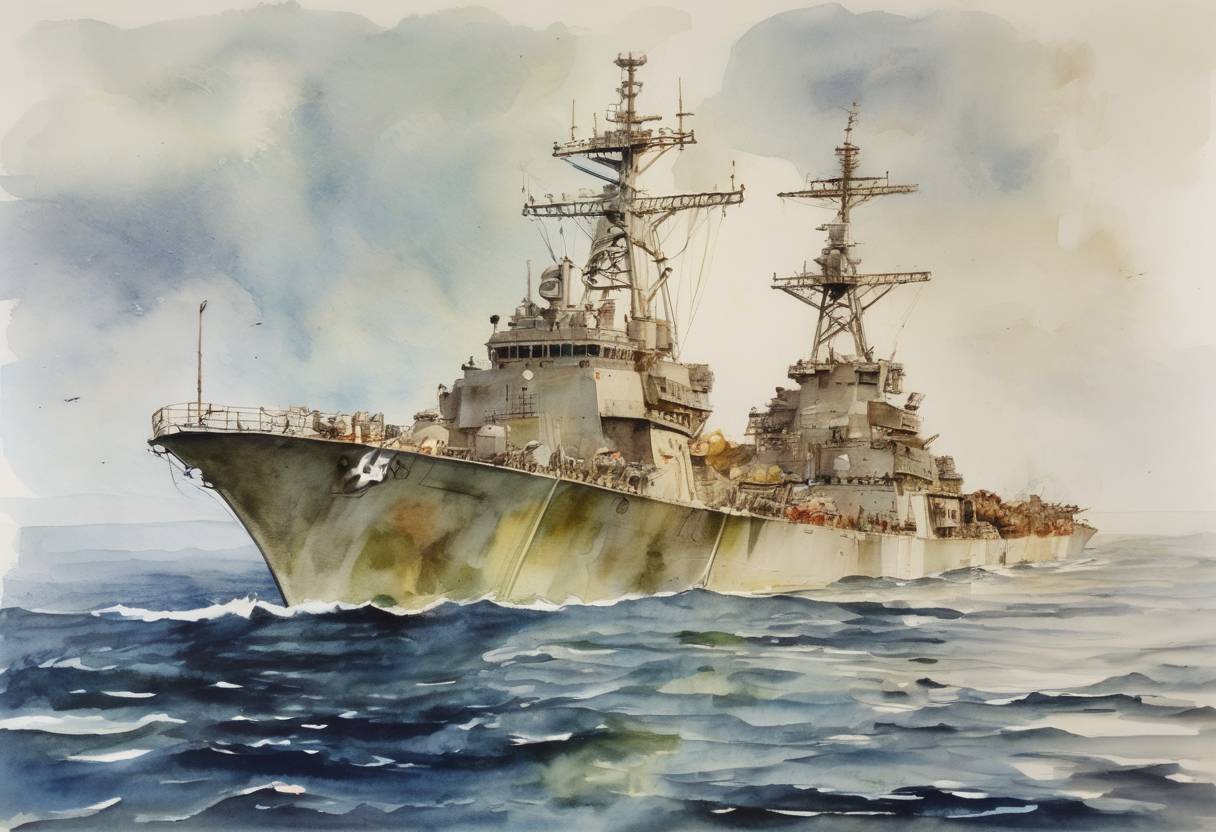
The USS Liberty incident is a significant and controversial event that occurred during the Six-Day War, a conflict between Israel and several Arab nations, including Egypt, Jordan, and Syria. On June 8, 1967, the American naval intelligence vessel USS Liberty was attacked by Israeli forces, resulting in casualties and diplomatic tensions.
The Six-Day War began on June 5, 1967, when Israel launched preemptive strikes against Egypt, following escalating tensions and threats from neighboring Arab countries. The conflict quickly expanded to include Jordan and Syria, with Israel achieving rapid military victories.
The USS Liberty, a technical research ship of the United States Navy, was stationed in international waters in the Eastern Mediterranean. Its mission was to collect electronic intelligence and monitor communications in the region, a task unrelated to the ongoing conflict.
On June 8, 1967, Israeli aircraft and torpedo boats attacked the USS Liberty. The assault involved:
The attack lasted approximately 25 minutes, resulting in the deaths of 34 crew members and wounding 171 others. The ship sustained severe damage but remained afloat, and the crew managed to send distress signals, eventually receiving assistance from nearby American forces.
The Israeli government quickly issued an apology, stating that the attack was a tragic mistake. They claimed that the USS Liberty had been misidentified as an Egyptian vessel, and the attack was not intentional. The United States accepted the apology, and Israel paid compensation to the victims’ families and for the damage to the ship.
Despite the official explanations, the incident remains controversial. Some crew members and critics argue that the attack was deliberate, citing the ship’s clear identification markings and the extended duration of the assault. Various investigations have been conducted, but the true motivations behind the attack remain a topic of debate.
The USS Liberty incident had several implications:
In summary, the USS Liberty incident is a complex episode in the history of the Six-Day War, marked by tragedy, controversy, and enduring questions about the nature of military engagements and international diplomacy.
Source: en.wikipedia.org