Operation Mountain Storm: May 15, 2004
2004 · Khost, Afghanistan
Armed forces of the United States launched Operation Mountain Storm in Afghanistan, aimed at eliminating Taliban and Al-Qaeda forces in the region.
July 2, 2008
Colombian military forces rescued 15 hostages, including Ingrid Betancourt, from the Revolutionary Armed Forces of Colombia (FARC) in Operation Jaque.
Guaviare, Colombia | Colombian Armed Forces
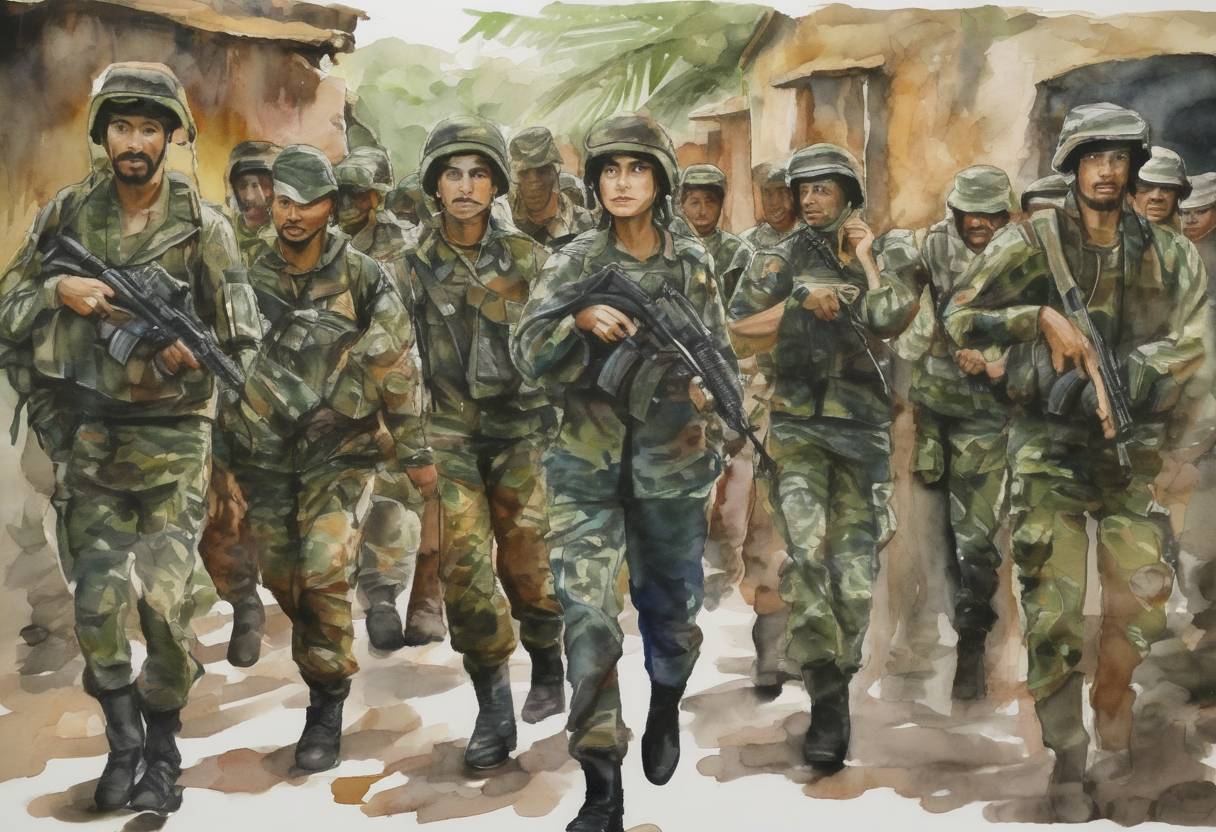
On July 2, 2008, the Colombian military executed a daring and meticulously planned rescue operation known as Operation Jaque, which successfully freed 15 hostages held by the Revolutionary Armed Forces of Colombia (FARC). Among the rescued were Ingrid Betancourt, a former Colombian senator and presidential candidate, and three American defense contractors.
The FARC, a Marxist-Leninist guerrilla group, had been engaged in an armed conflict with the Colombian government since the 1960s. Over the years, the FARC became notorious for its use of kidnapping as a tactic to exert pressure on the government and secure ransom payments. Ingrid Betancourt was kidnapped by the FARC in February 2002 while campaigning for the presidency in a region known for guerrilla activity. The three American contractors—Marc Gonsalves, Thomas Howes, and Keith Stansell—were captured in 2003 after their surveillance plane crashed in the Colombian jungle.
Operation Jaque was the culmination of months of intelligence gathering and strategic planning by the Colombian military. The operation involved a clever ruse: Colombian military intelligence agents infiltrated the FARC and convinced the guerrillas that they were part of a humanitarian organization that would transfer the hostages to a new location. The plan was executed without a single shot being fired.
Operation Jaque was hailed as a major victory for the Colombian government and a significant blow to the FARC. The successful rescue demonstrated the effectiveness of Colombian military intelligence and marked a turning point in the country’s long-standing conflict with the guerrilla group.
Operation Jaque remains one of the most celebrated military operations in Colombian history, symbolizing the country’s resilience and commitment to ending decades of conflict.
Source: www.bbc.com