The Opening of The Shard in London
2013 · London, United Kingdom
The Shard, the tallest building in the European Union at the time, was officially opened to the public in London, UK.
December 31, 2009
The Burj Khalifa, the tallest man-made structure in the world, was completed in Dubai, United Arab Emirates. It officially opened on January 4, 2010.
Dubai, United Arab Emirates | Emaar Properties
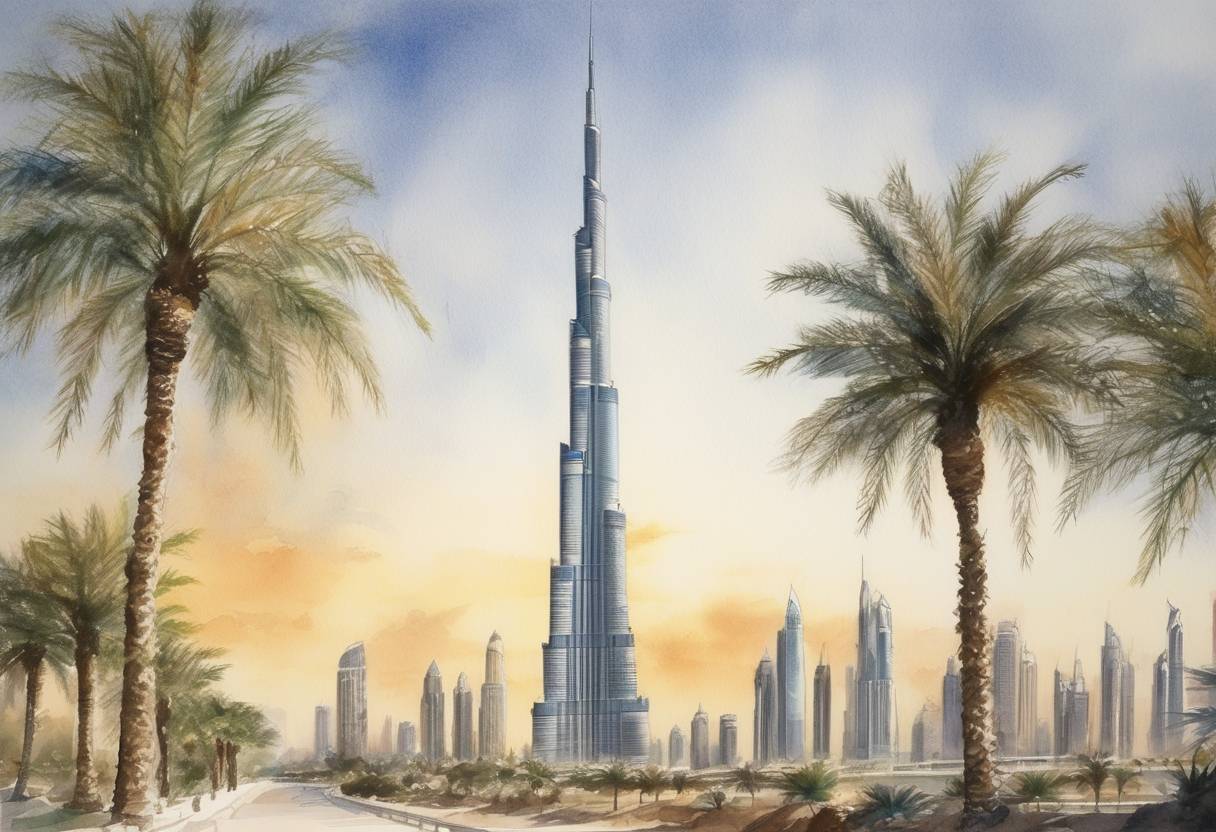
The Burj Khalifa, a marvel of modern engineering and architecture, stands as the tallest man-made structure in the world. Officially completed and opened on January 4, 2010, this iconic skyscraper is located in Dubai, United Arab Emirates. However, the construction reached its structural completion by December 31, 2009, marking the end of a remarkable journey in architectural achievement.
Planning and Design: The Burj Khalifa was designed by the renowned architectural firm Skidmore, Owings & Merrill, with Adrian Smith as the chief architect and Bill Baker as the chief structural engineer. The design was inspired by the Hymenocallis flower, incorporating Islamic architectural elements.
Construction Timeline: The construction of the Burj Khalifa began on January 6, 2004. Over the next six years, it involved a global team of over 12,000 workers and engineers. The project was developed by Emaar Properties, a leading real estate developer in the UAE.
Structural Details: The Burj Khalifa stands at a staggering height of 828 meters (2,717 feet) with 163 floors. It utilized a bundled tube design, which provides stability and allows for the building’s immense height. The structure required approximately 330,000 cubic meters of concrete and 39,000 tonnes of steel reinforcement.
Economic and Cultural Impact: The completion of the Burj Khalifa was a significant milestone for Dubai, symbolizing the city’s rapid growth and ambition to be a global hub for tourism and business. It attracted international attention and became a major tourist attraction, boosting the local economy.
Architectural Achievement: The Burj Khalifa set new benchmarks in skyscraper design and construction, influencing future projects around the world. It demonstrated advancements in engineering techniques and materials, pushing the boundaries of what was previously thought possible in high-rise construction.
Cultural Symbol: Beyond its physical presence, the Burj Khalifa has become a cultural icon, representing human ingenuity and the spirit of innovation. It is frequently used as a backdrop for events and celebrations, including the annual New Year’s Eve fireworks display.
The completion of the Burj Khalifa on December 31, 2009, marked the culmination of years of planning, design, and construction. Its official opening on January 4, 2010, heralded a new era for Dubai and the world of architecture. As the tallest structure on the planet, the Burj Khalifa continues to inspire awe and admiration, standing as a testament to human achievement and ambition.
Source: www.burjkhalifa.ae