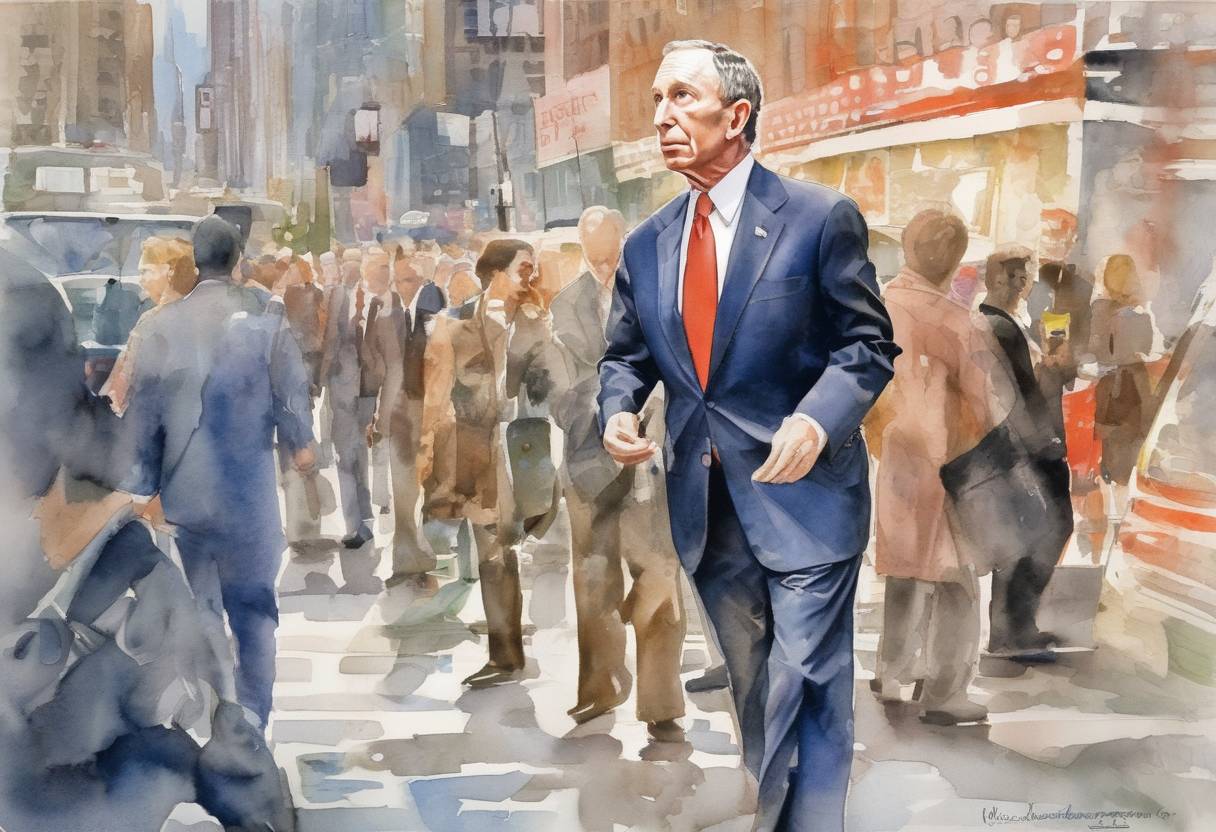
Michael Bloomberg Elected as Mayor of New York City
On November 6, 2001, Michael Bloomberg was elected as the 108th Mayor of New York City, succeeding Rudy Giuliani. Bloomberg, a billionaire businessman and philanthropist, ran as a Republican, although he later became an independent and served three terms as mayor.
Context and Background
Rudy Giuliani’s Tenure: Rudy Giuliani, who served as mayor from 1994 to 2001, was widely recognized for his leadership during the September 11 attacks, which occurred just two months before the election. His tenure was marked by significant reductions in crime and improvements in the city’s quality of life.
Bloomberg’s Candidacy: Michael Bloomberg, the founder of Bloomberg L.P., entered the political arena with no prior experience in public office. His campaign focused on continuing Giuliani’s policies on crime and economic development, as well as his own vision for education reform and fiscal responsibility.
The 2001 Election
Campaign Challenges: The election took place in the aftermath of the September 11 attacks, which had a profound impact on the city and its residents. Bloomberg’s opponent, Democrat Mark Green, was initially favored to win. However, Bloomberg’s substantial personal wealth allowed him to outspend Green significantly, which helped him gain visibility and support.
Election Results: Bloomberg won the election by a narrow margin, securing approximately 50.3% of the vote compared to Green’s 47.9%. His victory was attributed to his effective campaign strategy and the endorsement of outgoing Mayor Giuliani, who had high approval ratings at the time.
Bloomberg’s Tenure as Mayor
First Term (2002-2005): Bloomberg focused on economic recovery post-9⁄11, education reform, and public health initiatives. He implemented a smoking ban in bars and restaurants and introduced the 311 non-emergency hotline.
Second Term (2006-2009): His administration emphasized sustainability, launching PlaNYC to address environmental issues. He also tackled public health by promoting healthier lifestyles and expanding access to healthcare.
Third Term (2010-2013): Bloomberg’s third term saw continued focus on public health, education, and infrastructure. He controversially extended the city’s term limits law to allow for a third term, which faced criticism but was ultimately successful.
Broader Historical Significance
Impact on New York City: Bloomberg’s tenure is noted for its emphasis on data-driven governance and public health initiatives. His policies contributed to the city’s economic recovery and growth, as well as improvements in public safety and education.
Legacy: Bloomberg’s time as mayor set a precedent for the role of business leaders in politics, showcasing how private sector experience can influence public administration. His leadership style and policies continue to be studied and debated in the context of urban governance.
Michael Bloomberg’s election and subsequent terms as mayor left a lasting impact on New York City, shaping its trajectory in the early 21st century and influencing urban policy discussions nationwide.