Sierra Leone Becomes a Republic: April 19, 1971
1971 · Freetown, Sierra Leone
Sierra Leone becomes a republic, with Siaka Stevens as its first president.
April 27, 1961
Sierra Leone gained independence from the United Kingdom.
Freetown, Sierra Leone | United Kingdom
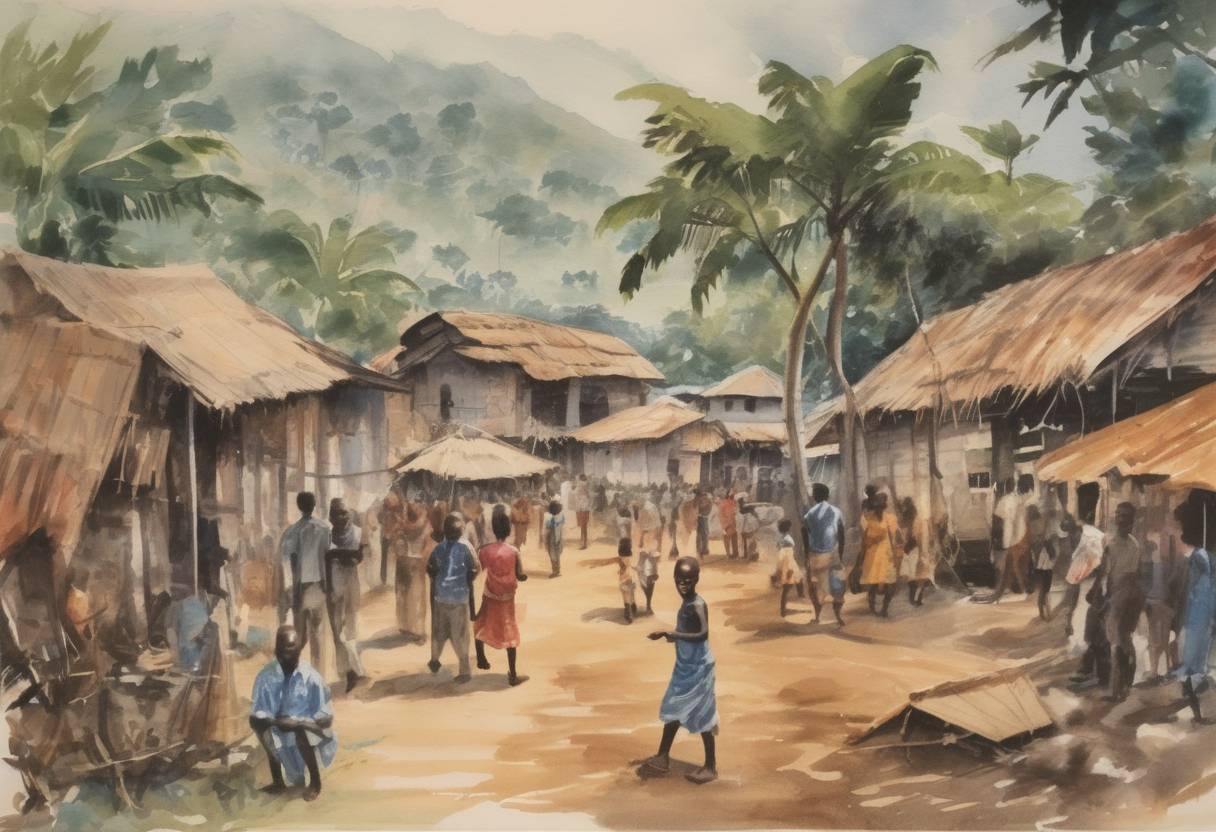
On April 27, 1961, Sierra Leone achieved independence from British colonial rule, marking a significant milestone in the country’s history and the broader decolonization movement across Africa.
Sierra Leone’s path to independence was shaped by a complex history of colonialism and local resistance. The region, rich in natural resources and strategically located, attracted European interest as early as the 15th century. The British established a colony in Freetown in 1787, initially as a settlement for freed African American slaves and Black Loyalists from Nova Scotia. Over time, the British expanded their control over the interior, formalizing the Protectorate of Sierra Leone in 1896.
The push for independence gained momentum after World War II, as nationalist movements swept across Africa. In Sierra Leone, political activism increased, with the formation of several political parties advocating for self-governance. The Sierra Leone People’s Party (SLPP), founded by Milton Margai in 1951, emerged as a leading force in the independence movement.
Key developments leading to independence included:
On April 27, 1961, Sierra Leone officially became an independent nation within the Commonwealth. Sir Milton Margai became the country’s first Prime Minister, leading a parliamentary democracy. The Union Jack was lowered, and the new national flag of Sierra Leone was raised, symbolizing the end of colonial rule and the beginning of a new era.
Independence brought both opportunities and challenges for Sierra Leone. The country embarked on building its national identity and institutions. However, like many newly independent African nations, Sierra Leone faced issues such as political instability, economic challenges, and social divisions.
The significance of Sierra Leone’s independence extends beyond its borders, as it was part of a broader wave of decolonization that reshaped Africa in the mid-20th century. It inspired other African nations in their struggles for self-determination and highlighted the global shift towards the end of colonial empires.
In summary, Sierra Leone’s independence on April 27, 1961, was a pivotal moment in its history, marking the transition from colonial rule to self-governance and contributing to the broader narrative of African independence movements.
Source: en.wikipedia.org