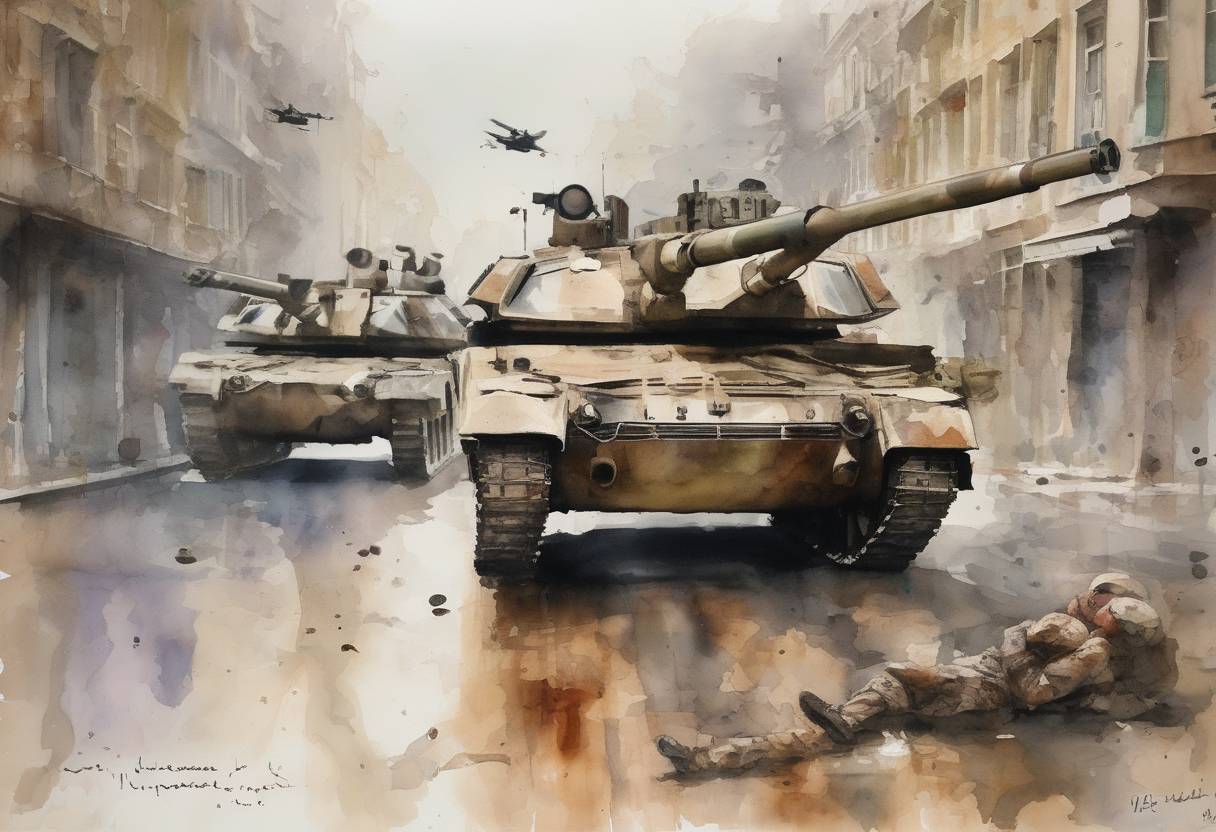
Lifting of the EU Arms Embargo on the Syrian Opposition - May 31, 2013
On May 31, 2013, the European Union (EU) made a significant policy shift by lifting its arms embargo on the Syrian opposition. This decision allowed EU member states to provide weapons to rebel groups fighting against the regime of Syrian President Bashar al-Assad. The move was part of a broader international response to the ongoing Syrian Civil War, which had begun in 2011 and had resulted in a humanitarian crisis and widespread violence.
Context Leading Up to the Decision
Syrian Civil War: The conflict in Syria began in March 2011 with anti-government protests as part of the wider Arab Spring movement. The situation quickly escalated into a full-scale civil war, with various opposition groups taking up arms against Assad’s government.
International Response: The international community was deeply divided on how to respond to the Syrian conflict. While some countries, like Russia and Iran, supported the Assad regime, others, including the United States and several EU nations, expressed support for the opposition.
Humanitarian Concerns: By 2013, the war had resulted in significant civilian casualties and displacement, prompting calls for increased international intervention to support the opposition and protect civilians.
The Decision to Lift the Embargo
EU Deliberations: The decision to lift the arms embargo followed intense discussions among EU member states. The UK and France were particularly vocal in advocating for the lifting of the embargo, arguing that it would help level the playing field for the opposition forces.
Conditions and Limitations: While the embargo was lifted, the EU emphasized that any arms supplied should be intended for the protection of civilians and in accordance with international law. The decision also left it to individual member states to decide whether to supply arms, meaning not all EU countries necessarily chose to do so.
Broader Implications
Impact on the Conflict: The lifting of the embargo was intended to strengthen the opposition’s position against Assad’s forces. However, it also raised concerns about the potential for increased militarization of the conflict and the risk of weapons falling into the hands of extremist groups.
Diplomatic Repercussions: The decision highlighted the divisions within the international community regarding the Syrian conflict. It also underscored the challenges of finding a unified approach to resolving the crisis.
Subsequent Developments: Despite the lifting of the embargo, the conflict in Syria continued for several more years, with various international actors becoming increasingly involved. The war has had lasting impacts on regional stability and global geopolitics.
In summary, the EU’s decision to lift the arms embargo on the Syrian opposition on May 31, 2013, was a pivotal moment in the international response to the Syrian Civil War. It reflected the complexities and challenges of addressing a protracted and multifaceted conflict.