Synthesis of LSD by Albert Hofmann
1938 · Basel, Switzerland
Swiss chemist Albert Hofmann first synthesizes LSD at Sandoz Laboratories in Basel, Switzerland, though its psychoactive properties are not discovered until 1943.
April 16, 1943
Albert Hofmann, a Swiss chemist, accidentally discovered the psychedelic effects of LSD when he unintentionally absorbed a small amount through his fingertips.
Basel, Switzerland | Sandoz Laboratories
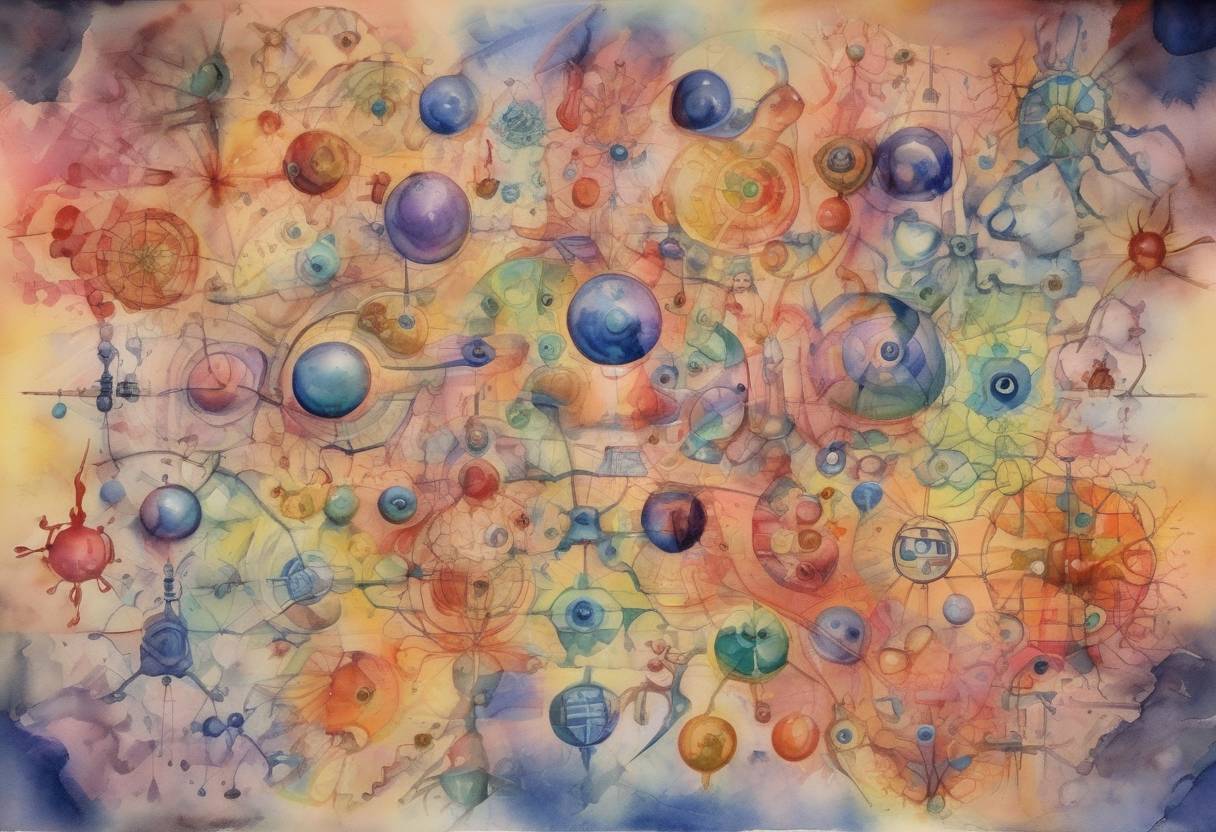
On April 16, 1943, Swiss chemist Albert Hofmann made a groundbreaking discovery that would have profound implications for both science and culture. While working at the Sandoz Laboratories in Basel, Switzerland, Hofmann accidentally discovered the psychedelic effects of lysergic acid diethylamide, commonly known as LSD.
Albert Hofmann was a skilled chemist with a keen interest in the medicinal properties of plants. He was working on synthesizing compounds for potential pharmaceutical use, focusing on ergot, a fungus that grows on rye and other grains. Hofmann first synthesized LSD-25 (the 25th derivative of lysergic acid) in 1938, but it was initially set aside due to a lack of significant pharmacological interest.
On April 16, 1943, while revisiting LSD-25, Hofmann unintentionally absorbed a small amount of the substance through his fingertips. This accidental exposure led to the first recorded experience of LSD’s potent psychedelic effects. Hofmann described experiencing an altered state of consciousness, characterized by vivid colors and shapes, a heightened sense of awareness, and a feeling of euphoria.
Intrigued by the experience, Hofmann conducted a self-experiment three days later, on April 19, 1943, ingesting a measured dose of 250 micrograms of LSD. This day, known as “Bicycle Day,” marks the first intentional LSD trip, named after Hofmann’s bicycle ride home during which he experienced intense visual and sensory hallucinations.
Hofmann’s discovery of LSD’s psychedelic properties opened new avenues for research into the mind and consciousness. In the following decades, LSD became a subject of scientific study for its potential therapeutic applications in psychiatry and psychology. It also played a significant role in the counterculture movements of the 1960s, influencing music, art, and social attitudes.
Albert Hofmann’s accidental discovery of LSD’s effects on April 16, 1943, remains a pivotal moment in the history of psychopharmacology. It highlighted the complex relationship between chemistry and human consciousness and continues to inspire research into the therapeutic potential of psychedelics today.
Source: en.wikipedia.org