July 22, 1942

The systematic deportation of Jews from the Warsaw Ghetto began, marking a significant escalation in the Holocaust.


Warsaw, Poland | Nazi Germany
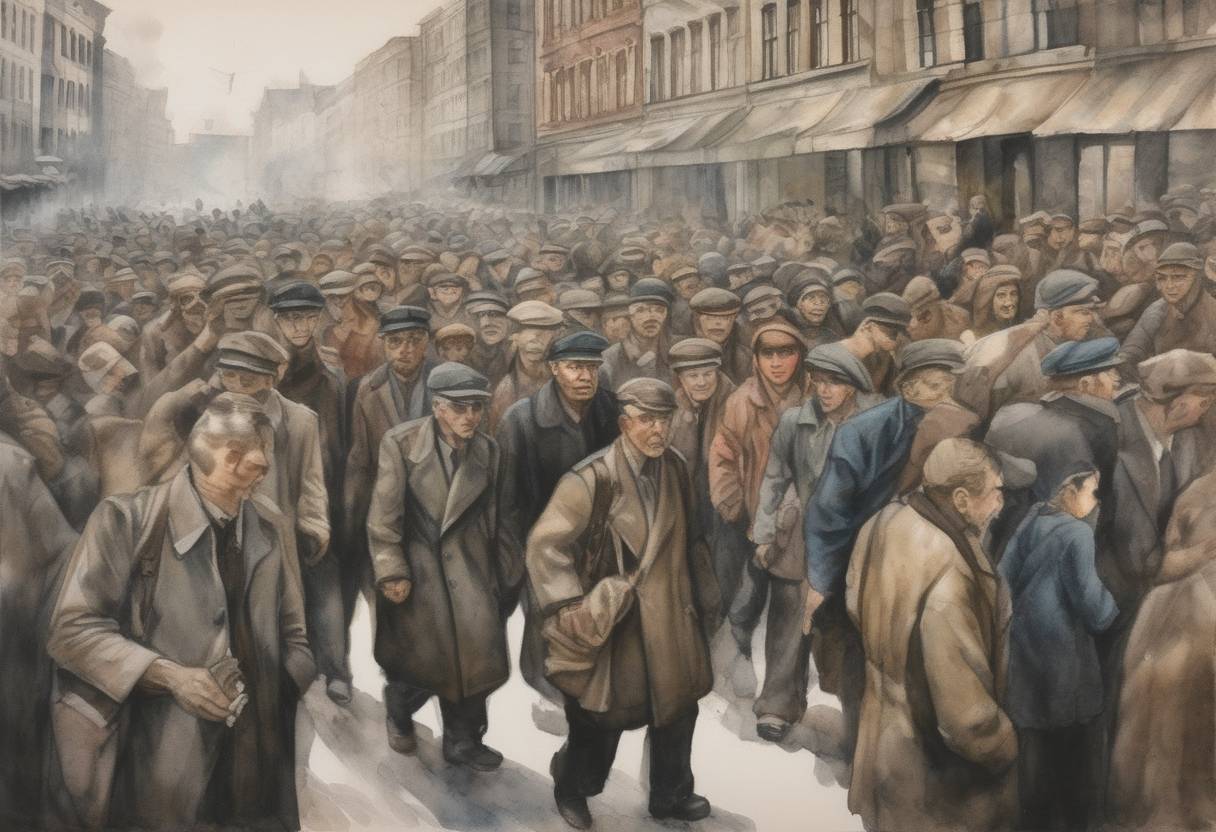
Watercolor painting based depiction of The systematic deportation of Jews from the Warsaw Ghetto began, marking a significant escalation in the Holocaust. (1942)

The Systematic Deportation of Jews from the Warsaw Ghetto

Date: July 22, 1942

Historical Context

The Warsaw Ghetto, established by Nazi Germany in October 1940, was the largest of all Jewish ghettos in Nazi-occupied Europe during World War II. Located in the Polish capital, it was a key part of the Nazis’ plan to isolate and persecute the Jewish population. By 1942, the ghetto housed over 400,000 Jews in deplorable conditions, with rampant overcrowding, starvation, and disease.

Key Events Leading Up to July 22, 1942

  • Nazi Occupation of Poland: Following the invasion of Poland in September 1939, the Nazis implemented a series of anti-Jewish measures, including the establishment of ghettos.
  • Wannsee Conference: In January 1942, senior Nazi officials met to coordinate the implementation of the “Final Solution,” a plan to exterminate the Jewish population of Europe.
  • Escalating Persecution: By mid-1942, the Nazis had begun mass deportations from other ghettos and concentration camps, signaling an intensification of their genocidal policies.

The Deportation Begins

On July 22, 1942, the systematic deportation of Jews from the Warsaw Ghetto commenced. This operation, known as the Grossaktion Warschau, was orchestrated by the SS and the German police. The deportations were a part of Operation Reinhard, the Nazi plan to exterminate Polish Jews.

  • Implementation: The Nazis ordered the Jewish Council (Judenrat) in the ghetto to facilitate the deportations. They were instructed to provide 6,000 Jews daily for “resettlement in the East.”
  • Deception and Coercion: The Nazis used deception, claiming that the deportees were being relocated for labor. In reality, they were being sent to the Treblinka extermination camp.
  • Scale of Deportation: Between July 22 and September 12, 1942, approximately 265,000 Jews were deported from the Warsaw Ghetto to Treblinka, where they were murdered.

Aftermath and Consequences

  • Decimation of the Ghetto: By the end of the deportations, the population of the Warsaw Ghetto had been drastically reduced. Only about 55,000 to 60,000 Jews remained.
  • Warsaw Ghetto Uprising: The mass deportations and the realization of the Nazis’ true intentions led to increased resistance within the ghetto. In April 1943, the remaining Jews staged the Warsaw Ghetto Uprising, a significant act of Jewish resistance during the Holocaust.
  • Holocaust Escalation: The deportations from the Warsaw Ghetto marked a significant escalation in the Holocaust, highlighting the Nazis’ commitment to the systematic extermination of Jews.

Broader Historical Significance

The deportation of Jews from the Warsaw Ghetto is a stark reminder of the horrors of the Holocaust and the extreme measures taken by the Nazi regime to annihilate the Jewish population. It underscores the importance of remembering and educating about these events to prevent future atrocities.

The events of July 22, 1942, and the subsequent months are a testament to the resilience and courage of those who resisted, as well as a somber reflection on the consequences of hatred and intolerance.