Creation of the Grand Canyon National Monument - January 11, 1908
1908 · Grand Canyon, USA
The Grand Canyon National Monument was created by U.S. President Theodore Roosevelt, protecting a large portion of the canyon under federal control.
February 26, 1919
President Woodrow Wilson signed an act of the U.S. Congress establishing the Grand Canyon National Park in Arizona.
Grand Canyon, United States | U.S. Congress
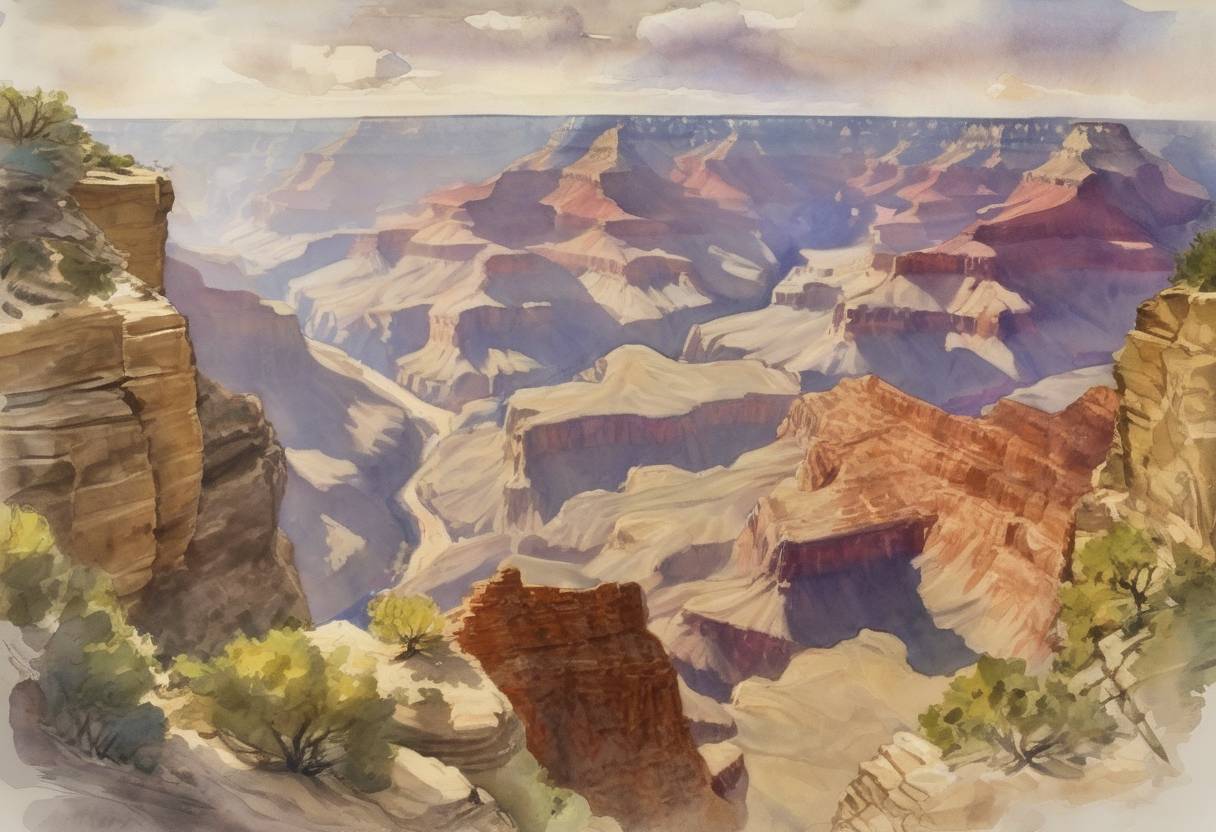
On February 26, 1919, President Woodrow Wilson signed an act of the U.S. Congress that officially established the Grand Canyon National Park in Arizona. This significant event marked a pivotal moment in the conservation movement in the United States, ensuring the protection of one of the nation’s most iconic natural landscapes.
The Grand Canyon, carved by the Colorado River over millions of years, is renowned for its immense size and its intricate and colorful landscape. The canyon’s geological significance and breathtaking beauty have long attracted attention. However, before its designation as a national park, the area faced threats from mining and development interests.
Despite these early efforts, the push to elevate the Grand Canyon to national park status faced opposition from those who sought to exploit its resources.
The act signed by President Wilson was the culmination of years of advocacy by conservationists and politicians who recognized the need to preserve the Grand Canyon for future generations. The establishment of the Grand Canyon National Park was a significant victory for the conservation movement, as it provided federal protection to the area, safeguarding it from commercial exploitation and ensuring its preservation.
The designation of the Grand Canyon as a national park was a landmark achievement in the history of American conservation. It underscored the growing recognition of the importance of preserving natural landscapes and set a precedent for future conservation efforts.
Today, the Grand Canyon National Park is one of the most visited national parks in the United States, attracting millions of visitors each year who come to experience its awe-inspiring vistas and rich history. The park’s establishment remains a testament to the enduring legacy of early 20th-century conservation efforts.
Source: en.wikipedia.org