The Capture of Madrid: March 28, 1939
1939 · Madrid, Spain
Spanish Civil War: Generalissimo Francisco Franco captured Madrid, effectively ending the Spanish Civil War with a Nationalist victory.
July 17, 1936
The Spanish Civil War began as a military uprising against the Republican government started in Spanish Morocco.
Melilla, Spanish Morocco | Spanish Nationalists
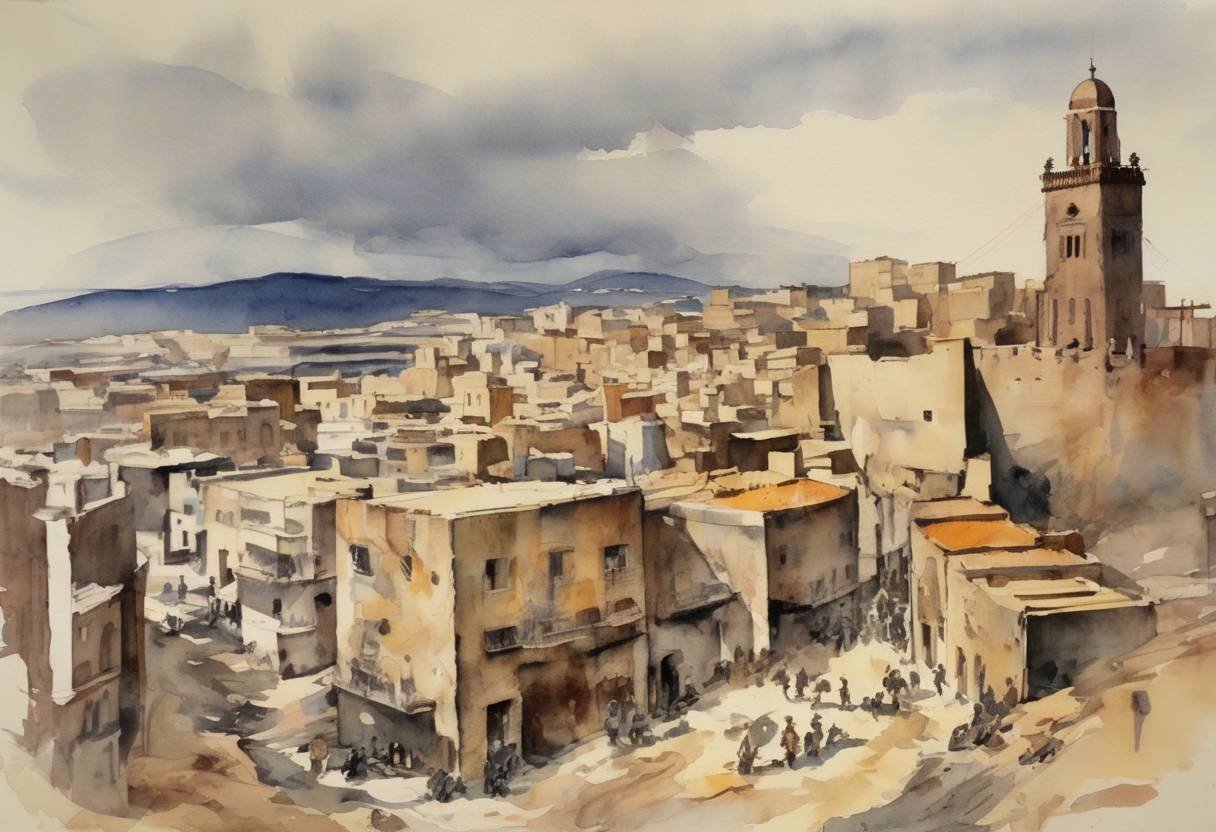
The Spanish Civil War, a significant conflict that shaped the course of 20th-century European history, began on July 17, 1936. This war was initiated by a military uprising against the Republican government of Spain, starting in Spanish Morocco.
The roots of the Spanish Civil War can be traced to deep-seated political, social, and economic tensions within Spain. The early 20th century was marked by instability, with frequent changes in government and a polarized society. The Second Spanish Republic, established in 1931, attempted to implement progressive reforms, including land redistribution, secularization, and military restructuring. However, these reforms were met with resistance from conservative factions, including monarchists, landowners, and the Catholic Church.
On July 17, 1936, a group of Spanish military officers, led by General Francisco Franco and other key figures such as Generals Emilio Mola and José Sanjurjo, initiated a coup against the Republican government. The uprising began in Spanish Morocco, where Franco had significant military support. The revolt quickly spread to mainland Spain, with varying degrees of success in different regions.
The Spanish Civil War lasted until April 1, 1939, resulting in a Nationalist victory and the establishment of Franco’s dictatorship, which lasted until his death in 1975. The war had profound consequences:
The Spanish Civil War is often seen as a precursor to World War II, with ideological battles between fascism and communism playing out on Spanish soil. It highlighted the fragility of democratic institutions in the face of extremist ideologies and set the stage for the broader conflicts that would engulf Europe in the following years.
The war remains a poignant reminder of the dangers of political polarization and the devastating impact of civil conflict.
Source: en.wikipedia.org