Eugene B. Ely's Historic Landing on the USS Pennsylvania
1911 · San Francisco, United States
Eugene B. Ely landed on the deck of the USS Pennsylvania stationed in San Francisco Bay, marking the first time an aircraft landed on a ship.
May 28, 1892
Sierra Club is founded by John Muir and a group of co-founders in San Francisco, California. It is one of the oldest, largest, and most influential grassroots environmental organizations in the United States.
San Francisco, United States | Sierra Club
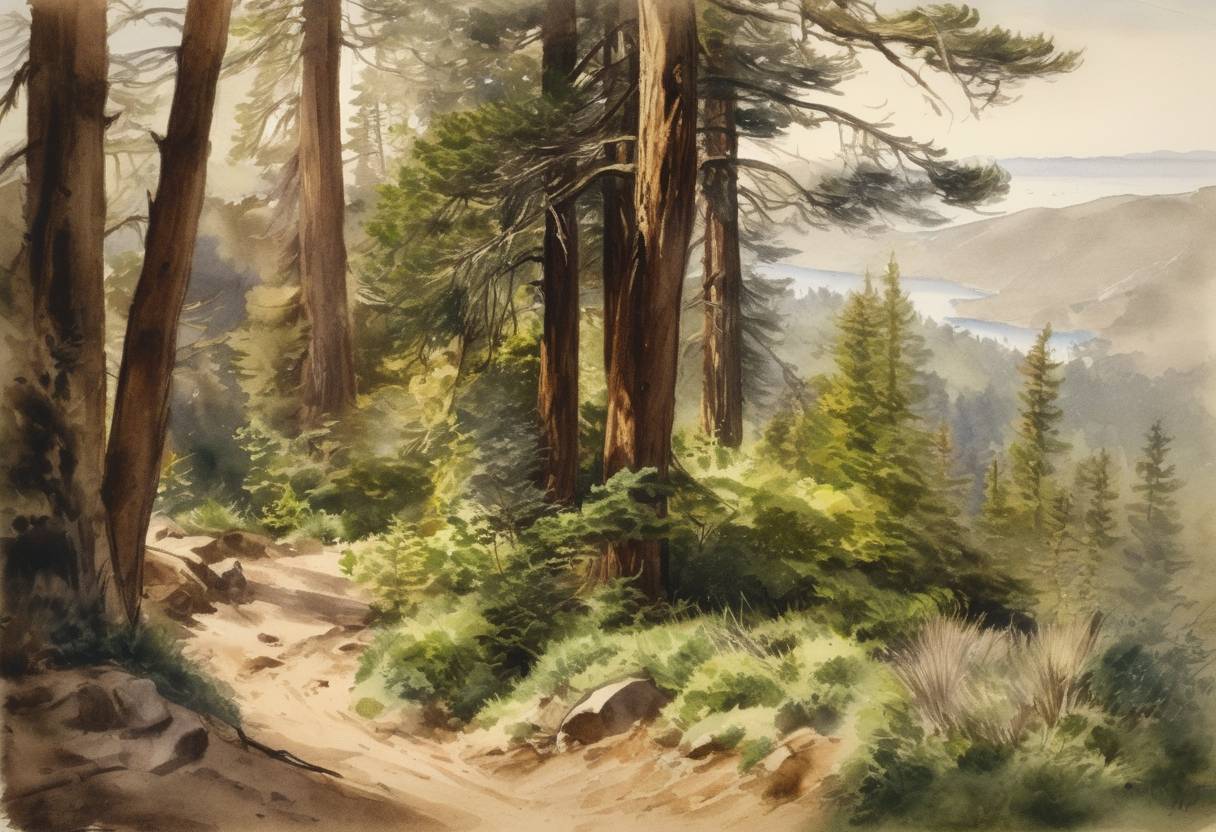
On May 28, 1892, the Sierra Club was founded in San Francisco, California. This significant event in the history of environmental conservation marked the beginning of one of the United States’ most influential grassroots environmental organizations. The Sierra Club was established at a time when the modern environmental movement was still in its infancy, playing a crucial role in advocating for the protection and preservation of the country’s natural landscapes.
The club’s founding was led by John Muir, a renowned naturalist and conservation advocate, who became the organization’s first president. Muir’s deep appreciation for the natural world and his influential writings helped raise public awareness about the importance of conserving wilderness areas. Alongside Muir, a group of prominent co-founders, consisting of professionals, scientists, and civic leaders, joined forces to establish the Sierra Club with a shared mission of environmental protection.
The primary goal of the Sierra Club at its inception was to promote the preservation of the Sierra Nevada, a mountain range in California famous for its stunning landscapes and biodiversity. One of their earliest conservation efforts sought to secure the protection of vast natural areas in the Sierra Nevada for future generations. Over time, the Sierra Club expanded its mission to encompass a broad range of environmental issues, advocating for sustainable development, clean air and water, and legislation that supports environmental protection.
The founding of the Sierra Club marked a pivotal moment in the evolution of environmental activism in the United States. As one of the first organizations dedicated to wilderness preservation, it set a precedent for later conservation efforts. The club’s grassroots approach empowered local communities to engage actively in environmental issues, fostering a sense of stewardship towards natural resources.
With its roots dating back to 1892, the Sierra Club has grown to become one of the largest and most effective environmental organizations in the world, with millions of members and supporters. Its actions have significantly influenced environmental policy and awareness, leaving a lasting impact on both natural landscapes and the broader cultural understanding of environmental sustainability.
The establishment of the Sierra Club remains a landmark event in the history of environmentalism, underscoring the enduring spirit of conservation and advocacy that continues to preserve the natural wonders of the United States and beyond.
Source: vault.sierraclub.org