Removal of Joseph Stalin's Body from Lenin's Mausoleum
1961 · Moscow, Soviet Union
Joseph Stalin's body is removed from Lenin's Mausoleum in Moscow as part of the de-Stalinization process.
March 27, 1958
Nikita Khrushchev became Soviet Premier, consolidating his power as both head of the Communist Party and the government.
Moscow, Soviet Union | Communist Party of the Soviet Union
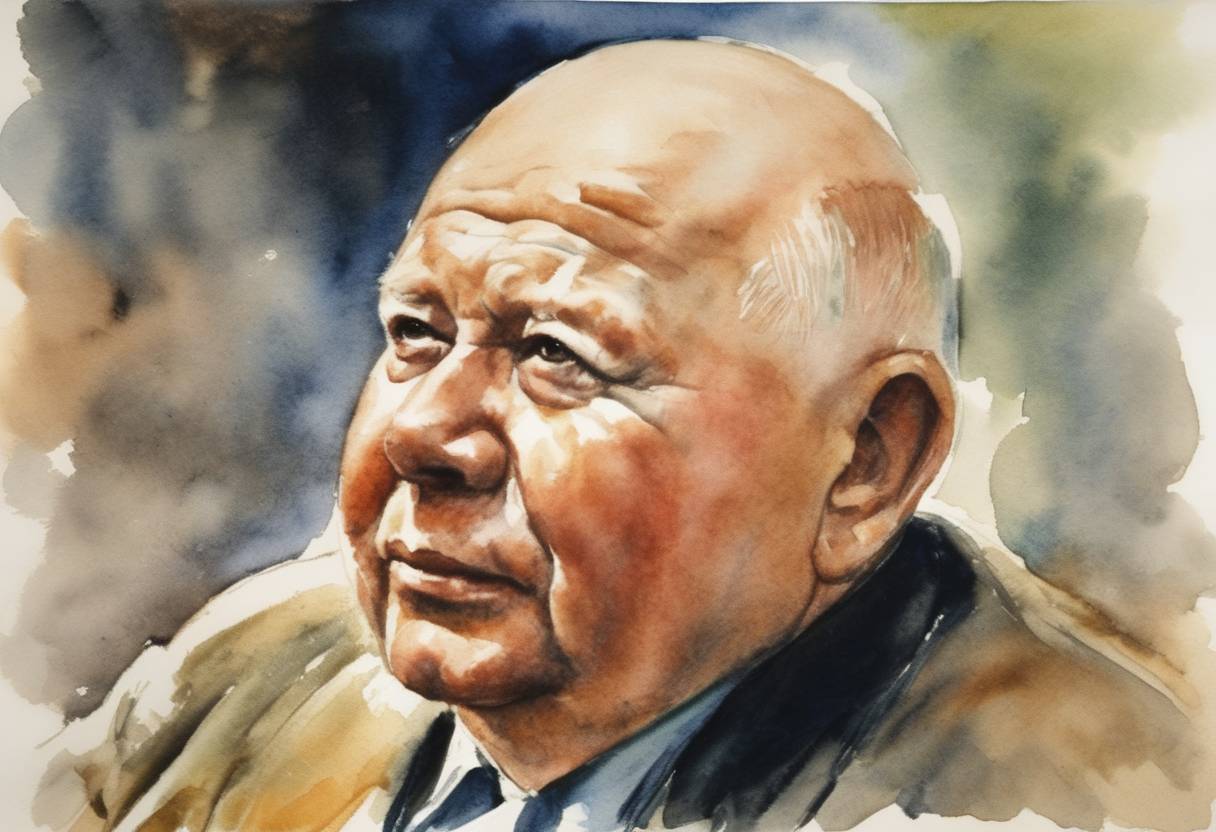
On March 27, 1958, Nikita Khrushchev achieved a significant consolidation of power within the Soviet Union by becoming the Premier, thus holding dual authority as both the head of the Communist Party and the government. This move marked a pivotal point in Soviet politics, reinforcing Khrushchev’s influence over the country’s comprehensive administrative and ideological apparatus.
In the years prior to 1958, Nikita Khrushchev had risen through the ranks of the Soviet political hierarchy. Following the death of Joseph Stalin in 1953, Khrushchev emerged as a central figure in the collective leadership that initially governed the USSR. He soon began outmaneuvering his rivals, cementing his leadership of the Communist Party by 1956.
Khrushchev’s term as First Secretary of the Communist Party was defined by his policies of de-Stalinization, which sought to dismantle the oppressive regime established by Stalin. This included reducing the power of the secret police, releasing prisoners from the Gulags, and conducting more open cultural policies.
By becoming the Premier on March 27, 1958, Khrushchev combined the roles of party leader and head of government, a feat that had not been achieved by any Soviet leader since Stalin. This dual role enabled him to drive both the party’s ideological direction and government policy, strengthening his reformist agenda.
The assumption of the premiership was a strategic move that solidified his power, as the Premier controlled the Council of Ministers, which was responsible for economic planning and administrative governance. This empowered Khrushchev to institute economic reforms, including those aimed at emphasizing consumer goods and agricultural production, deviating from the heavy industrial focus of previous administrations.
Khrushchev’s consolidation of power had profound implications for both domestic and international Soviet policy. Domestically, his efforts to reform agriculture through initiatives like the Virgin Lands Campaign were ambitious albeit problematic. Internationally, Khrushchev’s tenure was marked by the Cold War’s intensification, including confrontations such as the Cuban Missile Crisis.
Khrushchev’s political maneuvering and policy initiatives left a lasting impact on the Soviet Union. While his attempts at reform were met with mixed success and considerable internal opposition, his strategies and ideals laid groundwork that would influence Soviet leadership approaches for years to come. Ultimately, his dual leadership would come to an end in 1964 when he was ousted by party rivals, yet his legacy as a reformist leader during the Cold War era endures.