Timothy McVeigh Conviction: June 2, 1997
1997 · Denver, United States
Timothy McVeigh is convicted on 15 counts of murder and conspiracy for his role in the Oklahoma City bombing.
August 10, 1995
Oklahoma City bombing suspect Timothy McVeigh and accomplice Terry Nichols were indicted on 11 counts following the devastating April 19 attack.
Oklahoma City, United States | Federal Bureau of Investigation
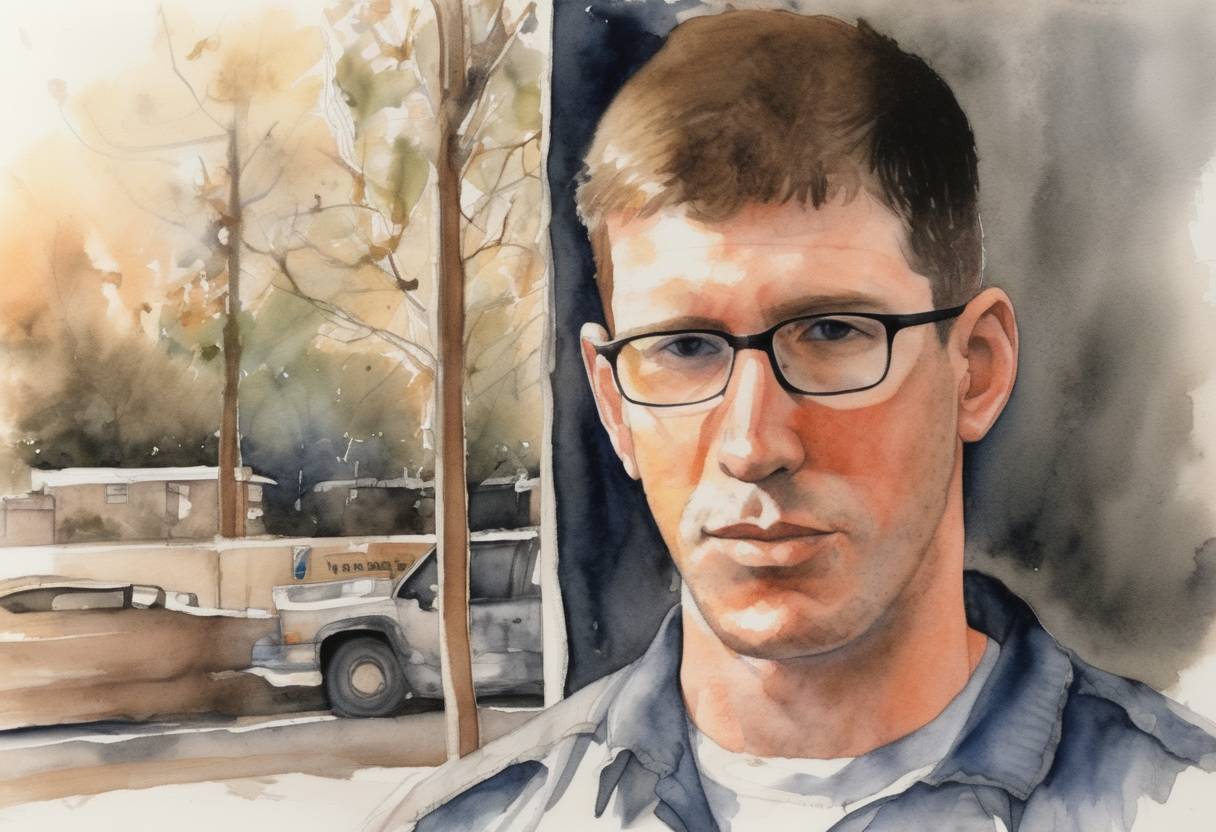
On August 10, 1995, Timothy McVeigh and his accomplice Terry Nichols were formally indicted on 11 counts related to their roles in the Oklahoma City bombing, a domestic terrorism attack that occurred on April 19, 1995. The bombing targeted the Alfred P. Murrah Federal Building and resulted in 168 deaths, including 19 children, and injured over 600.
The Oklahoma City bombing was the deadliest act of domestic terrorism in United States history at that time. The attack involved a truck bomb made of ammonium nitrate fertilizer and fuel oil, which detonated outside the federal building. Its motive was retaliation against the federal government, influenced by incidents such as the Waco Siege and Ruby Ridge.
Both McVeigh and Nichols were charged with:
The charges reflected the severity of the attack and the federal nature of the offenses. The indictment laid the groundwork for the legal proceedings that followed.
The trial of Timothy McVeigh commenced on April 24, 1997, resulting in his conviction on June 2, 1997. He was sentenced to death and executed on June 11, 2001. Terry Nichols was tried separately, and while he avoided the death penalty, he was sentenced to life imprisonment without the possibility of parole.
The indictment and subsequent trials of McVeigh and Nichols underscored the United States’ efforts to combat domestic terrorism. The federal response, increased security measures, and legislative developments in the aftermath marked an era of heightened awareness and preventive strategies against domestic threats. The tragedy and legal outcomes have been studied extensively as case studies in criminal justice and counterterrorism efforts.
Source: www.fbi.gov