U.S. Troops Arrive in Australia - March 26, 1942
1942 · Brisbane, Australia
The first U.S. troops arrive in Australia during World War II, marking the beginning of significant U.S. military presence.
March 20, 1942
General Douglas MacArthur, after evacuating from the Philippines during World War II, made his famous statement: 'I shall return'.
Adelaide, Australia | United States Army
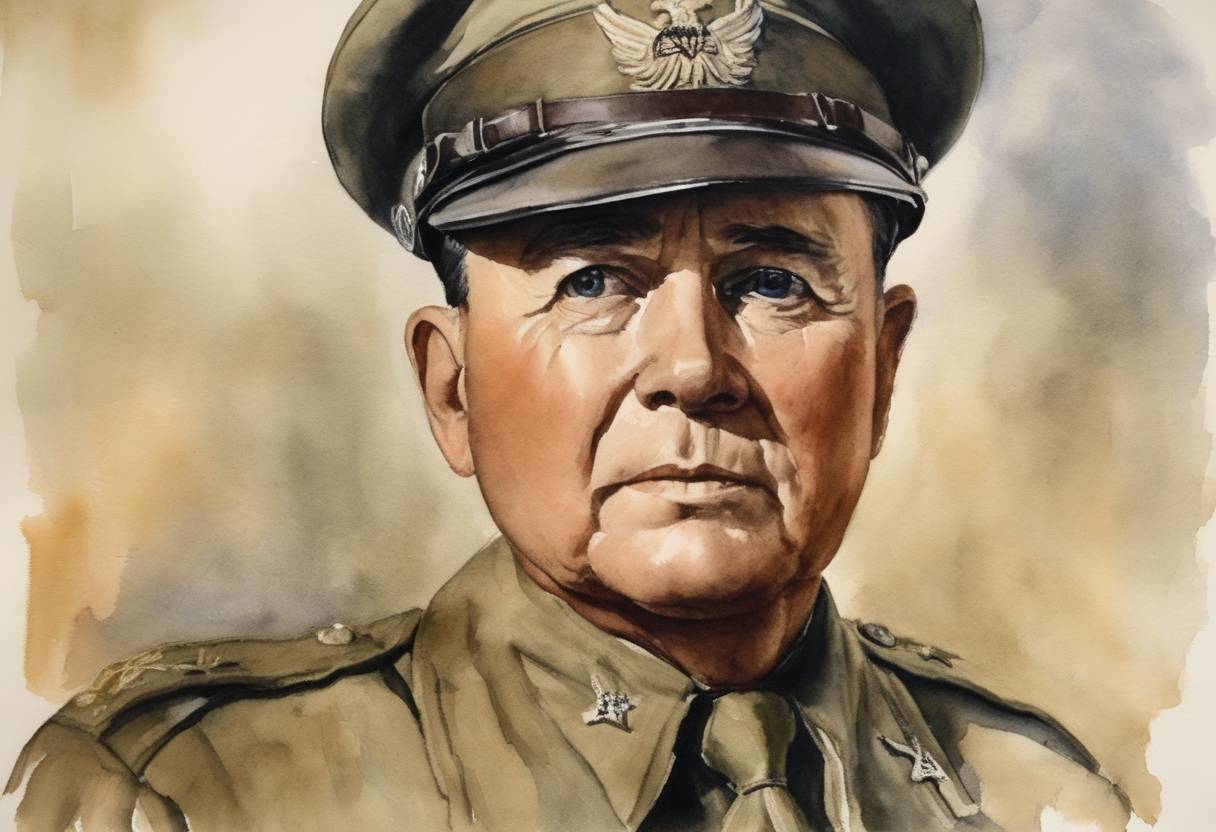
On March 20, 1942, General Douglas MacArthur, one of the key leaders in the Pacific Theater during World War II, made his iconic promise: “I shall return.” This statement came following his evacuation from the Philippines under the threat of Japanese advances during the early stages of the war.
The Japanese had launched a surprise attack on Pearl Harbor on December 7, 1941, which was followed by rapid military advances across the Pacific, including the invasion of the Philippines. At that time, the Philippines was a vital strategic location and was under American colonial rule. General MacArthur was in command of the United States Army Forces in the Far East, responsible for the defense of the Philippines.
Battle of the Philippines: The struggle for the Philippines began soon after the attack on Pearl Harbor. Despite valiant efforts by Filipino and American forces, Japanese forces quickly gained the upper hand due to superior resources and surprise.
Bataan and Corregidor: The defenders of the Philippines retreated to the Bataan Peninsula and the island fortress of Corregidor. Despite severe shortages of food, medicine, and ammunition, they held out against the Japanese onslaught for several months.
Evacuation Order: President Franklin D. Roosevelt, realizing the strategic necessity and possibly a symbolic gesture of leadership preservation, ordered MacArthur to leave the Philippines for Australia. This decision came amidst the increasingly dire situation in the Philippines, with the potential fall of Corregidor.
MacArthur secretly left Corregidor on PT boats to Mindanao and then flew to Australia. Upon reaching Australia, on March 20, 1942, he publicly made his famous pledge, emphasizing his determination to return and liberate the Philippines from Japanese occupation. This declaration became a powerful symbol of hope and resistance for both the Filipino people and the wider American public during the bleak early days of the Pacific War.
Moral Inspiration: “I shall return” inspired both American and Filipino forces throughout the Pacific War, symbolizing the resilience and commitment to eventual victory.
Return to the Philippines: True to his word, MacArthur returned to the Philippines in October 1944, leading the liberation campaign with the famous landing at Leyte. This marked a turning point in the Pacific War and played a critical role in the subsequent defeat of Japan.
Legacy: MacArthur’s statement has since become emblematic of determination and leadership. It highlights the resolve to overcome adversity and the commitment to allies.
The statement “I shall return” has endured as a powerful reminder of the tenacity and unity that characterized the Allied efforts during one of history’s most challenging conflicts.
Source: en.wikipedia.org