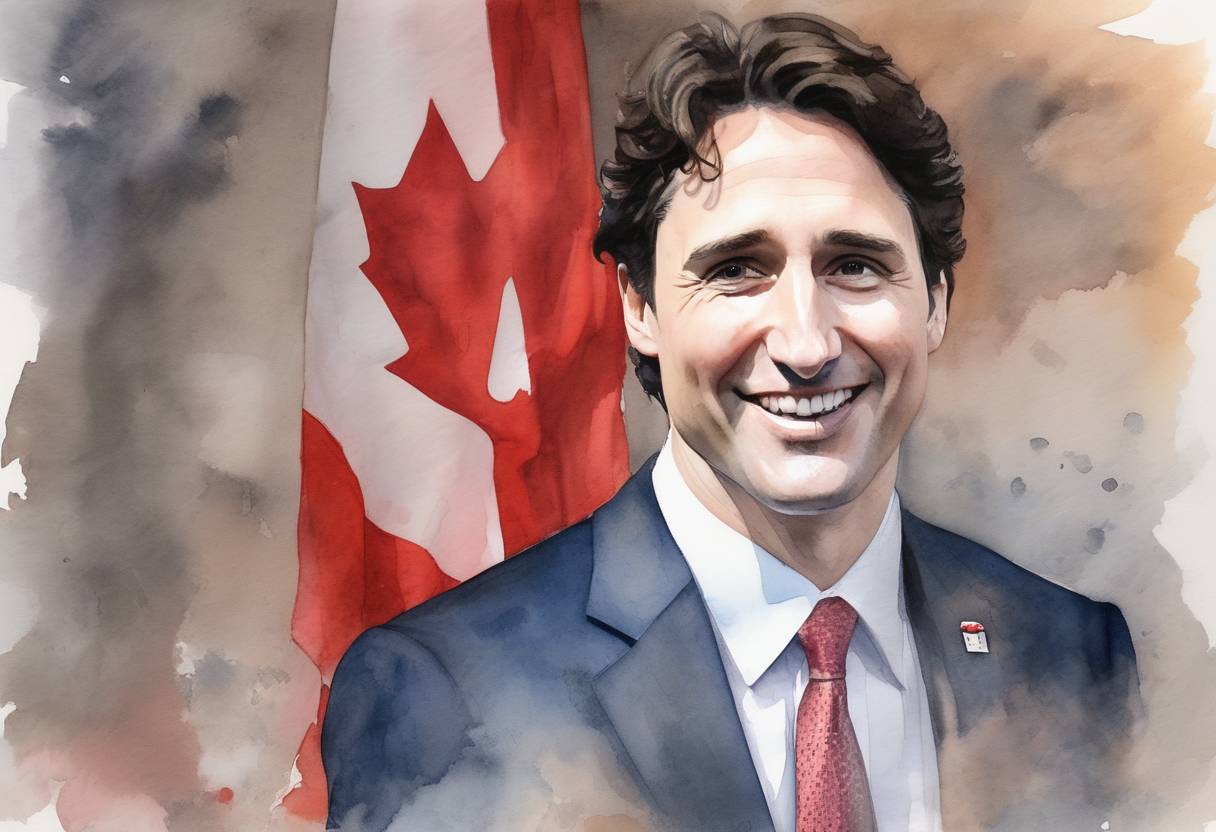
Justin Trudeau’s Election as Prime Minister of Canada
On October 20, 2015, Justin Trudeau, leader of the Liberal Party of Canada, was elected as the 23rd Prime Minister of Canada. This election marked a significant political shift in the country, ending nearly a decade of Conservative governance under Prime Minister Stephen Harper.
Context Leading Up to the Election
- Conservative Rule: Stephen Harper’s Conservative Party had been in power since 2006, focusing on economic policies, tax cuts, and a strong stance on national security.
- Liberal Party Leadership: Justin Trudeau became the leader of the Liberal Party in April 2013. The son of former Prime Minister Pierre Trudeau, Justin sought to revitalize the party, which had suffered significant losses in the 2011 federal election.
- Campaign Themes: The Liberal campaign focused on themes of “real change,” promising to invest in infrastructure, reform the electoral system, and improve environmental policies. Trudeau’s message of hope and inclusivity resonated with many Canadians.
Key Events of the Election
- Election Campaign: The 2015 federal election campaign was one of the longest in Canadian history, lasting 78 days. It featured debates on economic management, social policies, and Canada’s role on the international stage.
- Liberal Surge: Throughout the campaign, the Liberals gained momentum, appealing to a broad base of voters, including younger Canadians and those seeking change from Conservative policies.
- Election Results: On election day, the Liberal Party won 184 out of 338 seats in the House of Commons, securing a majority government. This was a dramatic increase from the 36 seats they held before the election.
Aftermath and Significance
- End of Conservative Era: The election result ended Stephen Harper’s tenure as Prime Minister, and he subsequently resigned as the leader of the Conservative Party.
- Trudeau’s Mandate: Trudeau’s government focused on fulfilling campaign promises, including legalizing cannabis, enhancing Canada’s climate change policies, and promoting gender equality in the cabinet.
- Impact on Canadian Politics: Trudeau’s victory was seen as a return to centrist policies and a shift towards progressive values in Canadian politics. It also highlighted the importance of engaging younger voters and addressing diverse societal needs.
Broader Historical Significance
- International Relations: Trudeau’s leadership marked a renewed emphasis on multilateralism and strengthening Canada’s role in international organizations such as the United Nations.
- Domestic Policies: The Liberal government’s policies on immigration, indigenous rights, and social welfare reflected a broader commitment to inclusivity and diversity.
Justin Trudeau’s election as Prime Minister in 2015 was a pivotal moment in Canadian history, representing a shift in political direction and setting the stage for significant policy changes in the years that followed.