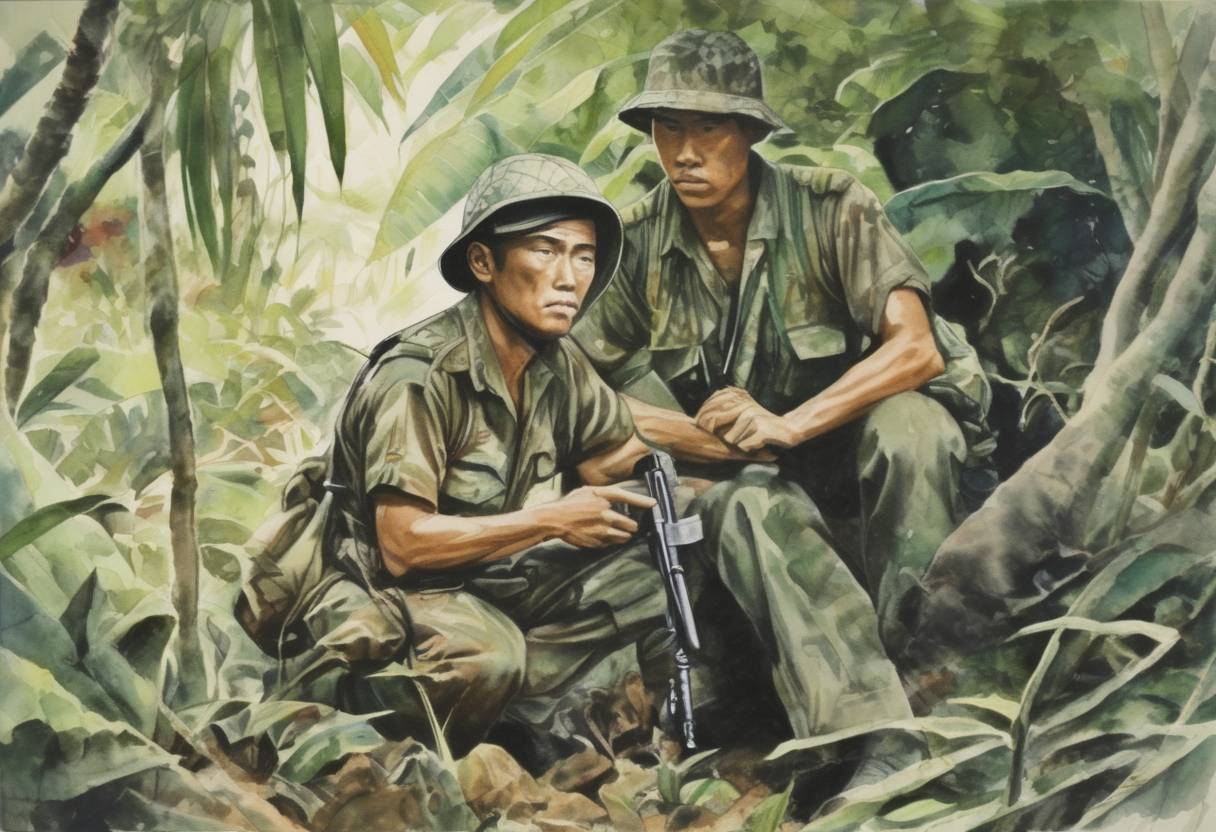
Discovery of Shoichi Yokoi: January 24, 1972
On January 24, 1972, Shoichi Yokoi, a Japanese soldier, was discovered on the island of Guam, having spent 28 years hiding in the jungle, unaware that World War II had ended. This remarkable event highlighted the enduring impact of the war and the personal stories of soldiers who remained isolated long after the conflict had concluded.
Background
- World War II in the Pacific: During World War II, Guam was a strategic location in the Pacific theater. It was occupied by Japanese forces in 1941 and later recaptured by American forces in 1944.
- Shoichi Yokoi: Born in 1915 in Aichi Prefecture, Japan, Yokoi was conscripted into the Imperial Japanese Army in 1941. He was deployed to Guam in 1943 as part of the 38th Infantry Regiment.
Key Events Leading to His Discovery
- The Fall of Guam: After the American recapture of Guam in 1944, many Japanese soldiers were killed or captured. However, some, like Yokoi, went into hiding in the island’s dense jungles.
- Survival in Isolation: Yokoi survived by foraging for food and using his military training to remain undetected. He crafted tools and clothing from natural materials and lived in a cave-like shelter.
- Avoidance of Capture: Despite leaflets dropped by American forces announcing the end of the war, Yokoi, like other holdouts, believed they were enemy propaganda and chose to remain hidden.
Discovery and Aftermath
- Discovery: On January 24, 1972, Yokoi was found by two local hunters, Jesus Duenas and Manuel De Gracia, near the Talofofo River. Initially fearing for his life, Yokoi was eventually convinced to return with them.
- Return to Japan: Yokoi’s return to Japan was met with significant media attention. He was hailed as a symbol of perseverance and dedication, though he expressed regret for not having served his country to the end.
- Cultural Impact: Yokoi’s story became emblematic of the lingering effects of World War II and the personal sacrifices made by soldiers. It also highlighted the complexities of war and the human capacity for survival.
Broader Historical Significance
- Japanese Holdouts: Yokoi was one of several Japanese holdouts discovered in the decades following the war. His story underscored the challenges faced by soldiers who were isolated from communication and the broader geopolitical changes occurring after the war.
- Legacy: Yokoi’s experience contributed to discussions about duty, honor, and the psychological impacts of war. He lived a quiet life after his return, passing away in 1997.
Shoichi Yokoi’s discovery remains a poignant reminder of the enduring human stories behind historical events and the profound impact of global conflicts on individual lives.