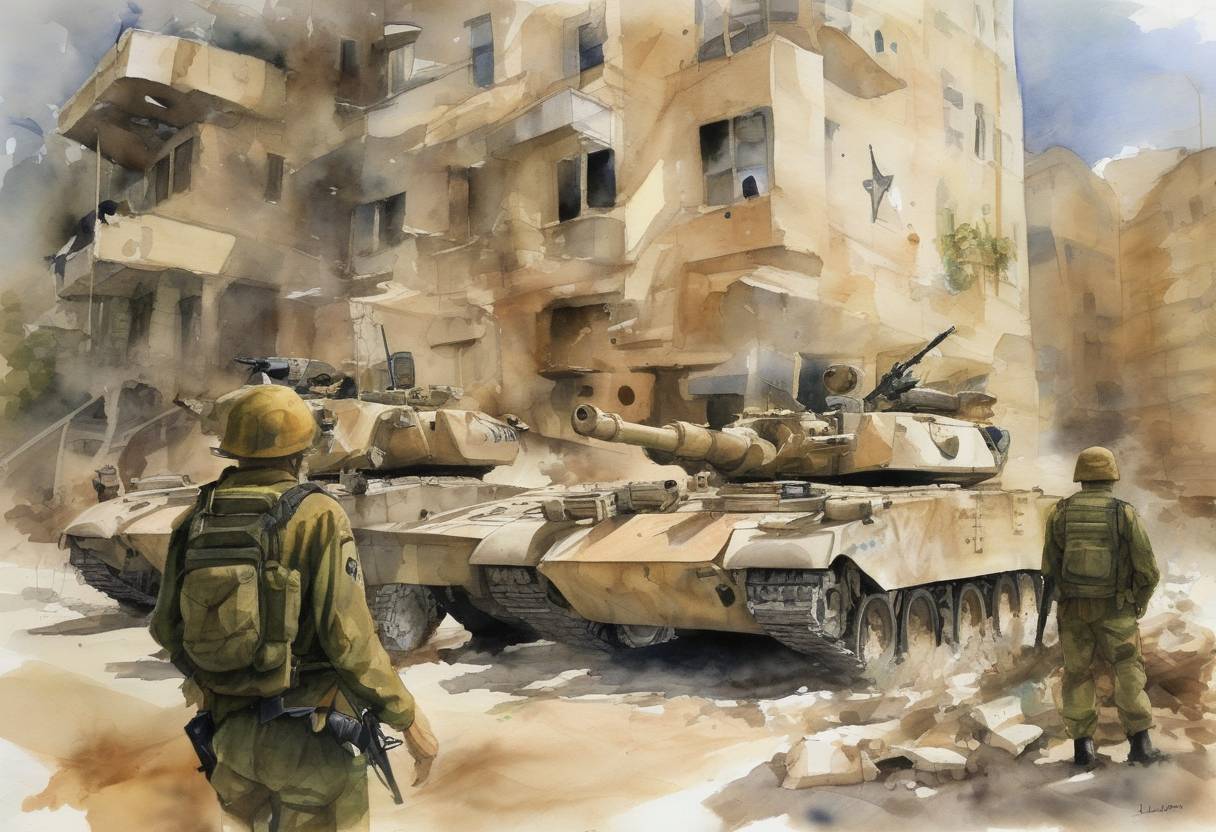
United Nations-Brokered Ceasefire: The End of the 2006 Lebanon War
On August 14, 2006, a United Nations-brokered ceasefire went into effect, bringing an end to the 34-day conflict between Israel and Hezbollah, known as the 2006 Lebanon War. This ceasefire was a significant moment in Middle Eastern geopolitics, marking the cessation of hostilities that had resulted in substantial casualties and widespread destruction.
Background
The conflict began on July 12, 2006, when Hezbollah militants launched a cross-border raid into Israel, capturing two Israeli soldiers and killing others. This act prompted a swift military response from Israel, which aimed to weaken Hezbollah’s military capabilities and secure the release of the captured soldiers. The ensuing conflict saw intense fighting, with Israel conducting airstrikes across Lebanon and Hezbollah launching rocket attacks into northern Israel.
Key Events Leading to the Ceasefire
Intensified Conflict: The war saw significant military engagements, with Israel targeting Hezbollah strongholds and infrastructure in Lebanon, while Hezbollah retaliated with rocket attacks on Israeli cities.
Humanitarian Impact: The conflict resulted in over a thousand Lebanese and around 160 Israeli deaths, with thousands more injured. It also led to the displacement of approximately one million Lebanese civilians and significant damage to Lebanon’s infrastructure.
International Diplomatic Efforts: As the conflict escalated, international pressure mounted for a ceasefire. The United Nations, along with key global players such as the United States and France, engaged in diplomatic efforts to broker peace.
The Ceasefire Agreement
The ceasefire was formalized through United Nations Security Council Resolution 1701, which called for:
- A full cessation of hostilities by both parties.
- The deployment of the Lebanese army and an expanded UN peacekeeping force (UNIFIL) in southern Lebanon to prevent further hostilities.
- The withdrawal of Israeli forces from southern Lebanon.
- The disarmament of Hezbollah, although this aspect remained contentious and largely unfulfilled.
Aftermath and Consequences
- Humanitarian and Reconstruction Efforts: Following the ceasefire, significant international aid was directed towards rebuilding Lebanon and addressing the humanitarian crisis caused by the war.
- Political Repercussions: The conflict and its resolution had lasting impacts on Lebanese and Israeli politics, influencing future military and diplomatic strategies.
- Regional Stability: While the ceasefire brought an end to active hostilities, tensions between Israel and Hezbollah persisted, with periodic flare-ups in the following years.
Broader Historical Significance
The 2006 Lebanon War and its resolution highlighted the complexities of Middle Eastern geopolitics, the challenges of asymmetric warfare, and the role of international diplomacy in conflict resolution. The ceasefire underscored the importance of multilateral efforts in achieving peace, even if temporarily, in a region marked by longstanding animosities.
The events of August 14, 2006, remain a pivotal moment in the history of the Middle East, reflecting both the potential for and the limitations of international intervention in regional conflicts.