Greece Rejects Italy's Ultimatum: October 28, 1940
1940 · Athens, Greece
Greece rejects Italy's ultimatum, leading to Italy's invasion of Greece and Greece's entry into World War II.
May 28, 1952
The women of Greece are granted the right to vote in national elections, marking a significant step in the country's progress towards gender equality.
Athens, Greece | Greek Government
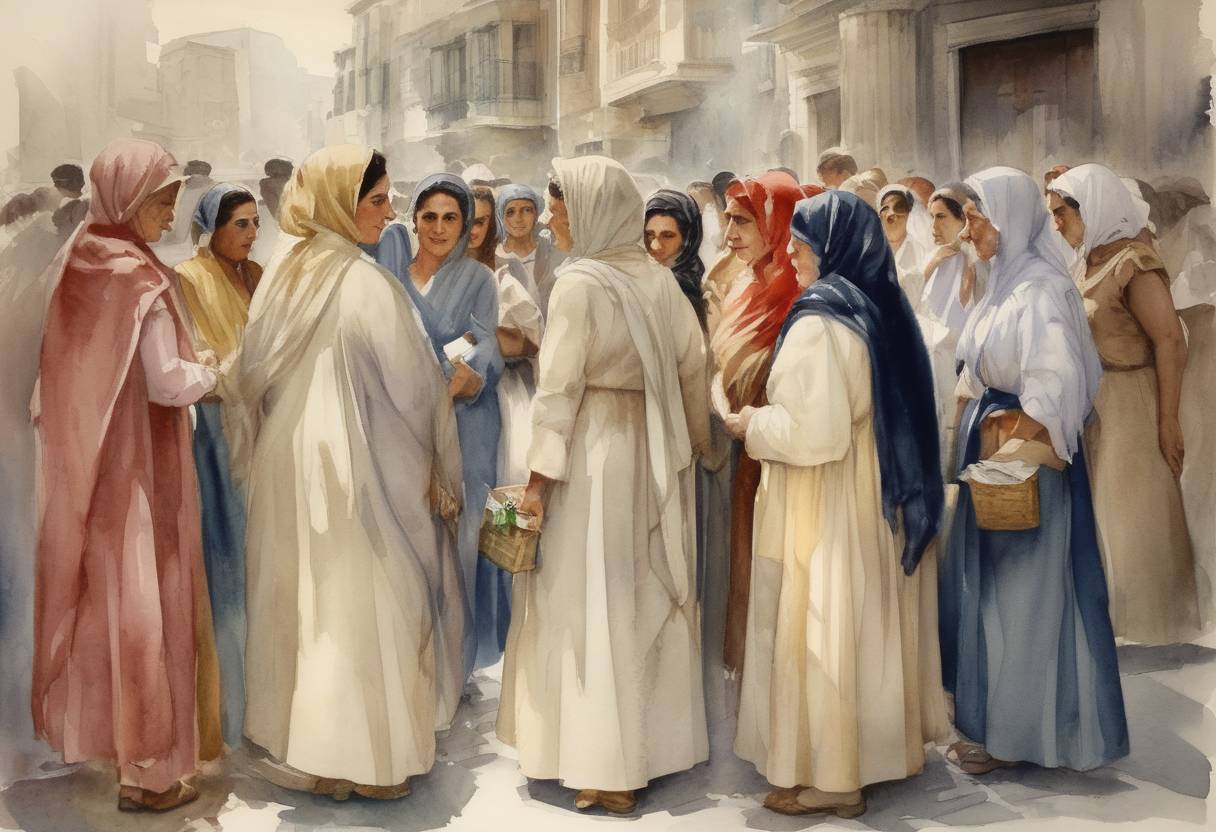
On May 28, 1952, a landmark event in the history of Greece and the broader movement for gender equality occurred: Greek women were granted the right to vote in national elections. This significant step marked a pivotal moment in the country’s progress towards gender equality and reflected broader global trends towards the enfranchisement of women.
The journey towards women’s suffrage in Greece was part of a larger wave of social and political changes occurring in the early to mid-20th century. After World War II, many countries began to reevaluate women’s roles in society, influenced by their contributions during the war and the growing international discourse on human rights.
In Greece, the struggle for women’s suffrage had been ongoing for several decades. The early 20th century saw the rise of women’s organizations advocating for equal rights, including the right to vote. However, progress was slow, and it wasn’t until after World War II that significant strides were made.
The enfranchisement of women in Greece was a crucial step towards gender equality, allowing women to participate fully in the democratic process. This change not only empowered Greek women but also aligned Greece with other European nations that had already extended voting rights to women.
The inclusion of women in the electoral process had several significant consequences:
The granting of voting rights to Greek women in 1952 was part of a global movement towards gender equality that gained momentum in the 20th century. It highlighted the interconnectedness of national and international efforts to promote human rights and set a precedent for further advancements in women’s rights in Greece and beyond.
In conclusion, the enfranchisement of women in Greece on May 28, 1952, was a milestone in the country’s history, marking a significant step towards gender equality and reflecting broader global trends in the fight for women’s rights.
Source: en.wikipedia.org