Dolly the Sheep: A Milestone in Genetic Science
1996 · Edinburgh, Scotland
Dolly the sheep, the first mammal to be cloned from an adult somatic cell, was born at the Roslin Institute in Scotland.
February 23, 1997
Scottish scientists announced that they had successfully cloned a sheep named Dolly, the first mammal to be cloned from an adult somatic cell.
Roslin, United Kingdom | Roslin Institute
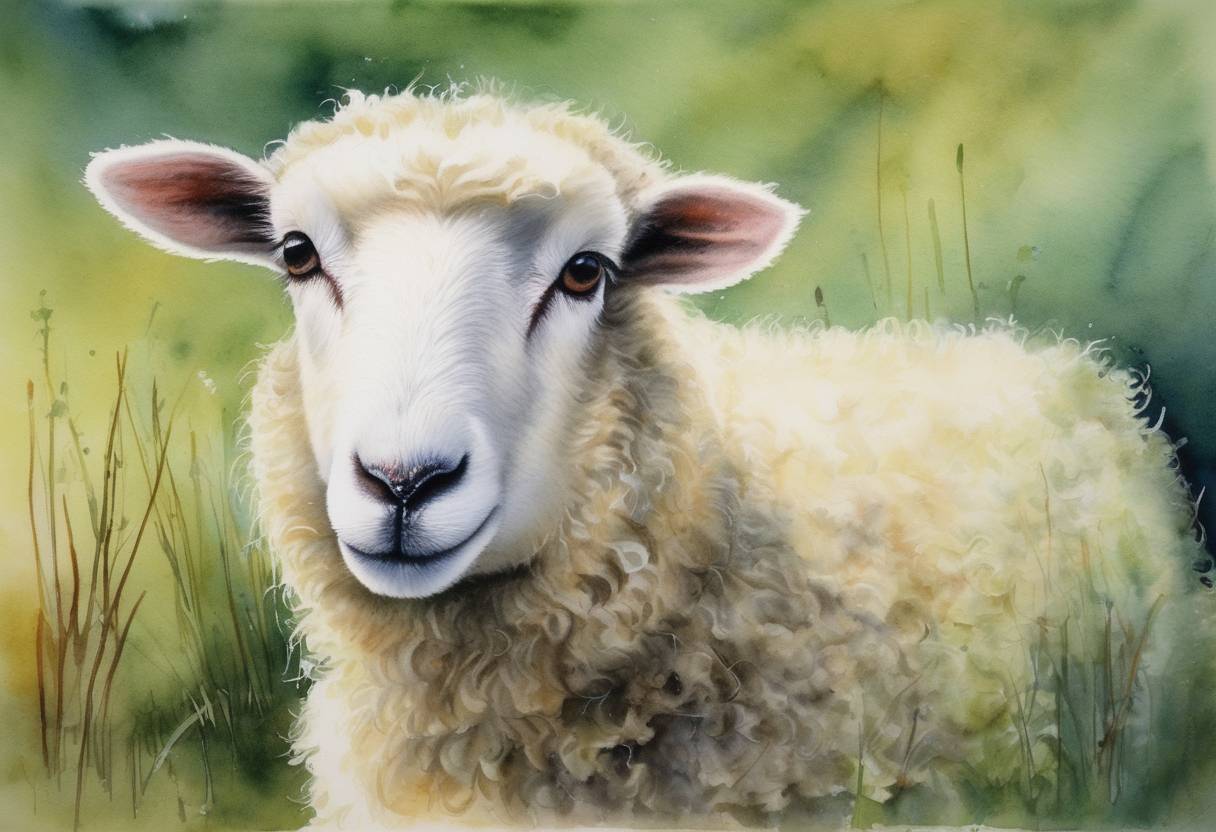
On February 23, 1997, a groundbreaking scientific announcement was made by a team of Scottish scientists from the Roslin Institute, near Edinburgh. They revealed the successful cloning of a mammal, a sheep named Dolly, using somatic cell nuclear transfer technology. This achievement marked the first time a mammal had been cloned from an adult somatic cell, as opposed to embryonic cells, opening a new chapter in genetic research and biotechnology.
The team, led by Ian Wilmut and Keith Campbell, implemented a process known as somatic cell nuclear transfer (SCNT). This involved transferring the nucleus of a mature somatic cell from a Finn Dorset sheep into an enucleated egg cell taken from a Scottish Blackface ewe. Following this, the hybrid cell was stimulated to develop into an embryo, which was then implanted in a surrogate mother, also a Scottish Blackface sheep. Dolly was born on July 5, 1996, after 277 attempts, but her existence was concealed until the official announcement in 1997.
The birth of Dolly proved that differentiated, mature cells could be used to recreate an entire organism, thereby challenging existing biological norms about cellular biology and development. This finding prompted widespread discourse on the potential implications for cloning technology in fields such as agriculture, medicine, and conservation.
The creation of Dolly spurred ethical debates about the role and extent of human intervention in natural processes. It raised complex moral questions concerning the manipulation of genetic material, animal rights, and the potential for human cloning. The debates initiated by Dolly’s creation have continued to this day, influencing both scientific policy and public perception of biotechnology.
Dolly lived a relatively normal life for a sheep, giving birth to several lambs. However, Dolly was euthanized on February 14, 2003, after developing progressive lung disease and severe arthritis. The conditions were not directly linked to her being a clone, but her early death raised questions about the long-term viability of cloned organisms.
The successful cloning of Dolly propelled advances in genetic engineering, spurring further research in cloning and stem cell technology. It laid the groundwork for numerous subsequent clones of various animal species and encouraged regulatory and ethical frameworks to adapt to evolving biotechnological capabilities.
Source: www.britannica.com