Zimbabwe Presidential Run-off Election on June 22, 2008
2008 · Harare, Zimbabwe
Zimbabwe holds a presidential run-off election between Robert Mugabe and Morgan Tsvangirai amidst widespread controversy and violence.
July 30, 2018
Zimbabwe holds its first general election since the resignation of Robert Mugabe, with Emmerson Mnangagwa winning the presidency amid allegations of electoral fraud.
Harare, Zimbabwe | Zimbabwe Electoral Commission
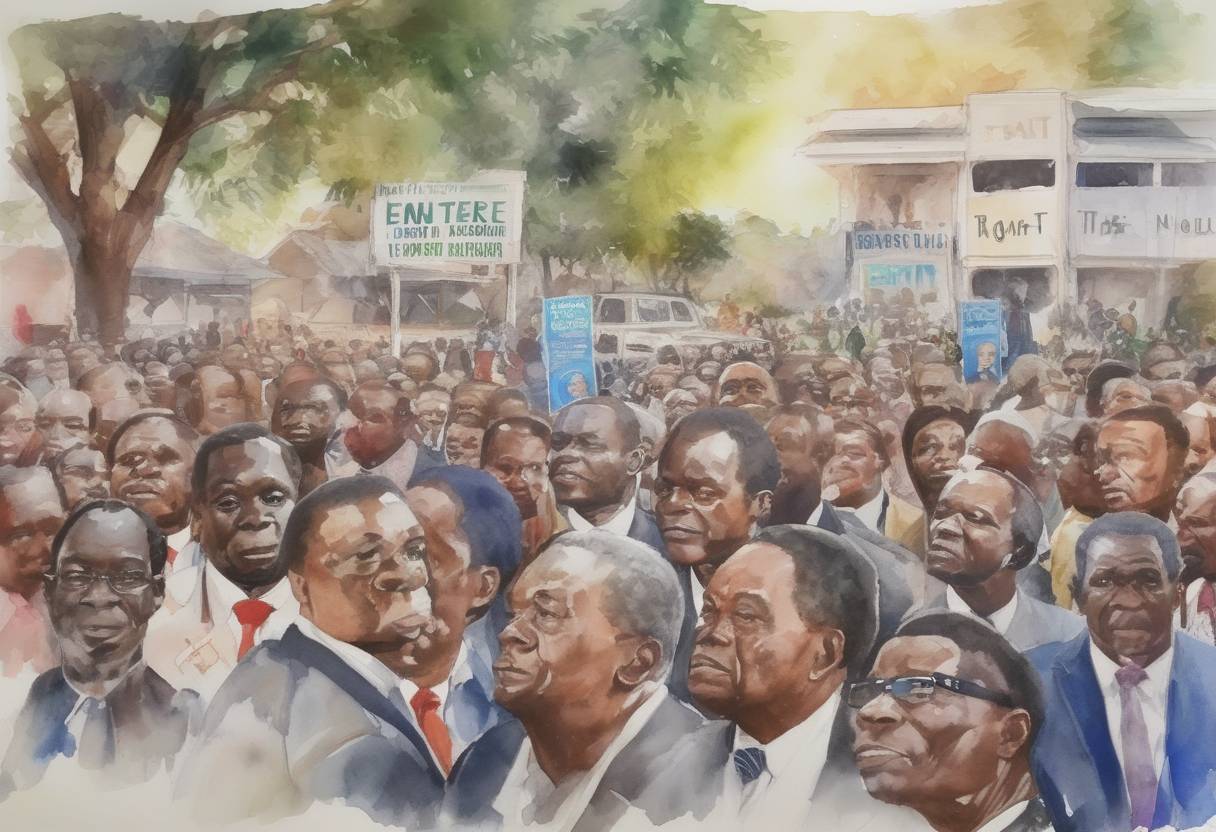
On July 30, 2018, Zimbabwe held its first general election since the resignation of long-time leader Robert Mugabe in November 2017. This election was a pivotal moment in Zimbabwe’s history, marking a potential shift from decades of Mugabe’s rule under the Zimbabwe African National Union-Patriotic Front (ZANU-PF).
Robert Mugabe’s Resignation: Mugabe, who had been in power since Zimbabwe’s independence in 1980, resigned following a military intervention and widespread public protests. His resignation ended a 37-year rule characterized by economic decline and allegations of human rights abuses.
Emmerson Mnangagwa’s Rise: Emmerson Mnangagwa, a former vice president and a key figure in ZANU-PF, assumed the presidency after Mugabe’s resignation. Mnangagwa promised economic reforms and a break from the past, which set the stage for the 2018 elections.
Candidates: The main contenders were Emmerson Mnangagwa of ZANU-PF and Nelson Chamisa of the Movement for Democratic Change Alliance (MDC Alliance). The election was seen as a test of Zimbabwe’s democratic processes and its ability to conduct free and fair elections.
Voter Turnout: The election saw a high voter turnout, with millions of Zimbabweans casting their votes in both presidential and parliamentary elections.
Results: Emmerson Mnangagwa was declared the winner with approximately 50.8% of the vote, narrowly avoiding a runoff. Nelson Chamisa received around 44.3%.
Controversy: The election was marred by allegations of electoral fraud and irregularities. The MDC Alliance claimed the results were manipulated, leading to tensions and protests.
Violence and Aftermath: Post-election violence erupted in Harare, resulting in the deaths of several protesters. The military’s response to the demonstrations drew international criticism.
International Observers: The election was closely watched by international observers, who noted improvements in the electoral process compared to previous elections but also highlighted significant shortcomings.
Zimbabwe’s Future: Mnangagwa’s victory was seen as an opportunity for Zimbabwe to embark on a path of economic recovery and political reform. However, the allegations of fraud and the subsequent violence raised concerns about the country’s democratic trajectory.
Legacy of Mugabe’s Rule: The 2018 election was a critical moment in moving beyond Mugabe’s legacy, but it also underscored the challenges Zimbabwe faced in establishing a truly democratic and transparent political system.
In conclusion, the 2018 general election was a landmark event in Zimbabwe’s history, representing both hope for change and the persistent challenges of achieving democratic governance.
Source: www.bbc.com