The Completion of Brexit: January 1, 2021
2021 · London, United Kingdom
The United Kingdom officially completed its transition out of the European Union, marking the end of the Brexit process.
June 24, 2016
The United Kingdom voted to leave the European Union in a referendum, an event commonly referred to as 'Brexit'.
London, United Kingdom | European Union
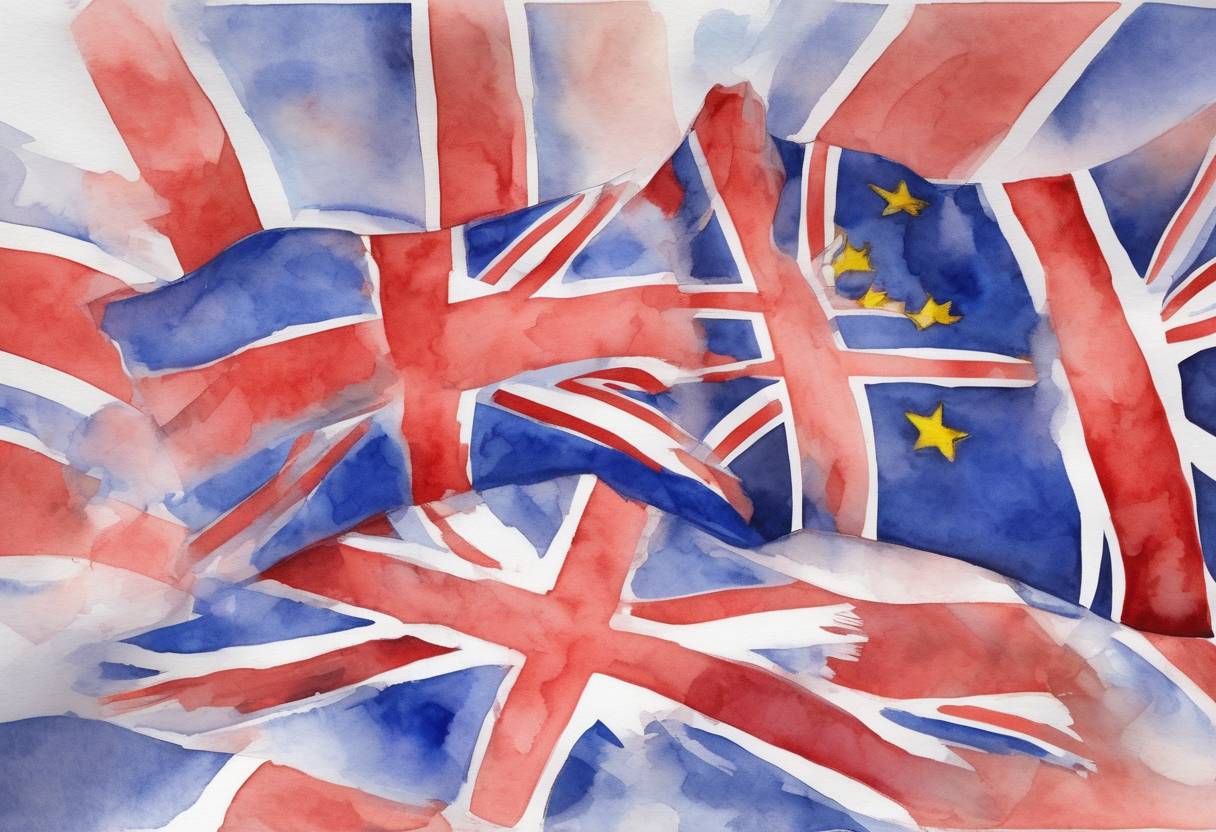
On June 24, 2016, the United Kingdom made a historic decision to leave the European Union, a process commonly referred to as “Brexit.” This decision was the result of a nationwide referendum held on June 23, 2016, where the British public voted on whether the UK should remain a member of the EU or leave.
The United Kingdom joined the European Economic Community (EEC), the precursor to the EU, in 1973. Over the decades, the relationship between the UK and the EU was often contentious, with debates over sovereignty, economic contributions, and regulatory control. These tensions culminated in the decision to hold a referendum, which was a key promise made by then-Prime Minister David Cameron during the 2015 general election campaign.
The result revealed a deeply divided nation, with significant regional variations. England and Wales predominantly voted to leave, while Scotland and Northern Ireland favored remaining in the EU.
Brexit marked a significant shift in the UK’s foreign and domestic policy. It raised questions about the future of the European Union, the unity of the United Kingdom, particularly regarding Scotland’s future, and the nature of global trade relationships. The process of negotiating the terms of the UK’s exit from the EU was complex and protracted, culminating in the UK officially leaving the EU on January 31, 2020.
Brexit continues to have profound implications for the UK, the EU, and international relations, influencing debates on sovereignty, globalization, and regional integration.
Source: www.bbc.com