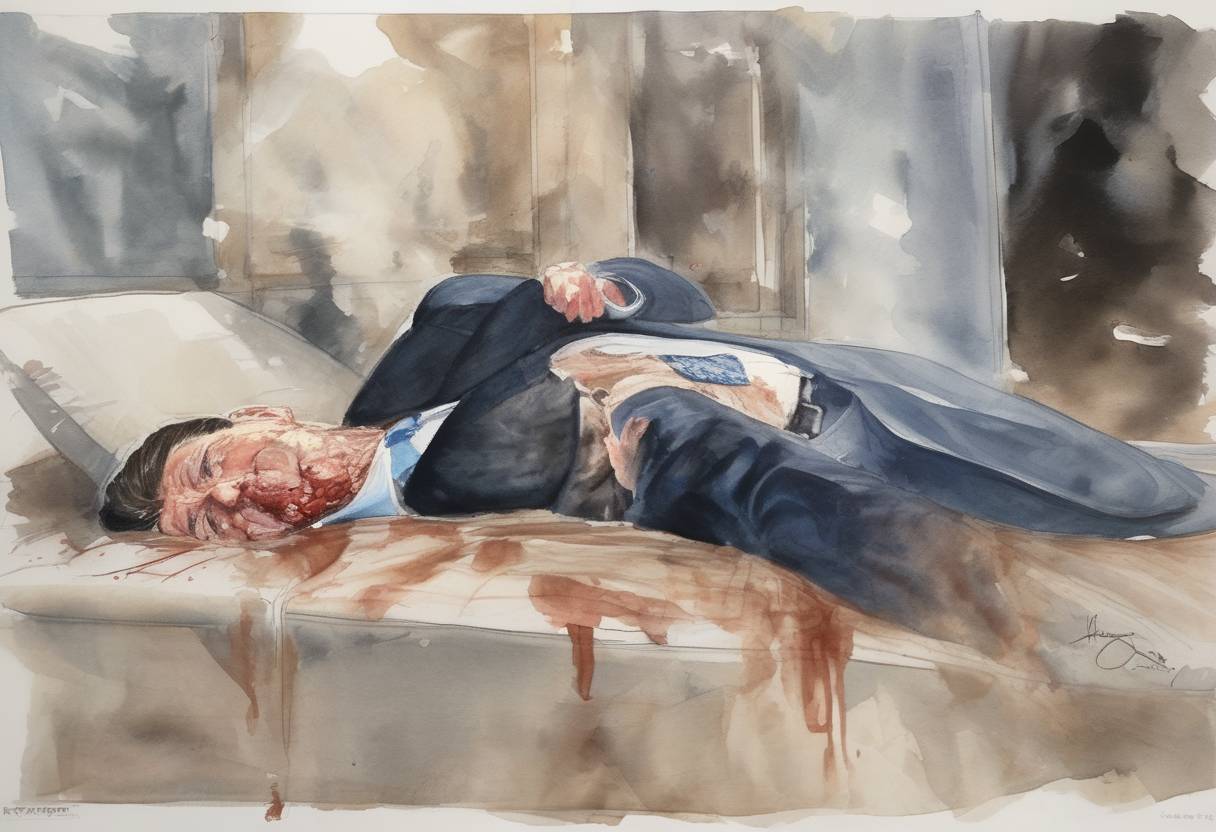
Assassination Attempt on Ronald Reagan - March 30, 1981
On March 30, 1981, U.S. President Ronald Reagan was the target of an assassination attempt by John Hinckley Jr. The incident occurred outside the Washington Hilton Hotel in Washington, D.C., shortly after Reagan had delivered a speech to the AFL-CIO.
Context and Background
- Ronald Reagan had been inaugurated as the 40th President of the United States just two months prior, on January 20, 1981. His presidency followed a successful career as an actor and Governor of California.
- John Hinckley Jr. was a troubled individual who had developed an obsession with actress Jodie Foster. Hinckley believed that by assassinating the President, he could gain her attention and affection.
The Event
- As President Reagan exited the hotel, Hinckley fired six shots from a .22 caliber revolver.
- The bullets struck four people:
- James Brady, the White House Press Secretary, was critically wounded with a shot to the head, resulting in permanent brain damage.
- Thomas Delahanty, a D.C. police officer, was shot in the neck.
- Tim McCarthy, a Secret Service agent, was shot in the abdomen while shielding the President.
- Ronald Reagan was hit by a bullet that ricocheted off the presidential limousine, striking him in the left lung and narrowly missing his heart.
- Reagan was rushed to George Washington University Hospital. Despite the severity of his injuries, he walked into the hospital under his own power, displaying remarkable composure.
- The President underwent surgery to remove the bullet and made a swift recovery, returning to the White House on April 11, 1981.
- James Brady’s injuries led to significant advocacy for gun control, culminating in the Brady Handgun Violence Prevention Act, signed into law in 1993.
Broader Historical Significance
- The assassination attempt highlighted the vulnerabilities in presidential security, leading to increased measures to protect U.S. leaders.
- Reagan’s survival and quick return to duty bolstered his public image, portraying him as resilient and strong.
- The incident also brought mental health issues to the forefront, as Hinckley was later found not guilty by reason of insanity, sparking debates over the insanity defense in the legal system.
Conclusion
The March 30, 1981, assassination attempt on Ronald Reagan was a pivotal moment in U.S. history, influencing presidential security protocols, gun control legislation, and public perceptions of mental health in the judicial process. Reagan’s recovery and continued leadership played a significant role in shaping his presidency and legacy.