Nobel Prize in Economics Awarded to Jean Tirole
2014 · Stockholm, Sweden
The Nobel Prize in Economics was awarded to French economist Jean Tirole for his analysis of market power and regulation.
July 16, 1661
The first banknotes in Europe are issued by the Bank of Stockholm.
Stockholm, Sweden | Bank of Stockholm
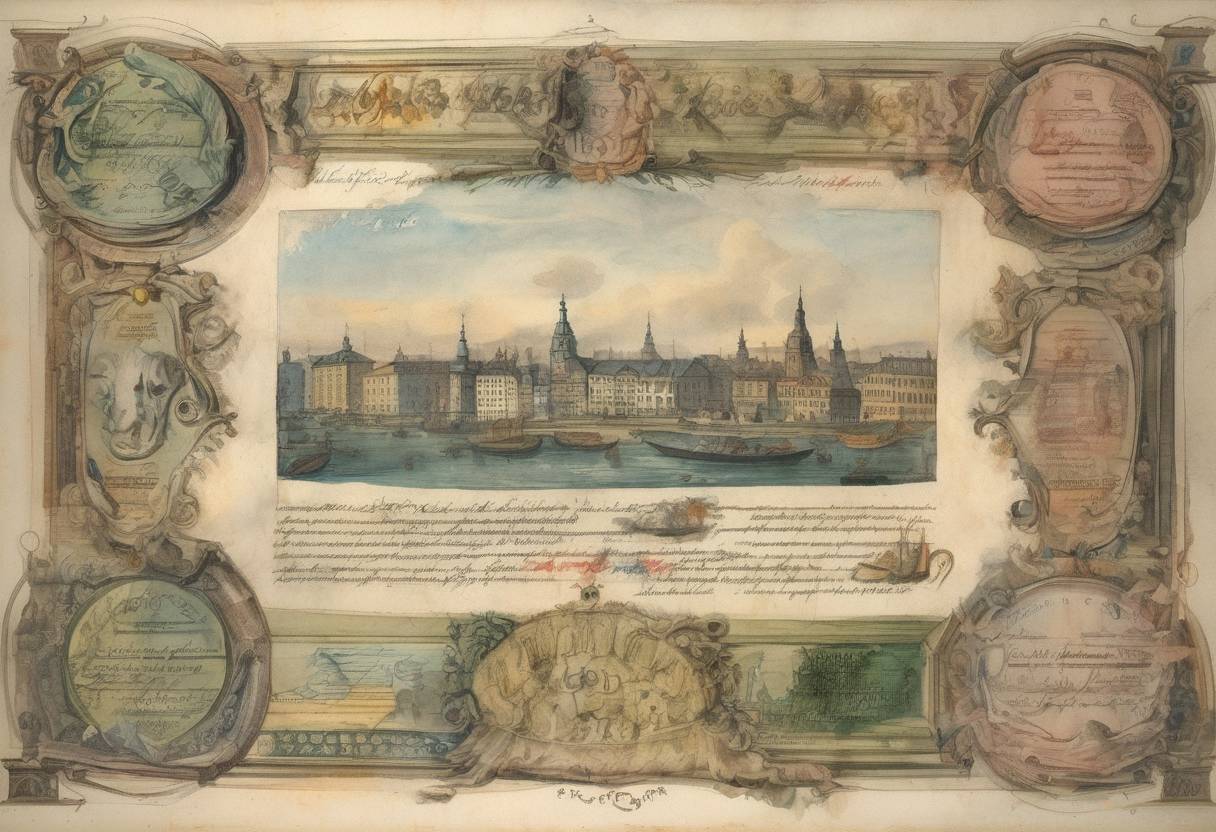
On July 16, 1661, a significant milestone in the history of European finance occurred with the issuance of the first banknotes by the Bank of Stockholm, known as Stockholms Banco. This event marked the beginning of a new era in monetary transactions, moving away from the exclusive use of metal coins.
Founding of Stockholms Banco: The Bank of Stockholm was founded in 1656 by Johan Palmstruch, a Dutch-born entrepreneur. The bank was established under the authority of the Swedish government and was the first chartered bank in Europe.
Economic Conditions: During the 17th century, Sweden, like much of Europe, faced a shortage of precious metals, which were traditionally used to mint coins. This scarcity often led to economic instability and limited the ability to conduct large transactions.
Innovative Solution: To address the shortage of coins and facilitate larger and more convenient transactions, Stockholms Banco introduced paper banknotes. These notes were essentially promissory notes, representing a promise by the bank to pay the bearer a certain amount of silver or copper coins upon demand.
Design and Usage: The banknotes issued by Stockholms Banco were handwritten and signed by bank officials. They were initially well-received as they provided a more practical means of conducting business, especially for merchants and traders.
Initial Success: The introduction of banknotes was initially successful, as it allowed for greater flexibility in the economy and reduced the reliance on metal coins.
Challenges and Collapse: However, the bank soon faced challenges. Over-issuance of banknotes without adequate reserves of precious metals led to inflation and a loss of confidence among the public. By 1668, Stockholms Banco collapsed, and its operations were taken over by the newly established Sveriges Riksbank, which is today the central bank of Sweden.
Legacy: Despite its short-lived success, the issuance of banknotes by Stockholms Banco set a precedent for modern banking practices. It demonstrated the potential of paper currency as a viable alternative to metal coins, influencing future banking systems across Europe and the world.
The introduction of banknotes by the Bank of Stockholm was a pioneering step in the evolution of modern financial systems. It highlighted the importance of trust and regulation in banking, lessons that continue to resonate in today’s global economy. The concept of paper money eventually spread across Europe and beyond, becoming a cornerstone of contemporary monetary policy and economic exchange.
Source: en.wikipedia.org