Declaration of COVID-19 as a Global Pandemic
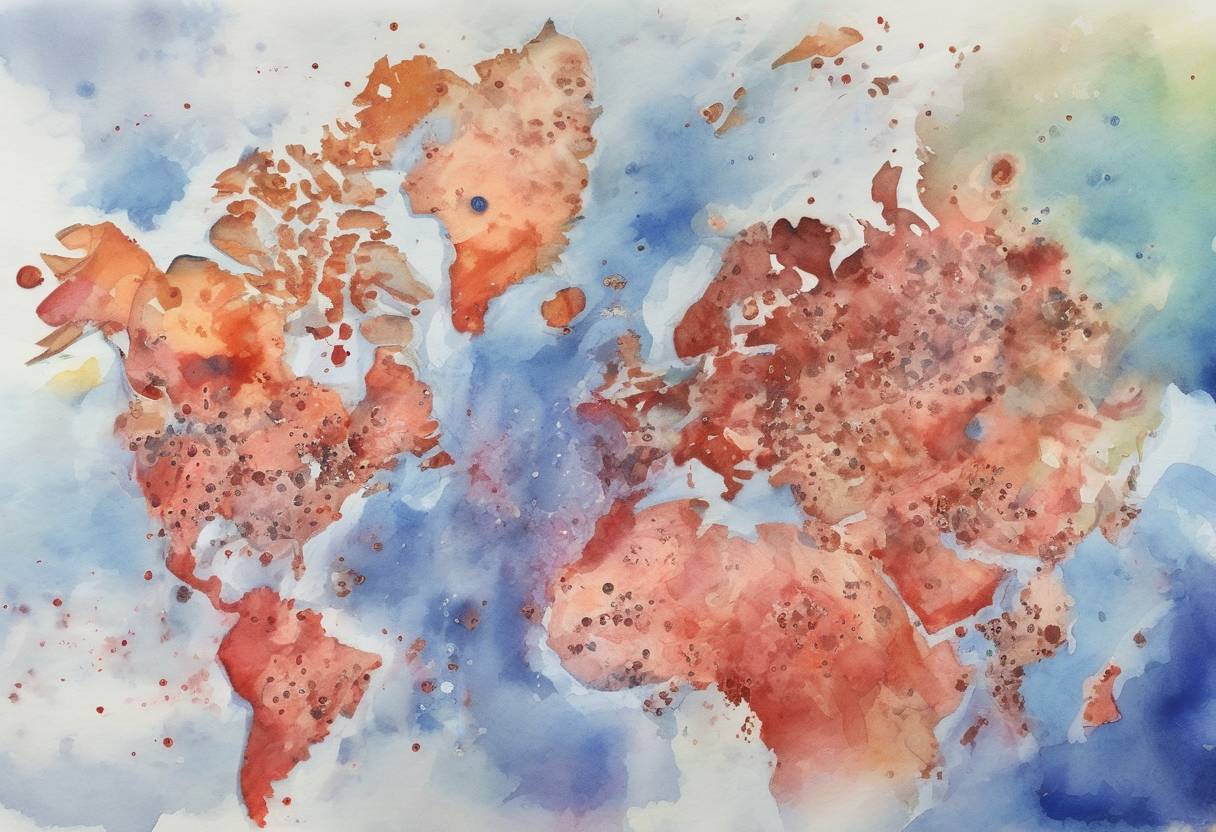
On March 11, 2020, the World Health Organization (WHO) officially declared the COVID-19 outbreak a global pandemic. This announcement marked a significant turning point in the global response to the novel coronavirus, which had rapidly spread across continents, affecting millions of lives and altering the course of daily activities worldwide.
Context and Lead-up to the Declaration
Initial Outbreak: The COVID-19 virus, caused by the SARS-CoV-2 virus, was first identified in Wuhan, China, in December 2019. Initial cases were linked to a seafood market, and the virus quickly spread within the city and beyond.
Global Spread: By early 2020, COVID-19 had spread to multiple countries, with significant outbreaks occurring in Italy, Iran, and South Korea. The virus’s rapid transmission was facilitated by global travel and interconnected economies.
Rising Concerns: As the virus spread, countries began reporting increasing numbers of cases and deaths. Health systems in several regions faced unprecedented challenges, and the need for a coordinated global response became evident.
The WHO’s Announcement
Criteria for Pandemic: A pandemic is declared when a new disease spreads across multiple countries and continents, affecting a large number of people. By March 11, 2020, COVID-19 had met these criteria, with over 118,000 cases in 114 countries and 4,291 deaths reported.
WHO’s Statement: Dr. Tedros Adhanom Ghebreyesus, the Director-General of the WHO, announced the pandemic status, emphasizing the need for countries to take urgent and aggressive action. He highlighted that the declaration was not meant to cause fear but to prompt governments to intensify their efforts in combating the virus.
Impacts and Consequences
Health Systems: The pandemic placed immense pressure on healthcare systems worldwide, leading to shortages of medical supplies, hospital beds, and healthcare workers. Countries implemented various measures, including lockdowns and social distancing, to curb the spread.
Economic Effects: The pandemic triggered a global economic downturn, with businesses closing, unemployment rates soaring, and international trade disrupted. Governments introduced stimulus packages to mitigate the economic impact.
Social Changes: The pandemic altered social norms, with remote work, virtual communication, and online education becoming commonplace. It also highlighted disparities in healthcare access and socioeconomic inequalities.
Broader Historical Significance
The declaration of COVID-19 as a global pandemic underscored the interconnected nature of modern societies and the vulnerabilities inherent in global health systems. It prompted unprecedented international collaboration in vaccine development and distribution, leading to the rapid creation and deployment of vaccines. The pandemic also sparked discussions on public health preparedness, the importance of scientific research, and the need for resilient healthcare infrastructures.
In summary, the WHO’s declaration on March 11, 2020, was a pivotal moment in the COVID-19 crisis, shaping the global response and highlighting the challenges and opportunities in managing a worldwide health emergency.