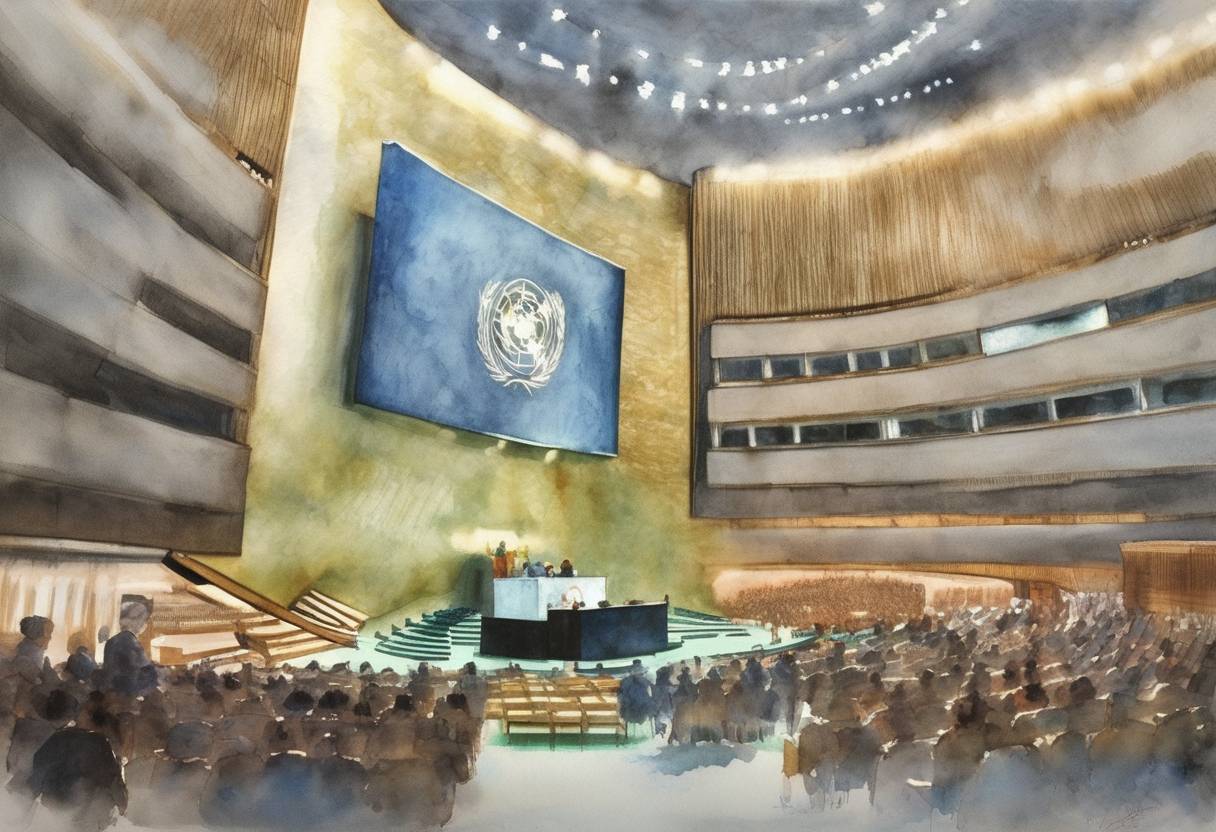
The United States Loses Its Seat on the UN Human Rights Commission (May 3, 2001)
On May 3, 2001, the United States experienced a significant diplomatic setback when it lost its seat on the United Nations Human Rights Commission (UNHRC) for the first time since the commission’s inception in 1947. This event marked a pivotal moment in international relations and U.S. foreign policy.
Background
The UNHRC, established in 1947, was one of the principal bodies within the United Nations tasked with promoting and protecting human rights globally. The commission was composed of member states elected by the UN Economic and Social Council (ECOSOC), and it played a crucial role in addressing human rights violations and setting international human rights standards.
The United States had been a continuous member of the commission since its formation, often playing a leading role in shaping its agenda and policies. However, by the late 1990s and early 2000s, the U.S. faced increasing criticism from various international actors regarding its human rights record and its approach to international diplomacy.
The 2001 Election
In the 2001 election for the commission, the United States was one of four candidates vying for three seats allocated to Western countries. The other candidates were France, Austria, and Sweden. In a surprising outcome, the U.S. failed to secure enough votes, losing its seat to the other three nations.
Several factors contributed to this outcome:
Diplomatic Tensions: The U.S. had strained relations with several countries over its foreign policy decisions, including its stance on the Israeli-Palestinian conflict and its opposition to international treaties like the Kyoto Protocol on climate change.
Perceived Unilateralism: There was a growing perception that the U.S. was acting unilaterally in international affairs, which alienated some of its traditional allies and partners.
Human Rights Criticisms: The U.S. faced criticism for its own human rights practices, including issues related to the death penalty and racial discrimination, which may have influenced the voting.
Aftermath and Consequences
The loss of the seat was seen as a diplomatic embarrassment for the United States and prompted significant introspection within the U.S. government regarding its approach to international human rights and diplomacy. It also highlighted the importance of multilateral engagement and the need for the U.S. to rebuild alliances and address criticisms of its human rights record.
In response, the U.S. government, under President George W. Bush, worked to regain its seat on the commission, which it successfully did in 2002. The event underscored the complexities of international diplomacy and the importance of maintaining strong relationships with other nations in multilateral institutions.
Broader Historical Significance
The 2001 loss of the UNHRC seat served as a reminder of the interconnectedness of global politics and the impact of domestic policies on international standing. It highlighted the challenges faced by powerful nations in balancing national interests with global responsibilities and the importance of collaboration in addressing global human rights issues.
Overall, this event remains a significant moment in the history of U.S. involvement in international human rights advocacy and continues to influence discussions on the role of the United States in global governance.