Transition from British Broadcasting Company to British Broadcasting Corporation
1927 · London, United Kingdom
The British Broadcasting Company became the British Broadcasting Corporation (BBC), a public corporation.
July 1, 1967
The BBC broadcasts its first color television transmission, marking a significant advancement in broadcasting technology.
London, United Kingdom | BBC
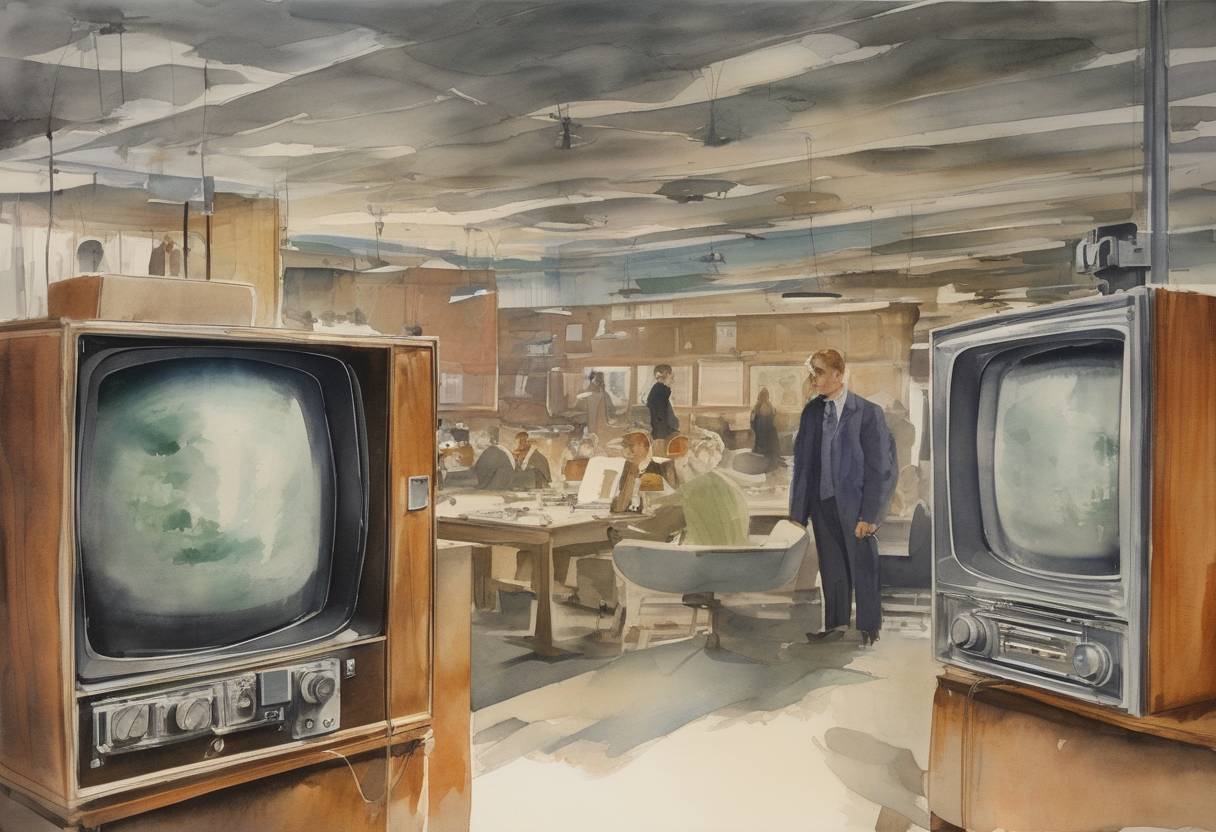
On July 1, 1967, the British Broadcasting Corporation (BBC) made a significant leap in broadcasting technology by airing its first color television transmission. This event marked a pivotal moment in the history of television, not only in the United Kingdom but also globally, as it showcased the potential of color broadcasting and set a new standard for television production and viewing.
Television Evolution: Prior to the introduction of color, television broadcasts were exclusively in black and white. The transition to color was a complex process that required advancements in both broadcasting technology and television sets capable of displaying color images.
Technological Developments: The development of color television had been in progress for several years. The BBC had been experimenting with color broadcasts since the early 1950s, but it wasn’t until the mid-1960s that the technology became viable for regular programming.
International Influence: The United States had already begun color broadcasts in the 1950s, with the National Broadcasting Company (NBC) leading the way. The BBC’s move to color was partly influenced by these developments and the growing demand for color programming.
Wimbledon Championships: The first official color broadcast by the BBC was the coverage of the Wimbledon Championships, a prestigious tennis tournament. This choice was strategic, as the event’s popularity ensured a wide audience and showcased the vibrant possibilities of color television.
BBC Two: The broadcast was aired on BBC Two, which had been launched in 1964 as a channel dedicated to more experimental and diverse programming. BBC Two was the first channel in Europe to broadcast in color.
Viewer Experience: The introduction of color television significantly enhanced the viewer experience, making programs more engaging and visually appealing. It allowed audiences to see events and shows in a more lifelike manner.
Industry Changes: The shift to color required broadcasters to invest in new equipment and training for staff. It also prompted television manufacturers to produce color TV sets, which gradually became more affordable and widespread.
Cultural Influence: Color television had a profound impact on popular culture, influencing everything from fashion to advertising. It also changed the way stories were told on screen, with directors and producers taking advantage of the new medium to create more visually dynamic content.
Gradual Rollout: While the first color broadcast was a landmark event, the transition to full color broadcasting was gradual. It wasn’t until the early 1970s that color television became the norm in the UK.
Global Trend: The success of the BBC’s color broadcasts contributed to a global trend towards color television, with many other countries following suit in the subsequent years.
In summary, the BBC’s first color television broadcast on July 1, 1967, was a transformative moment in broadcasting history. It not only enhanced the viewing experience but also set the stage for future technological advancements in the television industry.
Source: en.wikipedia.org