The 2004 Summer Olympics in Athens
2004 · Athens, Greece
The Summer Olympics officially opened in Athens, Greece, marking the return of the Games to their birthplace after 108 years.
February 8, 2002
The XIX Olympic Winter Games opened in Salt Lake City, Utah, United States, marking the first Winter Olympics held in the United States since 1980.
Salt Lake City, United States | International Olympic Committee
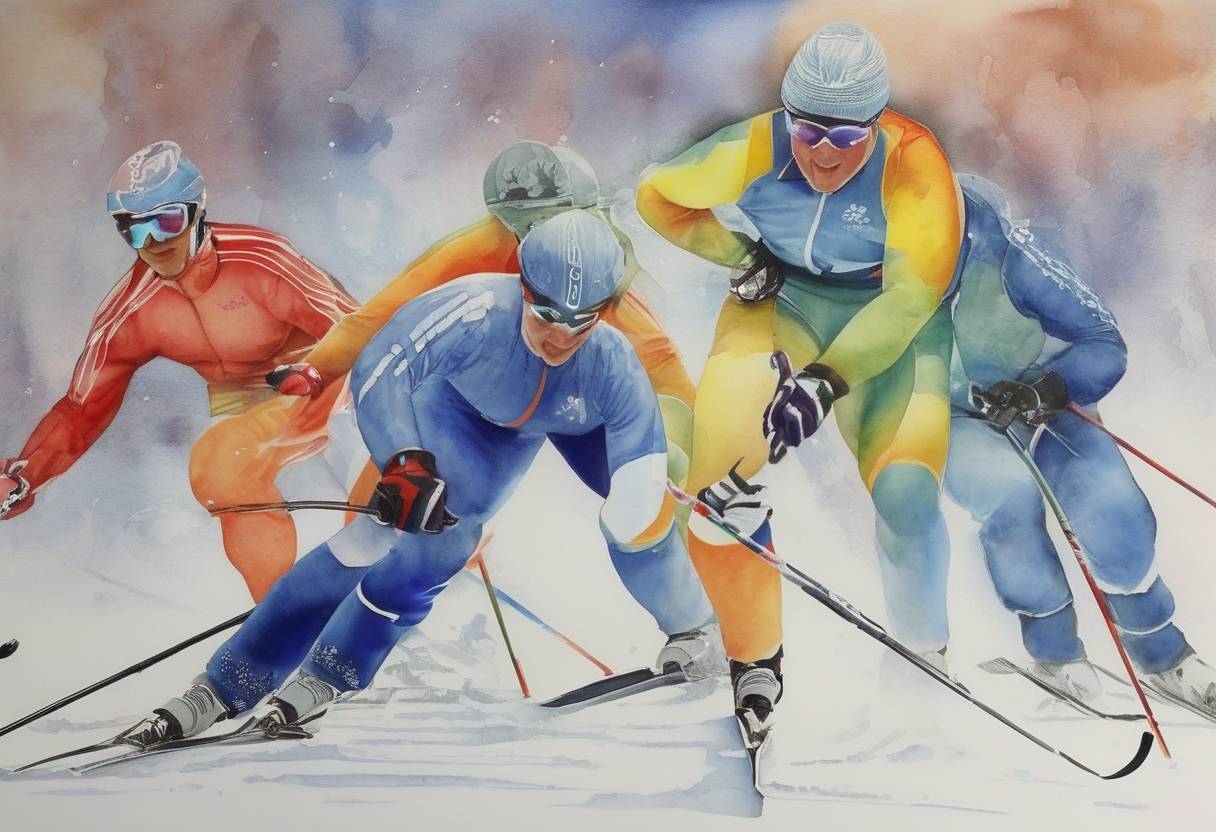
The XIX Olympic Winter Games officially opened on February 8, 2002, in Salt Lake City, Utah, marking a significant moment in Olympic history as the first Winter Olympics held in the United States since the 1980 Games in Lake Placid, New York. This event was notable not only for its athletic achievements but also for its context and the challenges it faced.
Selection and Preparation: Salt Lake City was awarded the Games in 1995, beating out other contenders such as Sion, Switzerland, and Östersund, Sweden. The city had previously bid unsuccessfully for the 1972, 1992, and 1998 Games. The preparation for the 2002 Olympics was extensive, involving significant infrastructure development and investment to accommodate athletes, officials, and spectators.
Scandal and Reform: The lead-up to the Games was marred by a bribery scandal involving members of the International Olympic Committee (IOC) and the Salt Lake Organizing Committee. This scandal led to significant reforms within the IOC, including stricter ethical guidelines and transparency measures.
Post-9⁄11 Security Concerns: The Games took place just months after the September 11, 2001, terrorist attacks in the United States, leading to heightened security measures. It was one of the most secure Olympic Games in history, with extensive collaboration between local, state, and federal agencies.
Theme and Highlights: The opening ceremony celebrated the cultural heritage and natural beauty of Utah and the American West. It featured performances by renowned artists and a parade of nations with athletes from 77 countries.
Symbolic Moments: A poignant moment was the entrance of the American flag that had flown at Ground Zero in New York City, symbolizing resilience and unity. The lighting of the Olympic cauldron was performed by the 1980 U.S. men’s ice hockey team, known for their “Miracle on Ice” victory.
Record Participation: The 2002 Winter Olympics saw a record number of athletes, with over 2,300 competitors participating in 78 events across 15 disciplines.
Notable Achievements:
Economic Impact: The Games had a lasting economic impact on Salt Lake City and the surrounding region, boosting tourism and infrastructure development.
Sporting Legacy: The 2002 Winter Olympics helped popularize winter sports in the United States and inspired a new generation of athletes.
Cultural Significance: The Games were seen as a unifying event during a time of national healing and reflection following the events of September 11.
The Salt Lake City Winter Olympics are remembered for their successful execution amidst challenges, their celebration of athletic excellence, and their role in fostering international goodwill.
Source: www.olympic.org